
Uku-oda utshani bokwenziwa benkundla yekhilikithi akufani noku-oda ibhola noma ithenisi. Umugqa womdlalo we-ICC uwu-20.12 m nje × 3.05 m — kuphela 61 m². Kodwa isikhungo sokuzilolonga esinemizila engu-6? Leyo 436 m². Inkundla yekhilikithi yebhokisi? 500 m². Umdlalo ofanayo, a 700% umehluko ngenani lohlelo.
Abathengi abaningi bakuthola kungalungile lokhu. Bayasesha “usayizi wekhilikithi,” thola amayadi angama-22 × 10 izinyawo, oda umqulu owodwa, futhi uthole ukuthi ihlanganisa kuphela umucu ophakathi nendawo — kungekho lutho olusele lokugijima, izindlela zokuzijwayeza, noma izimpawu ze-crease.
Lo mhlahlandlela ukunika ngqo m², roll count, i-sand tonnage, kanye nezindleko ze-FOB zalo lonke uhlobo lwephrojekthi yekhilikithi. Sebenzisa umshini wokubala izinombolo ezisheshayo, noma qhubeka ufunda ukuze uthole incazelo egcwele ngohlobo lwephrojekthi.
Okwezakhiwo ezingajwayelekile, -kwethu utshani bokwenziwa bekhilikithi ochwepheshe bazolungisa isilinganiso sangokwezifiso ngaphakathi 24 amahora.
Sebenzisa isibali esingezansi ukuze uthole amanani aqondile ohlobo lwephrojekthi yakho yekhilikithi.
🏏 I-Cricket Pitch Grass Calculator
Bala strip, umzila & ubuningi bebhokisi — imiqulu & Izindleko ze-FOB
Ini "I-Cricket Pitch" Izindlela ze-oda lakho
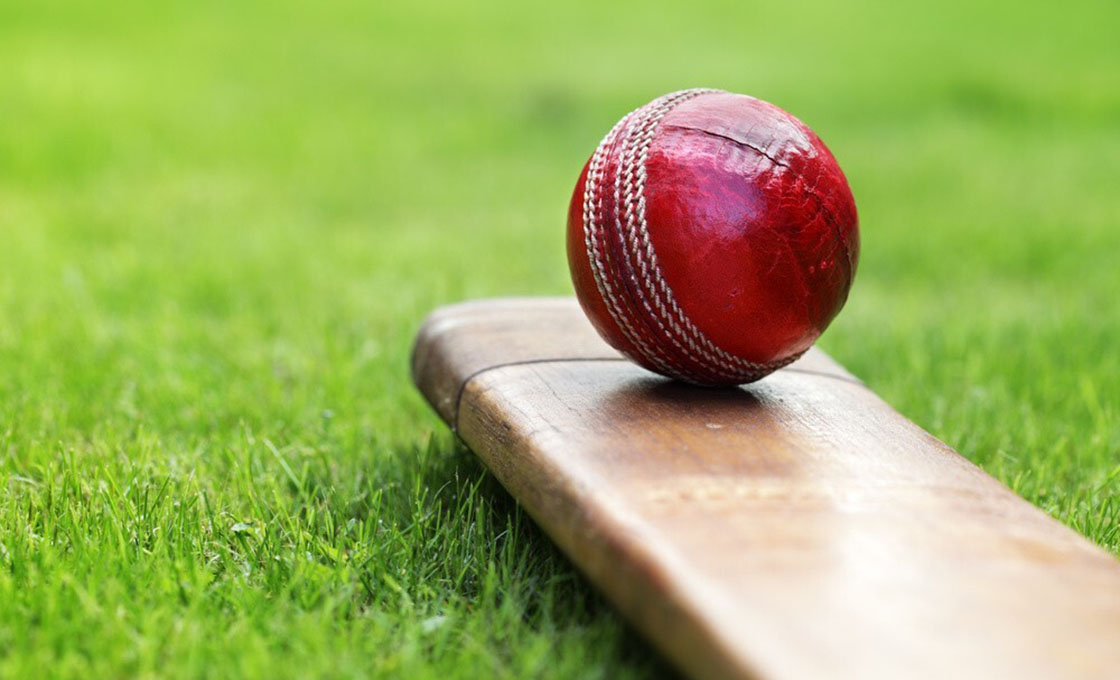
Umthombo owodwa omkhulu wokudideka ku-oda lotshani bokwenziwa bekhilikithi ububanzi. Lapho umthengi ethi "Ngidinga inkundla yekhilikithi," umphakeli ngeke azi ukuthi lokho kusho ukuthi a 32 m² isiqephu sesikole noma a 10,000 m² ngaphandle. Izingcaphuno ezimbili zihluka ngaphezu kuka-300×, futhi ukuqagela okungalungile kumosha amasonto okukhiqiza nesikhathi sokuthumela.
Ngaphambi kokucela inani, kufanele uphine kahle ukuthi yiluphi uhlobo lwe-scope emihlanu olusebenzayo. Ngamunye ushayela inani elihluke ngokuphelele, ukuphakama kwenqwaba, gcwalisa umthwalo, nendlela yokuthumela. Yingakho futhi sakhe umshini wokubala ngenhla — igatsha ngokuzenzakalelayo ngokusekelwe ohlotsheni lwephrojekthi yakho.
A "inkundla yekhilikithi" lingasho izinto ezinhlanu ezihluke kakhulu:
- Isiqephu somdlalo (22 amayadi × 10 izinyawo) — indawo yokudlala emaphakathi encane lapho ibhola liphonswa khona futhi liyabhampisa.
- Umugqa wokuzijwayeza ongewona we-turf (ezincane, ezezikole namakilabhu) — i-strip yokwenziwa yokuqeqeshwa enezindleko ezincishisiwe.
- Prakthiza imizila enetha (imichilo eminingi ehambisanayo yokuqeqeshwa) — i-oda le-B2B elivame kakhulu lamakilabhu.
- Ikhilikithi yebhokisi / indawo yasendlini (yonke indawo yokudlala evaliwe) — ingxenye ekhula ngokushesha eNingizimu Asia.
- Inkundla yangaphandle ephelele (insimu yonke inokhaphethi) — akuvamile kakhulu futhi kuyabiza utshani bokwenziwa.
| Uhlobo lwephrojekthi | Indawo Ejwayelekile | Oda Qty (+10%) | Ububanzi bezindleko ze-FOB |
|---|---|---|---|
| I-Match Pitch Strip | 61 m² | 67 m² | $810 – $2,363 |
| Prakthiza Strip (I-Non-Turf) | 32 m² | 36 m² | $427 – $1,246 |
| Net Lanes (4-umzila) | 264 m² | 290 m² | $3,480 – $10,150 |
| Ikhilikithi yebhokisi / Ngasendlini | 400 – 600 m² | 440 – 660 m² | $5,280 – $23,100 |
| Inkundla Egcwele (okungajwayelekile) | 10,000+ m² | 11,000+ m² | $132,000+ |
I-ICC Match Pitch Strip: 22 Amayadi Okunemba
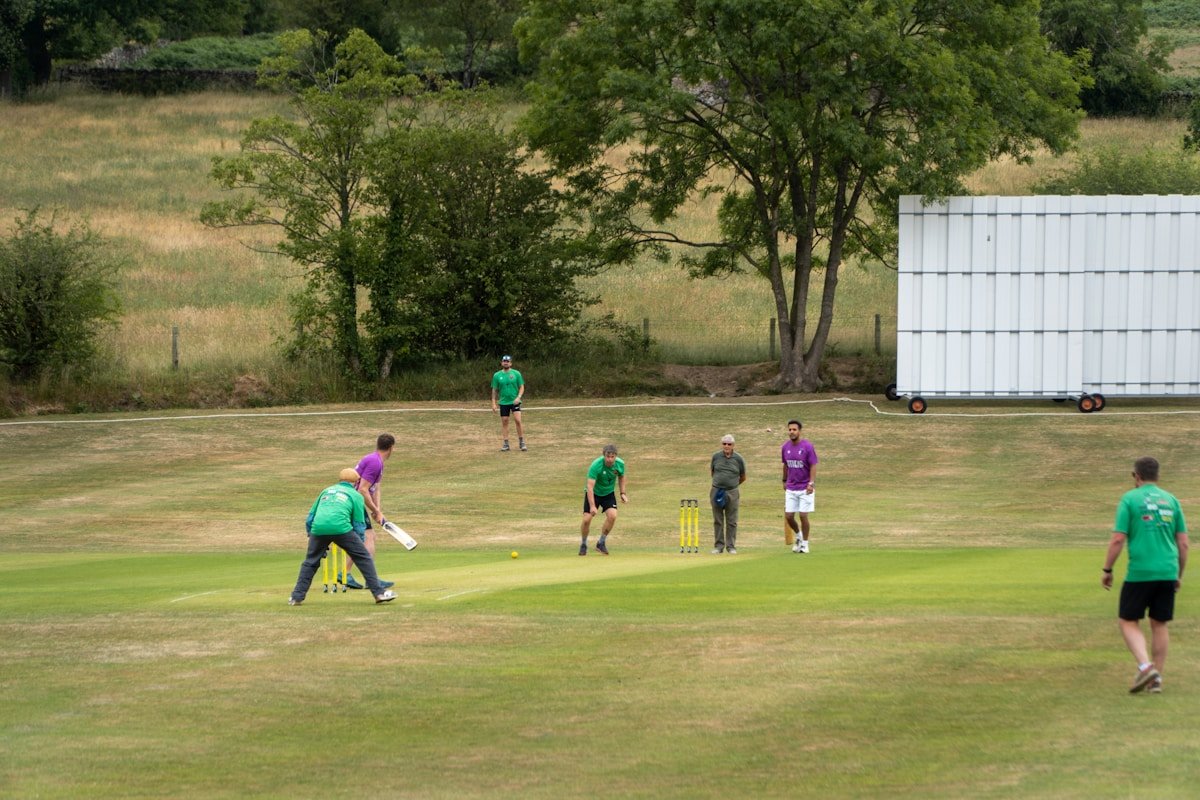
Ngaphansi kwe- Imithetho yekhilikithi ye-MCC, iphimbo lichazwa ngokuthi 22 amayadi (20.12m) isikhathi eside futhi 10 izinyawo (3.05m) -banzi. Lokho kusebenza nje 61.37 m² — indawo encane ngokumangazayo edinga ukubekezelelwa okunzima kakhulu kokukhiqiza kuyo yonke imboni yezemidlalo.
Lo mugqa omaphakathi yiwo kuphela indawo edinga ngempela utshani obukhethekile bebanga lekhilikithi. Ingaphezulu kufanele lilethe ukugxuma kwebhola okungaguquki ngobude balo obugcwele, ngoba ukugxuma okungaguquki kuthinta ngqo ukusebenza kwe-batting ne-bowling. Okuminyene, ukhaphethi onenqwaba ephansi (ngokuvamile 8mm) igcina ijubane lebhola libonakala lingaphandle.
Ubude: 22 amayadi = 20.12 m
Ububanzi: 10 izinyawo = 3.05 m
Indawo engaphezulu: 61.37 m²
Okuncane okungeyona i-turf (I-ECB/MCC): 17.68m × 1.83m = 32.4 m²
Ubude benqwaba obunconyiwe: 8 mm
Kufaka phakathi ama-crease marking: ukuphuma kwe-crease, i-bowling crease, i-return crease (I-ICC-spec emhlophe)
I-non-turf (zokwenziwa) ubuncane bokujwayela ngokwemihlahlandlela ye-ECB/MCC buncane: 17.68m × 1.83m = 32.4 m². Lokhu kuncishiswa kwezinyawo yilokho oku-oda izikole eziningi namakilabhu endawo, ngoba iletha umkhuba wangempela wokuzizwa ngenani elincane lezindleko ezigcwele.
Wonke umucu womdlalo kufanele futhi uhlanganise isethi egcwele yezimpawu zokunqamuka — i-popping crease, i-bowling crease, kanye ne-return crease. Lezi zingakhelwa ngaphambili kukhaphethi ngesikhathi sokukhiqiza noma zipendwe esizeni ukuya ekucacisweni kwe-ICC ngombala omhlophe.
Prakthiza Net Lanes: I-oda elijwayelekile le-B2B
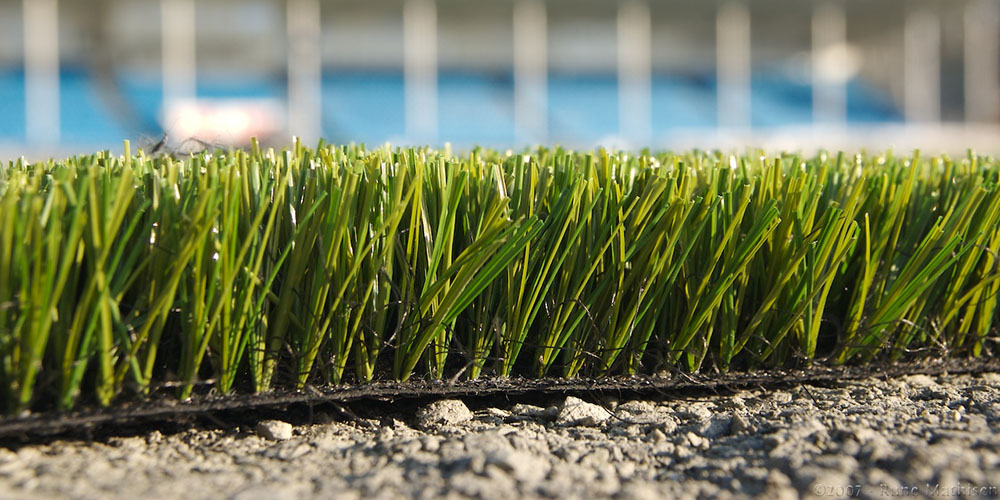
Uma uhlinzeka ngezinsiza zekhilikithi, prakthiza imizila inetha isinkwa sakho nebhotela. Amakilabhu amaningi, izikhungo zemfundo ephakeme, futhi izikole aziwudingi nhlobo umugqa womentshisi — badinga indawo yokuqeqesha enemizila eminingi lapho abadlali abambalwa bengakwazi ukushaya nokuphosa kanyekanye ngemuva kwamanethi. Lona uhlelo lokuhweba oluvame kakhulu emakethe yotshani bokwenziwa yekhilikithi.
Umzila ojwayelekile wokuzijwayeza ungama-22m ubude × 3m ububanzi = 66 m² ngomzila. Imizila ibekwe ngokuhambisana, ehlukaniswe inethi, okusho ukuthi amaroli angasetshenziswa ngobude ukuze asetshenziswe ngempumelelo. Ukusetshenziswa kokufakwa okujwayelekile 2, 3, 4, noma 6 imizila kuye ngesikhala esikhona kanye nesabelomali.
| Lane Count | Indawo engaphezulu | Oda Qty (+10%) | Ukugoqa (4m×25m) | Ububanzi bezindleko ze-FOB |
|---|---|---|---|---|
| 1 Umzila | 66 m² | 73 m² | 1 | $876 – $2,555 |
| 2 Imizila | 132 m² | 145 m² | 2 | $1,740 – $5,075 |
| 3 Imizila | 198 m² | 218 m² | 3 | $2,616 – $7,630 |
| 4 Imizila | 264 m² | 290 m² | 3 | $3,480 – $10,150 |
| 6 Imizila | 396 m² | 436 m² | 5 | $5,232 – $15,260 |
Izindawo zokuzilolonga azidingi inqwaba yebanga lokufanisa engu-8mm. Ubude benqwaba engu-12mm yizinga lemboni lemizila — inikeza i-cushioning eyengeziwe ukuze isetshenziswe ngokuphindaphindiwe, iyakwamukela ukugcwaliswa kwesihlabathi kahle, futhi kubiza kancane nge-m² kunokhaphethi ocinene womentshisi.
I-Box Cricket Quantities: impi, Ukugoqa & Isihlabathi Sezinkantolo Ezivaliwe
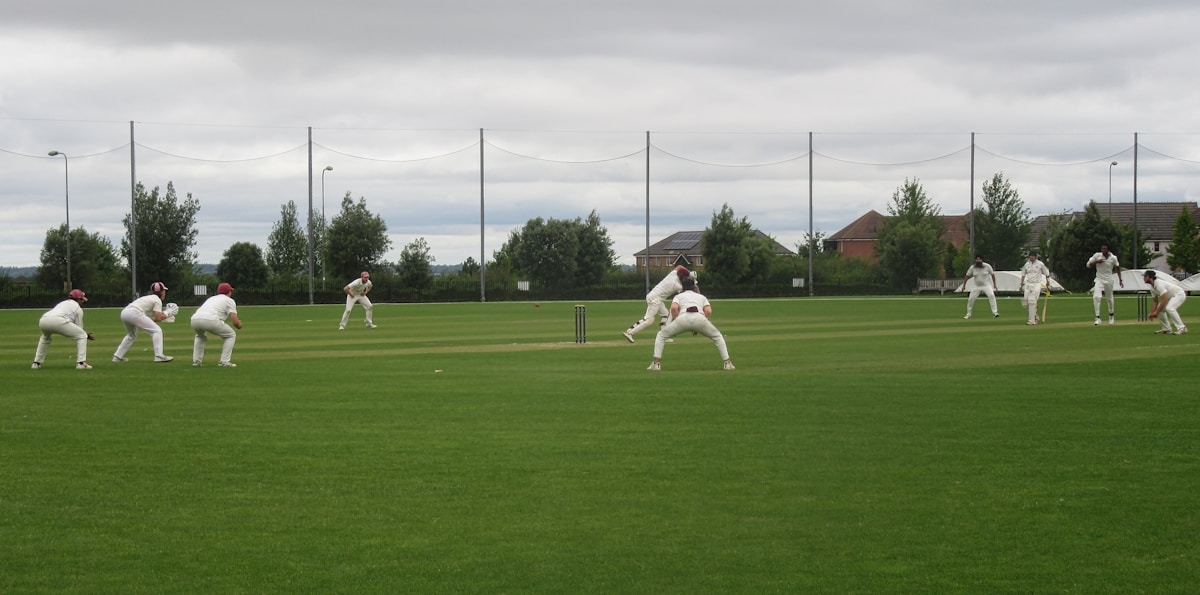
Ikhilikithi yebhokisi — izinkantolo ezivalekile lapho yonke iphansi inokhaphethi — idinga i-oda lotshani lokwenziwa elikhulu kunawo wonke lanoma yiluphi uhlobo lwephrojekthi yekhilikithi ngemva kokhaphethi ogcwele wenkundla yangaphandle. Indawo yokudlala ayiwona umucu omncane kodwa ingunxande ogcwele, okusho ukuthi inani le-oda liphikisana nenkundla yebhola elincane.
Ubukhulu bekhilikithi obujwayelekile bebhokisi busukela ku-25–30m ubude × 15–20m ububanzi. Ukucushwa okuvame kakhulu ngu 28m × 18m = 504 impi. Ngoba ingaphezulu libona ukushelela nokuphenduka okunezinhlangothi eziningi, isebenzisa 12–15inqwaba ye-mm esikhundleni sokucaciswa komugqa wokufanisa ongu-8mm, okusho isisindo esithe xaxa sezinto ezibonakalayo ngem² ngayinye.
| Usayizi Webhokisi | Ubuso (impi) | Oda Qty (+10%) | Ukugoqa | Isihlabathi (5 kg / m²) | Imali yokuthengisa ye FOB |
|---|---|---|---|---|---|
| 25m × 15m (encane) | 375 | 413 | 5 | 1.9 t | $4,956 - $14,455 |
| 28mx 18m (ejwayelekile) | 504 | 554 | 6 | 2.5 t | $6,648 - $19,390 |
| 30m × 20m (enkulu) | 600 | 660 | 7 | 3.0 t | $7,920 - $23,100 |
Ngoba izindawo zekhilikithi zamabhokisi zisebenzisa amaroli okukhiqiza ama-4m ububanzi njengazo zonke ezinye imidlalo, imfucuza ku-15–20m ububanzi bufana ne-padel: 3–5 amapheshana asikwe emiqulu, nge-offcut encishisiwe ngokusika kwangaphambili kwasembonini. Okwesilinganiso esingu-28m × 18m ibhokisi, Ukusika kwangaphambili kwasembonini kwehlisa i-oda kusuka 7 iginqa ku 6.
Ukusuka ku-4m Roll kuya ku-3.05m Strip: Isivuno Esibalulekile & Izibi

Umugqa womdlalo we-ICC ungu-3.05m ububanzi, kodwa umqulu wokukhiqiza ungu-4m ububanzi. Lowo mehluko we-0.95m — cishe imitha egcwele yokweqisa — iwumthombo owodwa omkhulu wokulahlwa kotshani bekhilikithi uma ungaphathwa ngendlela efanele. Ukuqonda izibalo zesivuno kukutshela ukuthi mangaki amapheshana akhiqizwa umqulu owodwa.
Kusukela ezingeni 4m × 25m roll (100 impi), imboni ingasika:
| Into | Ububanzi Buyadingeka | Imichilo ngeRoll ngayinye | I-m² esebenzisekayo | Izibi |
|---|---|---|---|---|
| Umugqa wokufanisa (I-ICC) | 3.05m | 1 hlubula | ~ 61 m² | ~39% |
| Umzila wokuzijwayeza | 3.00m | 1 hlubula | ~ 66 m² | ~34% |
| Ikhilikithi yebhokisi (28× 18m) | 4.0m (egcwele) | 4.5 imichilo | ~ 90 m² | ~10% |
Yingakho umucu owodwa womdlalo (61 impi) idinga okugcwele 100 m² roll — ukweqisa kobubanzi obungu-0.95m akunakugwenywa. Ifekthri ingasebenzisa leyo nto ye-offcut ukufakwa kokumaka i-crease noma imicu yokusondela, kodwa ayikwazi ukuhlanganiswa ukwenza umucu ogcwele wesibili. Okwezinsiza ezinezindlela eziningi, imfucuza iyawa ngoba imizila ibekwe eceleni futhi ububanzi be-4m roll buseduze nobubanzi bomzila ongu-3m, kushiya kuphela i-1m ye-offcut umqulu ngamunye.
1 umugqa wokufanisa: 1 qoqa (61 m² esetshenziswa 100 impi)
2 izindlela zokuzijwayeza: 2 imiqulu (132 m² esetshenziswa 200 impi)
4 izindlela zokuzijwayeza: 3 imiqulu (264 m² esetshenziswa 300 impi) — ukuphuma emigwaqweni 1–3 i-feed lane 4
Ikhilikithi yebhokisi (504 impi): 6 imiqulu pre-cut (554 m² oda) — best isivuno isilinganiso
Isampula ye-PO: I-6-Lane Cricket Academy — Qedela OKUHLE
Ukukhombisa ukuthi lonke inani elikulo mhlahlandlela lihlangana kanjani, nali ibhili eliphelele lezinto zokwakha zesikhungo esinemizila engu-6 — i-oda lekhilikithi elivame kakhulu le-B2B lezikole namakilabhu.
| Into yomugqa | Ukubala | Ubuningi | Izindleko zeyunithi ye-FOB |
|---|---|---|---|
| Ukhaphethi wekhilikithi (12mm) | 66 m² x 6 × 1.10 | 436 impi | $12 $28/m² |
| Pre-cut rolls | 436 ÷ 100 | 5 imiqulu | kuhlanganisiwe |
| I-Shockpad (ngokuzikhethela) | 66 m² x 6 | 396 impi | $4 $8/m² |
| Ukufakwa kwesihlabathi se-silica | 396 m² x 5 kg / m² | 1,980 uhlobo (2.0 t) | $80 - $150/thani |
| Itheyiphu yokuthunga + okunamathelayo | ~ 5 amalunga × 22m | ~ 110 m + 30 uhlobo | $100 - $180 |
| Crease line set (ngokuzikhethela) | 6 amasethi | 6 amasethi | $30 - $60/ isethi |
Isamba sikakhaphethi: 436 impi (5 imiqulu, ukusika ngaphambili)
Isihlabathi esiphelele: ~ 2 amathani
Isisindo esiphelele: ~ 2.6 amathani (umata + isihlabathi)
I-FOB elinganiselwe (ukhaphethi kuphela): $5,232 - $12,208
Hambisa: Ukuhlanganiswa kwe-LCL
Isikhathi sokuhola sokukhiqiza: 10–20 izinsuku
Uma i-oda lakho lokuthenga liphethe lezi zinto zomugqa ngqo, imboni iqinisekisa amanani, ukukhiqizwa, nokuthunyelwa ngempendulo eyodwa — ayikho imijikelezo yokucacisa, akukho okumangazayo kwenani ekulethweni.
Isisindo, Izitsha & Hambisa
Imikhumbi yotshani bokwenziwa yekhilikithi ithunyelwa ngezindlela ezimbalwa kuye ngesisindo esiphelele. Umugqa wokufanisa owodwa ulula ngokwanele ukuthwala impahla emoyeni, kuyilapho i-oda lekhilikithi eligcwele lemizila eminingi noma ibhokisi ligcwalisa ngokushesha i-LCL (ngaphansi-kunomthwalo-wesitsha) ukuqiniswa. Ukuthola indlela yokuthumela ngokushesha kuvimbela ukuphinda kubizwe ngomzuzu wokugcina.
| Ububanzi bephrojekthi | Isisindo sikakhaphethi | + Ukugcwaliswa kwesihlabathi | Ingqikithi | Indlela Yokuthumela |
|---|---|---|---|---|
| I-Match Strip Kuphela | ~ 100 kg | ~0.3 amathani | ~ 400 kg | Izimpahla zomoya noma i-LCL |
| 4-Lane Practice | ~ 500 kg | ~ 1.5 amathani | ~ 2 amathani | Lcl |
| Ikhilikithi yebhokisi | ~ 1 ithani | ~ 3 amathani | ~ 4 amathani | Isitsha se-LCL noma esingu-20ft |
| Inkundla Egcwele (okungajwayelekile) | 10+ amathani | 50+ amathani | 60+ amathani | 40ft isitsha se-HQ(s) |
Qaphela ukuthi ukugcwaliswa kwesihlabathi kuyisici esinzima kakhulu. Abanye abathengi bathola isihlabathi se-silica endaweni endaweni ukuze bagweme ukuhambisa isisindo senqwaba emazweni ngamazwe — lokhu kunganciphisa izindleko zokuthumela ngokuphawulekayo kuma-oda amakhulu. Qinisekisa nomphakeli wakho ukuthi ingabe ukugcwalisa kufakiwe esicaphuni se-FOB noma kutholakala ngokuhlukile.
Uku-oda Amaphutha Akubiza I-m² kanye Nemali

Izinkinga eziningi zotshani bokwenziwa bekhilikithi azikona ukwehluleka komkhiqizo — angamaphutha wenani enziwe esigabeni sokuthenga. Buyekeza ngayinye ngaphambi kokuqinisekisa i-oda lakho.
61 m² ihlanganisa kuphela umugqa wokufanisa we-ICC. Uma indawo yakho idinga ukuzijwayeza okunetha, udinga 66 m² ngomzila ngamunye — futhi amakilabhu amaningi aya-oda 4–6 imizila, okusho ukuthi 264–396 impi. Uku-oda usayizi womugqa womentshisi wendawo yokuzilolonga kukushiya unokhaphethi omncane nemizila engenalutho.
I-bowler idinga 5–10m yokugijima ngaphambi kokuthi inkundla iqale. Uma u-oda ncamashi u-22m emzileni ngamunye ngaphandle kwesibonelelo sokusondela, umzila mfushane kakhulu ekuzijwayezeni ukubhowula ngokushesha okusheshayo. Engeza 3–5m ngomzila, noma i-oda lakho aliphelele.
Imichilo yebanga lokufanisa idinga i-shockpad ngaphansi kukakhaphethi. Uma ingekho ku-oda lokuthenga, isifaki sifika sinokhaphethi kodwa asikho isendlalelo esinomthelela — ubuso buzwakala buqinile, yehluleka amazinga okusebenza, kanye nezitebele zephrojekthi ngenkathi kufakwa i-oda elihlukile le-shockpad.
A 4m × 25m roll ihlanganisa umucu owodwa womentshisi (3.05m ububanzi) ne-~39% yemfucuza. Uma u-oda umqulu owodwa ngomugqa owodwa, i 39 i-m² ye-offcut ivamise ukulahlwa. Cela ifekthri ukuthi isebenzise i-offcut ukuze ufake i-crease, sondela emicu, noma iziqephu ezisele — ukuthola izinto ezisebenzisekayo emfuleni.
Ikhilikithi yebhokisi ingu-400–600 impi — cishe u-10× umugqa wokufanisa. Abathengi abacabangayo "inkundla yekhilikithi eyodwa" kanye nesabelomali se 61 m² uthole ukushaqeka lapho indawo ebiyelwe yangempela idinga 500+ m² kakhaphethi plus 2.5 amathani esihlabathi. Njalo qinisekisa uhlobo lwephrojekthi kanye nezinyathelo eziqondile ngaphambi kokucela ikhotheshini.
imibuzo ejwayelekile ukubuzwa
Imibuzo engezansi ihlanganisa imininingwane ebuzwa ngabathengi kaningi ngaphambi kokufaka i-oda lotshani bokwenziwa bekhilikithi. Ngemikhiqizo engaphezu kwekhilikithi, bona uhla lwethu olugcwele izixazululo ebusweni bezemidlalo.
Ungakanani usayizi ojwayelekile wenkundla yekhilikithi?
Usayizi osemthethweni ochazwe yi- I-ICC kanye nemithetho yekhilikithi ye-MCC 22 amayadi (20.12m) isikhathi eside futhi 10 izinyawo (3.05m) -banzi, ukunikeza indawo engaphezulu ye 61.37 m² emgqeni womdlalo.
Bungakanani utshani bokwenziwa engibudingayo kumzila wenethi wokuzilolonga?
Umzila ojwayelekile wokuzijwayeza ungama-22m × 3m = 66 m². Enezelela 10% yokusika nokuthunga imfucuza, ngakho-ke oda cishe 73 m² ngomzila. Phindaphinda ngenombolo yemizila yendawo enemizila eminingi.
Ngingakwazi ukusebenzisa utshani bokwenziwa kuyo yonke inkundla yekhilikithi?
Yebo, kodwa kuyivelakancane futhi kuyabiza. Abathengi abaningi bakhaphethi kuphela i-pitch strip noma imizila yokuzijwayeza, ngoba indawo yangaphandle inkulu (10,000+ m²) futhi utshani bemvelo bubiza kakhulu kuleyo ndawo. Ukhaphethi ogcwele insimu ngokuvamile ubekelwe izinsiza ezikhethekile zasendlini noma zasogwadule.
Yikuphi ukuphakama kwenqwaba okungcono kakhulu kwekhilikithi?
8mm iyindinganiso yemigqa yomdlalo lapho ukugxuma kwebhola okungaguquki kubalulekile. 12mm ilungele imizila yokuzilolonga kanye nekhilikithi yebhokisi, ukulinganisa ukuqina nokunethezeka. 15mm isetshenziselwa ukufakwa kwe-premium okubeka phambili ukucushwa kwabadlali nokusetshenziswa kwemidlalo eminingi.
Utshani bokwenziwa bekhilikithi buhlala isikhathi esingakanani?
Ngokulungiswa okufanele — ukuxubha okuvamile, isihlabathi top-ups, nokugcina ingaphezulu lihlanzekile — indawo yotshani bokwenziwa yekhilikithi ihlala 10 ku 15 iminyaka. Imigqa yokufanisa ebona ukusetshenziswa okuncintisana kakhulu ingase idinge izindawo ezigqoke kakhulu zishintshwe ngokushesha.
Ingabe umugqa wekhilikithi udinga ukugcwaliswa kwesihlabathi?
Yebo, ukukhanya okufakwayo 4–6 kg/m² isiza ukuzinzisa imicu yokhaphethi futhi ihlale iqondile, okugcina ibhola roll engaguquki. Ikhilikithi isebenzisa i-infill encane kune-padel noma ithenisi ngoba inqwaba yimfushane futhi izimfuno zokudlala zihlukile.