
Memesan rumput buatan untuk lapangan kriket tidak seperti memesan untuk sepak bola atau tenis. Jalur pertandingan ICC hanya berjarak 20,12 m × 3.05 M — hanya 61 M². Melainkan fasilitas latihan 6 jalur? Yaitu 436 M². Lapangan kriket kotak? 500 M². Olahraga yang sama, A 700% perbedaan jumlah pesanan.
Kebanyakan pembeli salah memahami hal ini. Mereka mencari “ukuran lapangan kriket,” temukan 22 yard × 10 kaki, pesan satu gulungan, dan ternyata itu hanya menutupi strip tengah — tanpa ada yang tersisa untuk run-up, jalur latihan, atau tanda lipatan.
Panduan ini memberi Anda m², jumlah gulungan, tonase pasir, dan biaya FOB untuk setiap jenis proyek kriket. Gunakan kalkulator untuk angka instan, atau baca terus untuk rincian lengkap berdasarkan jenis proyek.
Untuk tata letak non-standar, kita rumput buatan kriket spesialis akan menyiapkan penawaran khusus di dalamnya 24 jam.
Gunakan kalkulator di bawah ini untuk mendapatkan jumlah pasti untuk jenis proyek kriket Anda.
🏏 Kalkulator Rumput Lapangan Kriket
Hitung strip, jalur & jumlah kotak — gulungan & biaya FOB
Apa "Lapangan Kriket" Berarti untuk Pesanan Anda
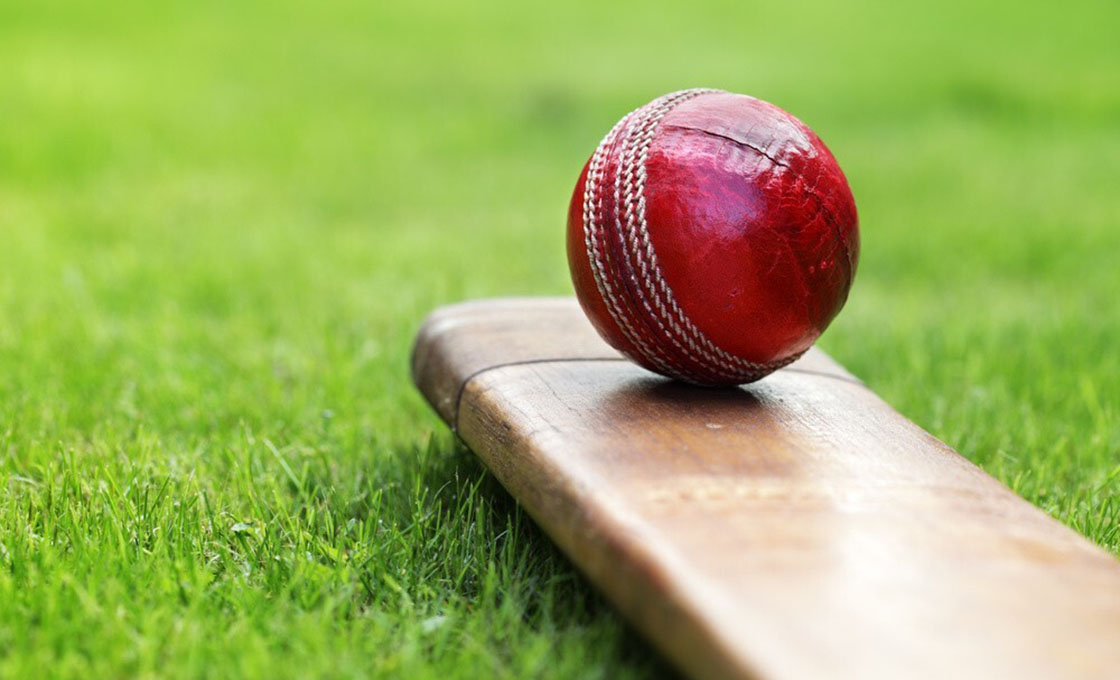
Satu-satunya sumber kebingungan terbesar dalam tatanan rumput buatan kriket adalah ruang lingkup. Ketika pembeli berkata "Aku butuh lapangan kriket," pemasok tidak dapat mengetahui apakah itu berarti a 32 M² strip sekolah atau a 10,000 M² ladang yg terpencil. Kedua kutipan tersebut berbeda lebih dari 300×, dan salah menebak akan membuang waktu produksi dan pengiriman selama berminggu-minggu.
Sebelum meminta harga, Anda harus menentukan dengan tepat mana dari lima jenis cakupan yang berlaku. Masing-masing mendorong kuantitas yang berbeda, tinggi tumpukan, beban pengisi, dan metode pengiriman. Ini juga alasan kami membuat kalkulator di atas — itu bercabang secara otomatis berdasarkan jenis proyek Anda.
A "lapangan kriket" dapat berarti lima hal yang sangat berbeda:
- Strip nada pertandingan (22 yard × 10 kaki) — area bermain kecil di tengah tempat bola dilempar dan dipantulkan.
- Strip latihan non-rumput (lebih kecil, untuk sekolah dan klub) — strip sintetis berbiaya rendah untuk pelatihan.
- Latih jalur bersih (beberapa strip paralel untuk pelatihan) — pesanan B2B paling umum untuk klub.
- Kriket kotak / fasilitas dalam ruangan (seluruh area bermain tertutup) — segmen dengan pertumbuhan tercepat di Asia Selatan.
- Lapangan luar penuh (seluruh lapangan berkarpet) — sangat langka dan mahal untuk rumput buatan.
| Jenis proyek | Daerah Khas | Jumlah Pesanan (+10%) | Kisaran Biaya FOB |
|---|---|---|---|
| Strip Pitch Pertandingan | 61 M² | 67 M² | $810 – $2,363 |
| Jalur Latihan (Non-Turf) | 32 M² | 36 M² | $427 – $1,246 |
| Jalur Bersih (4-jalur) | 264 M² | 290 M² | $3,480 – $10,150 |
| Kriket Kotak / Dalam | 400 – 600 M² | 440 – 660 M² | $5,280 – $23,100 |
| Lapangan Luar Penuh (langka) | 10,000+ M² | 11,000+ M² | $132,000+ |
Jalur Pitch Pertandingan ICC: 22 Meter Presisi
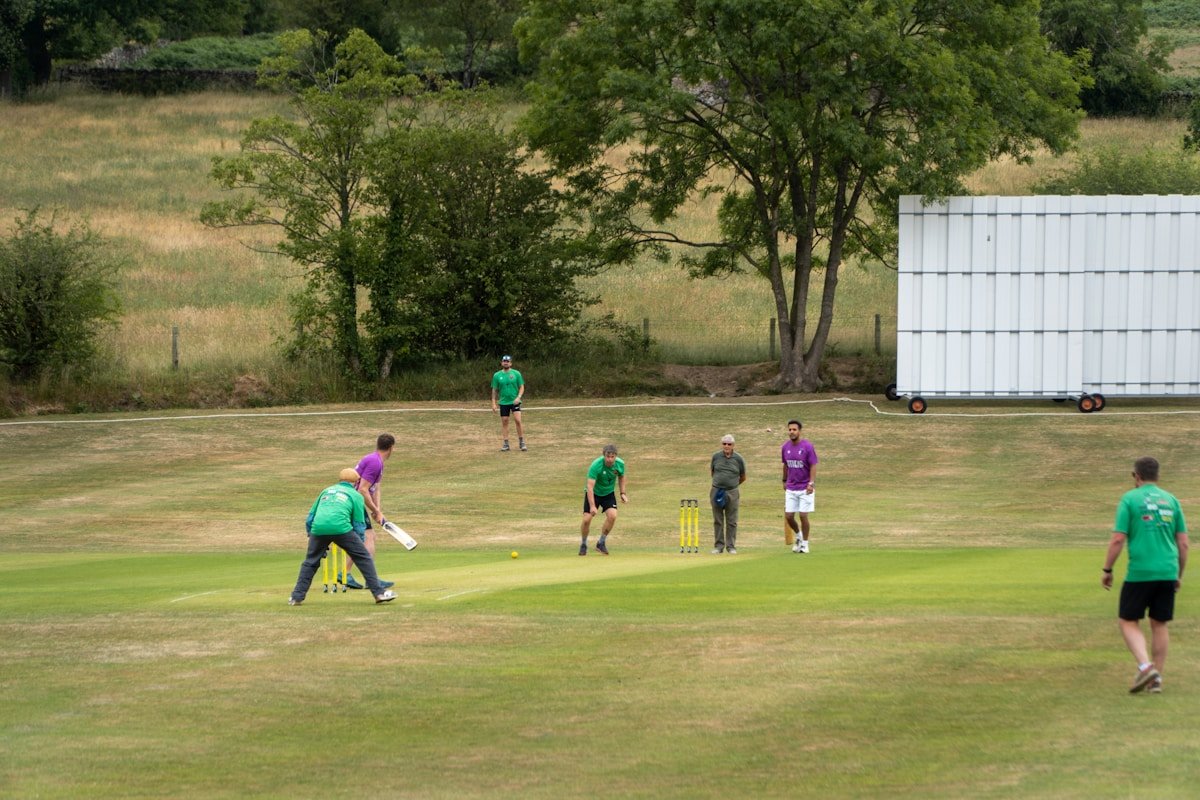
Di bawah Hukum Kriket MCC, nada didefinisikan sebagai 22 yard (20.12M) panjang dan 10 kaki (3.05M) lebar. Itu berhasil 61.37 M² — area yang sangat kecil namun menuntut toleransi produksi yang paling ketat di seluruh industri permukaan olahraga.
Jalur tengah ini adalah hanya area yang benar-benar membutuhkan rumput buatan khusus tingkat kriket. Permukaan harus menghasilkan pantulan bola yang konsisten sepanjang keseluruhannya, karena pantulan yang tidak konsisten secara langsung mempengaruhi performa batting dan bowling. Yang padat, karpet dengan tumpukan rendah (biasanya 8mm) menjaga kecepatan bola dapat diprediksi di luar permukaan.
Panjang: 22 yard = 20.12 M
Lebar: 10 kaki = 3.05 M
Luas permukaan: 61.37 M²
Minimal non-rumput (ECB/MCC): 17.68M × 1.83m = 32.4 M²
Ketinggian tumpukan yang disarankan: 8 mm
Termasuk tanda lipatan: lipatan yang muncul, lipatan bowling, lipatan kembali (putih spesifikasi ICC)
Non-rumput (sintetis) praktik minimum sesuai pedoman ECB/MCC lebih kecil: 17.68M × 1.83m = 32.4 M². Pengurangan jejak ini adalah hal yang sebenarnya diperintahkan oleh sebagian besar sekolah dan klub lokal, karena ini memberikan latihan nuansa kecocokan yang sesungguhnya dengan biaya yang jauh lebih murah.
Setiap strip korek api juga harus menyertakan tanda lipatan lengkap — lipatan yang muncul, lipatan bowling, dan mengembalikan lipatan. Ini dibuat terlebih dahulu menjadi karpet selama produksi atau dicat di lokasi sesuai spesifikasi ICC dengan warna putih.
Latih Jalur Bersih: Pesanan B2B Paling Umum
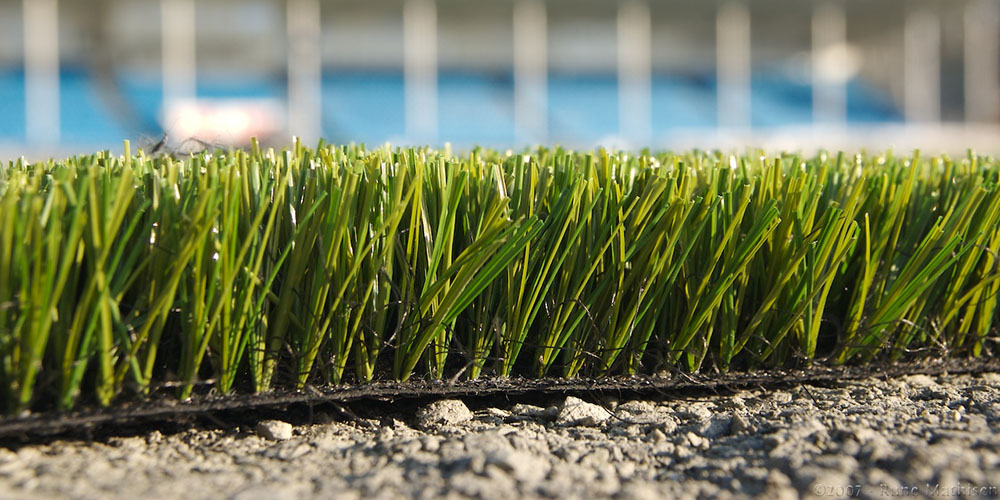
Jika Anda menyediakan fasilitas kriket, berlatih jalur bersih adalah roti dan mentega Anda. Kebanyakan klub, akademi, dan sekolah tidak memerlukan strip korek api sama sekali — mereka membutuhkan fasilitas pelatihan multi-jalur di mana beberapa pemain dapat memukul dan melempar secara bersamaan di belakang jaring. Ini adalah pesanan komersial paling umum di pasar rumput buatan kriket.
Jalur latihan standar panjangnya 22m × 3m lebar = 66 M² per jalur. Jalur diletakkan sejajar satu sama lain, dipisahkan dengan jaring, yang berarti gulungan dapat dijalankan memanjang untuk penggunaan material yang efisien. Instalasi yang umum digunakan 2, 3, 4, atau 6 jalur tergantung pada ruang dan anggaran yang tersedia.
| Hitungan Jalur | Luas Permukaan | Jumlah Pesanan (+10%) | Gulungan (4M×25M) | Kisaran Biaya FOB |
|---|---|---|---|---|
| 1 Jalur | 66 M² | 73 M² | 1 | $876 – $2,555 |
| 2 jalur | 132 M² | 145 M² | 2 | $1,740 – $5,075 |
| 3 jalur | 198 M² | 218 M² | 3 | $2,616 – $7,630 |
| 4 jalur | 264 M² | 290 M² | 3 | $3,480 – $10,150 |
| 6 jalur | 396 M² | 436 M² | 5 | $5,232 – $15,260 |
Permukaan latihan tidak memerlukan tumpukan 8mm tingkat korek api. Ketinggian tumpukan 12mm adalah standar industri untuk jalur — ia menawarkan sedikit lebih banyak bantalan untuk penggunaan berulang, menerima pengisian pasir dengan baik, dan biaya lebih murah per m² daripada karpet strip korek api yang padat.
Jumlah Kotak Kriket: m², Gulungan & Pasir untuk Lapangan Tertutup
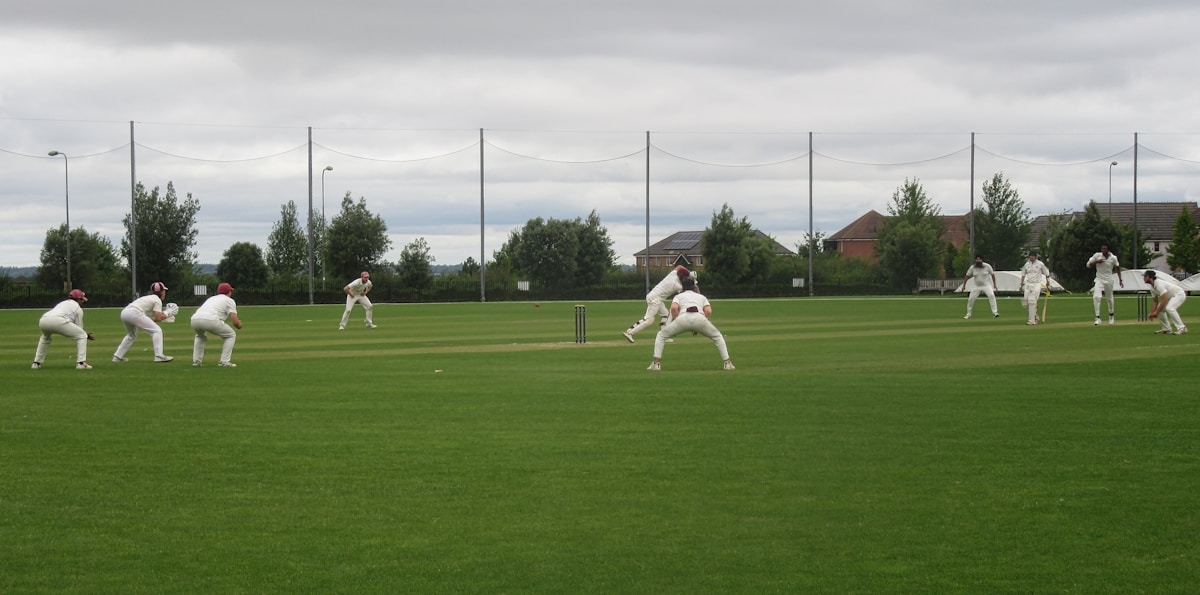
Kriket kotak — lapangan tertutup yang seluruh lantainya dilapisi karpet — membutuhkan pesanan rumput buatan terbesar dari semua jenis proyek kriket setelah karpet lapangan penuh. Area bermainnya bukanlah jalur sempit melainkan persegi panjang penuh, yang berarti jumlah pesanan menyaingi lapangan sepak bola kecil.
Dimensi kriket kotak standar berkisar antara 25–30m panjang × 15–20lebarnya m. Konfigurasi yang paling umum adalah 28M × 18m = 504 m². Karena permukaannya mengalami pergeseran dan putaran multi-arah, itu menggunakan 12–15tumpukan mm daripada spesifikasi strip korek api 8 mm, yang berarti sedikit lebih banyak berat material per m².
| Ukuran Kotak | Permukaan (m²) | Jumlah Pesanan (+10%) | Gulungan | Pasir (5 kg/m²) | Biaya FOB |
|---|---|---|---|---|---|
| 25m×15m (kecil) | 375 | 413 | 5 | 1.9 T | $4,956 – $14,455 |
| 28m×18m (standar) | 504 | 554 | 6 | 2.5 T | $6,648 – $19,390 |
| 30m×20m (besar) | 600 | 660 | 7 | 3.0 T | $7,920 – $23,100 |
Karena permukaan kriket kotak menggunakan gulungan produksi selebar 4m yang sama seperti olahraga lainnya, faktor limbah pada 15–20lebar m mirip dengan padel: 3–5 potongan dipotong dari gulungan, dengan potongan dikurangi dengan pra-pemotongan pabrik. Untuk standar 28m × 18m kotak, pra-pemotongan pabrik membatalkan pesanan 7 berguling ke 6.
Dari Roll 4m hingga Strip 3,05m: Hasil Bahan & Limbah

Strip pertandingan ICC lebarnya 3,05m, tetapi gulungan produksi lebarnya 4m. Perbedaan 0,95m itu — kelebihan hampir satu meter penuh — merupakan satu-satunya sumber limbah terbesar dalam tatanan rumput jangkrik jika tidak dikelola dengan benar. Memahami matematika hasil memberi tahu Anda dengan tepat berapa banyak strip yang dihasilkan satu gulungan.
Dari standar 4M × 25aku berguling (100 m²), pabrik dapat memotong:
| Barang | Dibutuhkan Lebar | Strip per Roll | m² yang dapat digunakan | Limbah |
|---|---|---|---|---|
| Strip pertandingan (ICC) | 3.05M | 1 mengupas | ~61 m² | ~39% |
| Jalur latihan | 3.00M | 1 mengupas | ~66 m² | ~34% |
| Kriket kotak (28×18m) | 4.0M (penuh) | 4.5 strip | ~90 m² | ~10% |
Inilah sebabnya mengapa satu strip pertandingan (61 m²) memerlukan yang penuh 100 gulungan m² — kelebihan lebar 0,95 m tidak dapat dihindari. Pabrik dapat menggunakan bahan potongan tersebut untuk sisipan penanda lipatan atau strip pendekatan, tetapi tidak dapat digabungkan untuk membuat strip penuh kedua. Untuk fasilitas multi jalur, sampah turun karena lajur diletakkan berdampingan dan lebar gulungan 4m lebih mendekati lebar lajur 3m, hanya menyisakan 1 m potongan per gulungan.
1 strip pertandingan: 1 gulungan (61 m² dapat digunakan 100 m²)
2 jalur latihan: 2 gulungan (132 m² dapat digunakan 200 m²)
4 jalur latihan: 3 gulungan (264 m² dapat digunakan 300 m²) — terputus dari jalur 1–3 jalur umpan 4
Kriket kotak (504 m²): 6 gulungan yang sudah dipotong sebelumnya (554 m² dipesan) — rasio hasil terbaik
Contoh PO: Akademi Kriket 6 Jalur — Lengkap BAIK
Untuk menunjukkan bagaimana setiap kuantitas dalam panduan ini cocok satu sama lain, berikut adalah bill of material lengkap untuk fasilitas latihan 6 jalur — urutan kriket B2B paling umum untuk akademi dan klub.
| Item Baris | Perhitungan | Kuantitas | Biaya Satuan FOB |
|---|---|---|---|
| Karpet kriket (12mm) | 66 m²× 6 × 1.10 | 436 m² | $12 – $28/m² |
| Gulungan yang sudah dipotong sebelumnya | 436 − 100 | 5 gulungan | termasuk |
| bantalan kejut (opsional) | 66 m²× 6 | 396 m² | $4 – $8/m² |
| Pengisi pasir silika | 396 m²× 5 kg/m² | 1,980 kg (2.0 T) | $80 – $150/ton |
| Pita jahitan + perekat | ~5 sambungan × 22m | ~110m + 30 kg | $100 – $180 |
| Kumpulan garis lipatan (opsional) | 6 set | 6 set | $30 – $60/set |
Karpet total: 436 m² (5 gulungan, pra-potong)
Jumlah pasir: ~2 ton
Berat keseluruhan: ~2,6 ton (karpet + pasir)
Perkiraan FOB (karpet saja): $5,232 – $12,208
Pengiriman: Konsolidasi LCL
Waktu tunggu produksi: 10–20 hari
Saat pesanan pembelian Anda berisi item baris yang persis seperti ini, pabrik mengkonfirmasi harga, produksi, dan pengiriman dalam satu respons — tidak ada putaran klarifikasi, tidak ada kejutan kuantitas saat pengiriman.
Berat, Kontainer & Pengiriman
Kapal rumput buatan kriket dengan beberapa metode tergantung pada berat total. Satu strip korek api cukup ringan untuk angkutan udara, sementara pesanan kriket multi-jalur atau kotak penuh dengan cepat memenuhi LCL (kurang dari muatan kontainer) konsolidasi. Melakukan metode pengiriman yang tepat lebih awal akan mencegah penawaran ulang pada menit-menit terakhir yang mahal.
| Lingkup Proyek | Berat Karpet | + Pengisian Pasir | Total | Metode pengiriman |
|---|---|---|---|---|
| Hanya Strip Pertandingan | ~100kg | ~0,3 ton | ~400kg | Angkutan udara atau LCL |
| 4-Latihan Jalur | ~500kg | ~1,5 ton | ~2 ton | Lcl |
| Kriket Kotak | ~1 ton | ~3 ton | ~4 ton | LCL atau kontainer 20 kaki |
| Lapangan Luar Penuh (langka) | 10+ ton | 50+ ton | 60+ ton | 40kontainer markas besar(S) |
Perhatikan bahwa pengisi pasir merupakan komponen terberat sejauh ini. Beberapa pembeli mengambil pasir silika secara lokal di tempat tujuan untuk menghindari pengiriman massal secara internasional — ini dapat mengurangi biaya pengiriman secara signifikan untuk pesanan yang lebih besar. Konfirmasikan dengan pemasok Anda apakah pengisian disertakan dalam penawaran FOB atau bersumber secara terpisah.
Kesalahan Pemesanan Yang Membebani Anda m² dan Uang

Kebanyakan masalah rumput buatan kriket bukanlah kegagalan produk — itu adalah kesalahan kuantitas yang dilakukan pada tahap pesanan pembelian. Tinjau masing-masing sebelum Anda mengonfirmasi pesanan Anda.
61 m² hanya mencakup jalur pertandingan ICC. Jika fasilitas Anda membutuhkan latihan bersih, kamu perlu 66 m² per jalur — dan sebagian besar klub memesan 4–6 jalur, arti 264–396 m². Memesan ukuran strip korek api untuk fasilitas latihan membuat Anda hanya memiliki karpet kecil dan jalur kosong.
Seorang pemain bowling membutuhkan 5–10m run-up sebelum lemparan dimulai. Jika Anda memesan tepat 22m per jalur tanpa tunjangan pendekatan, jalurnya terlalu pendek untuk latihan bowling cepat yang realistis. Tambahkan 3–5m per jalur, atau pesanan Anda secara fungsional tidak lengkap.
Strip kelas korek api memerlukan bantalan kejut di bawah karpet. Jika tidak ada dalam pesanan pembelian, pemasang datang dengan karpet tetapi tidak ada lapisan benturan — permukaannya terasa keras, gagal memenuhi standar kinerja, dan proyek terhenti saat pesanan shockpad terpisah dilakukan.
Sebuah 4m × 25m gulungan menutupi satu strip korek api (3.05lebarnya m) dengan ~39% limbah. Jika pesan satu roll saja untuk satu strip, itu 39 m² potongan biasanya dibuang. Minta pabrik untuk menggunakan potongan untuk sisipan lipatan, strip pendekatan, atau tambalan cadangan — mendapatkan bahan yang dapat digunakan dari limbah.
Kriket kotak adalah 400–600 m² — hampir 10× strip pertandingan. Pembeli yang berasumsi "satu lapangan kriket" dan anggaran untuk 61 m² mendapat kejutan ketika area tertutup sebenarnya membutuhkannya 500+ m² karpet plus 2.5 ton pasir. Selalu konfirmasikan jenis proyek dan tapak persisnya sebelum meminta penawaran.
Pertanyaan yang Sering Diajukan
Pertanyaan di bawah ini mencakup spesifikasi yang paling sering ditanyakan pembeli sebelum melakukan pemesanan rumput sintetis kriket. Untuk produk selain kriket, lihat rangkaian lengkap kami solusi permukaan olahraga.
Berapa ukuran standar lapangan kriket?
Ukuran resmi yang ditentukan oleh ICC dan Hukum Kriket MCC adalah 22 yard (20.12M) panjang dan 10 kaki (3.05M) lebar, memberikan luas permukaan 61.37 M² untuk strip lapangan pertandingan.
Berapa banyak rumput buatan yang saya perlukan untuk jalur jaring latihan?
Jalur latihan standar adalah 22m × 3m = 66 M². Menambahkan 10% untuk memotong dan melapisi limbah, jadi pesan kira-kira 73 M² per jalur. Kalikan dengan jumlah jalur untuk fasilitas multi jalur.
Bisakah saya menggunakan rumput buatan untuk seluruh lapangan kriket?
Ya, tapi itu langka dan mahal. Kebanyakan pembeli hanya memasang karpet di lapangan atau jalur latihan, karena lapangan luarnya sangat besar (10,000+ M²) dan rumput alami jauh lebih hemat biaya untuk area tersebut. Karpet bidang penuh biasanya disediakan untuk fasilitas khusus dalam ruangan atau iklim gurun.
Berapa tinggi tumpukan yang terbaik untuk kriket?
8mm adalah standar untuk strip lapangan pertandingan yang mengutamakan pantulan bola yang konsisten. 12mm sangat ideal untuk jalur latihan dan kriket kotak, menyeimbangkan daya tahan dan kenyamanan. 15mm digunakan untuk instalasi premium yang mengutamakan bantalan pemain dan penggunaan multi-olahraga.
Berapa lama rumput buatan kriket bertahan?
Dengan perawatan yang tepat — menyikat gigi secara teratur, pengisian pasir, dan menjaga permukaan tetap bersih — permukaan rumput buatan jangkrik tahan lama 10 ke 15 bertahun-tahun. Strip korek api yang sering digunakan secara kompetitif mungkin memerlukan penggantian area yang sering dipakai lebih cepat.
Apakah strip lapangan kriket memerlukan pengisi pasir?
Ya, isi ringan 4–6 kg/m² membantu menstabilkan serat karpet dan menjaganya tetap tegak, yang mempertahankan gulungan bola yang konsisten. Kriket menggunakan lebih sedikit pengisi dibandingkan padel atau tenis karena tumpukannya lebih pendek dan tuntutan permainannya berbeda.