
Ordinare l'erba artificiale per un campo da cricket non è come ordinare un campo da calcio o da tennis. La striscia di gara dell'ICC è lunga solo 20,12 m × 3.05 M — soltanto 61 M². Ma una struttura pratica a 6 corsie? Questo è 436 M². Un campo da cricket? 500 M². Lo stesso sport, UN 700% differenza nella quantità dell'ordine.
La maggior parte degli acquirenti sbaglia. Cercano “dimensione del campo da cricket,” trova 22 iarde × 10 piedi, ordina un rotolo, e scopri che copre solo la striscia centrale — senza più niente per le rincorse, corsie di pratica, o i segni delle pieghe.
Questa guida ti fornisce l'esatto m², conteggio dei rotoli, tonnellaggio di sabbia, e costo FOB per ogni tipo di progetto di cricket. Usa la calcolatrice per i numeri istantanei, oppure continua a leggere per la suddivisione completa per tipo di progetto.
Per layout non standard, Nostro erba artificiale per grilli gli specialisti prepareranno un preventivo personalizzato all'interno 24 ore.
Usa il calcolatore qui sotto per ottenere le quantità esatte per il tuo tipo di progetto di cricket.
🏏 Calcolatore dell'erba del campo da cricket
Calcola la striscia, sentiero & quantità di scatole — rotoli & Costo FOB
Che cosa "Campo da cricket" Significati per il tuo ordine
La più grande fonte di confusione in un ordine di erba artificiale per il cricket è la portata. Quando un acquirente dice "Mi serve un campo da cricket," il fornitore non può sapere se ciò significa a 32 M² striscia scolastica o a 10,000 M² campo esterno. Le due citazioni differiscono di oltre 300×, e indovinare male fa sprecare settimane di tempo di produzione e spedizione.
Prima di richiedere un prezzo, è necessario definire esattamente quale dei cinque tipi di ambito si applica. Ognuno guida una quantità completamente diversa, altezza del mucchio, carico di riempimento, e metodo di spedizione. Questo è anche il motivo per cui abbiamo creato la calcolatrice sopra — si ramifica automaticamente in base al tipo di progetto.
UN "campo da cricket" può significare cinque cose molto diverse:
- La striscia del campo della partita (22 iarde × 10 piedi) — la piccola area di gioco centrale dove la palla viene lanciata e rimbalza.
- Una pista da allenamento non erbosa (più piccolo, per scuole e associazioni) — una fascia sintetica a costo ridotto per l'allenamento.
- Esercitati nelle corsie nette (più strisce parallele per l'allenamento) — l'ordine B2B più comune per i club.
- Grillo a scatola / struttura interna (l'intera area di gioco recintata) — il segmento in più rapida crescita nell’Asia meridionale.
- Il campo esterno a tutto campo (l'intero campo ricoperto di moquette) — molto raro e costoso per l'erba artificiale.
| Tipo di progetto | Zona tipica | Quantità ordine (+10%) | Intervallo di costo FOB |
|---|---|---|---|
| Match Striscia del passo | 61 M² | 67 M² | $810 – $2,363 |
| Striscia pratica (Non-turf) | 32 M² | 36 M² | $427 – $1,246 |
| Corsie di rete (4-sentiero) | 264 M² | 290 M² | $3,480 – $10,150 |
| Grillo a scatola / Al coperto | 400 – 600 M² | 440 – 660 M² | $5,280 – $23,100 |
| Campo esterno completo (raro) | 10,000+ M² | 11,000+ M² | $132,000+ |
La striscia del campo di gara dell'ICC: 22 Metri di precisione
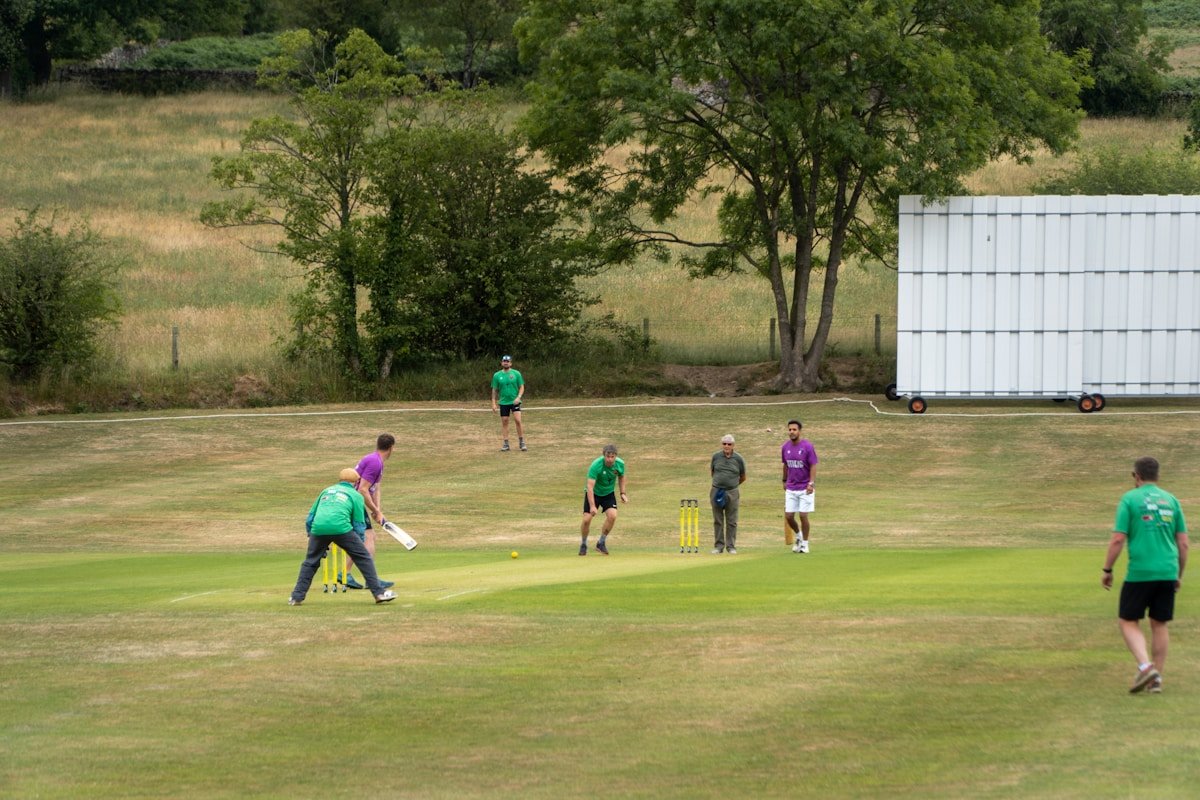
Sotto il Leggi del cricket del MCC, il passo è definito come 22 iarde (20.12M) lungo e 10 piedi (3.05M) Largo. Funziona proprio così 61.37 M² — un'area notevolmente piccola che tuttavia richiede la tolleranza di produzione più esigente nell'intero settore delle superfici sportive.
Questa striscia centrale è la soltanto un'area che richiede veramente erba artificiale specializzata per il cricket. La superficie deve garantire un rimbalzo uniforme della palla su tutta la sua lunghezza, perché il rimbalzo incoerente influisce direttamente sulle prestazioni di battuta e bowling. Il denso, tappeto a pelo corto (tipicamente 8 mm) mantiene prevedibile la velocità della palla fuori dalla superficie.
Lunghezza: 22 iarde = 20.12 M
Larghezza: 10 piedi = 3.05 M
Superficie: 61.37 M²
Minimo non erboso (BCE/MCC): 17.68M × 1.83m = 32.4 M²
Altezza del pelo consigliata: 8 mm
Include segni di piega: piega scoppiettante, piega del bowling, piega di ritorno (Bianco con specifiche ICC)
Il non-erba (sintetico) il minimo praticabile secondo gli orientamenti della BCE/MCC è inferiore: 17.68M × 1.83m = 32.4 M². Questa impronta ridotta è ciò che effettivamente ordina la maggior parte delle scuole e dei club locali, perché offre una pratica autentica della sensazione della partita a una frazione del costo dell'intera striscia.
Ogni striscia di gara deve includere anche la serie completa di segni di piega — la piega scoppiettante, piega del bowling, e piega di ritorno. Questi sono prefabbricati nel tappeto durante la produzione o verniciati in loco secondo le specifiche ICC in bianco.
Esercitati nelle corsie della rete: L'ordine B2B più comune
Se fornisci strutture per il cricket, pratica le corsie di rete sono il tuo pane quotidiano. La maggior parte dei club, accademie, e le scuole non hanno affatto bisogno di una divisa — hanno bisogno di una struttura di allenamento a più corsie in cui diversi giocatori possano battere e lanciare contemporaneamente dietro le reti. Questo è l'ordine commerciale più comune nel mercato dell'erba artificiale per il cricket.
Una corsia di pratica standard è lunga 22 metri × 3m di larghezza = 66 M² per corsia. Le corsie sono disposte parallelamente l'una all'altra, separati da rete, ciò significa che i rulli possono essere fatti scorrere longitudinalmente per un utilizzo efficiente del materiale. Utilizzo tipico delle installazioni 2, 3, 4, O 6 corsie a seconda dello spazio disponibile e del budget.
| Conteggio corsie | Superficie | Quantità ordine (+10%) | Rotoli (4M×25M) | Intervallo di costo FOB |
|---|---|---|---|---|
| 1 Sentiero | 66 M² | 73 M² | 1 | $876 – $2,555 |
| 2 Corsie | 132 M² | 145 M² | 2 | $1,740 – $5,075 |
| 3 Corsie | 198 M² | 218 M² | 3 | $2,616 – $7,630 |
| 4 Corsie | 264 M² | 290 M² | 3 | $3,480 – $10,150 |
| 6 Corsie | 396 M² | 436 M² | 5 | $5,232 – $15,260 |
Le superfici di allenamento non necessitano del pelo da 8 mm di qualità match. L'altezza del pelo di 12 mm è lo standard industriale per le corsie — offre un'ammortizzazione leggermente maggiore per un uso ripetuto, accetta bene il riempimento con sabbia, e costa meno al m² del fitto tappeto a strisce di fiammiferi.
Quantità di cricket in scatola: m², Rotoli & Sabbia per corti chiuse
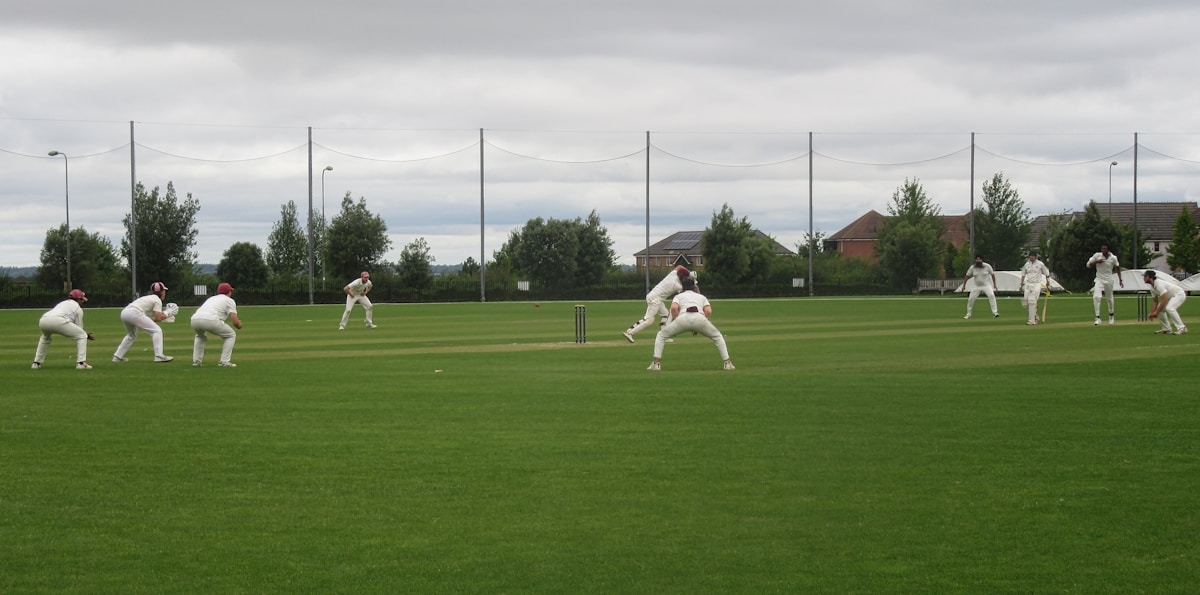
Grillo a scatola — corti chiuse dove l'intero pavimento è rivestito di moquette — richiede il più grande ordine di erba artificiale di qualsiasi tipo di progetto di cricket dopo la moquette esterna completa. L'area di gioco non è una striscia stretta ma un rettangolo intero, il che significa che la quantità dell'ordine rivaleggia con quella di un piccolo campo da calcio.
Le dimensioni standard del box cricket vanno da 25–30m lungo × 15–20m di larghezza. La configurazione più comune è 28M × 18m = 504 m². Perché la superficie vede scivolare e girare in più direzioni, ne usa 12–15mm anziché la specifica della striscia di corrispondenza da 8 mm, ciò significa un peso del materiale leggermente maggiore per m².
| Dimensioni della scatola | Superficie (m²) | Quantità ordine (+10%) | Rotoli | Sabbia (5 kg/m²) | Costo FOB |
|---|---|---|---|---|---|
| 25m×15 m (piccolo) | 375 | 413 | 5 | 1.9 T | $4,956 – $14,455 |
| 28m×18 m (standard) | 504 | 554 | 6 | 2.5 T | $6,648 – $19,390 |
| 30m×20m (grande) | 600 | 660 | 7 | 3.0 T | $7,920 – $23,100 |
Perché le superfici del box cricket utilizzano gli stessi rotoli di produzione larghi 4 metri di ogni altro sport, il fattore spreco su 15–20La larghezza di m è simile al padel: 3–5 strisce tagliate da rotoli, con sfrido ridotto dal pretaglio di fabbrica. Per un 28m standard × 18scatola m, il pre-taglio di fabbrica elimina l'ordine da 7 rotola a 6.
Dal rotolo da 4 m alla striscia da 3,05 m: Resa materiale & Sciupare
La striscia di gara dell'ICC è larga 3,05 m, ma il rotolo di produzione è largo 4 metri. Quella differenza di 0,95 m — quasi un metro intero di eccesso — è la principale fonte di rifiuti in un ordine di erba da grillo se non gestita correttamente. Comprendere i calcoli della resa ti dice esattamente quante strisce produce un rotolo.
Da una norma 4M × 25rotolo (100 m²), la fabbrica può tagliare:
| Articolo | Larghezza necessaria | Strisce per rotolo | Mq utilizzabili | Sciupare |
|---|---|---|---|---|
| Striscia di corrispondenza (ICC) | 3.05M | 1 striscia | ~61 m² | ~39% |
| Corsia di pratica | 3.00M | 1 striscia | ~66 mq | ~34% |
| Grillo a scatola (28×18m) | 4.0M (pieno) | 4.5 strisce | ~90 mq | ~10% |
Ecco perché una sola striscia di corrispondenza (61 m²) richiede un pieno 100 rotolo da m² — l'eccesso di larghezza di 0,95 m è un ritaglio inevitabile. La fabbrica può utilizzare il materiale di scarto per inserti di marcatura delle pieghe o strisce di avvicinamento, ma non può essere unito per formare una seconda striscia intera. Per impianti a più corsie, i rifiuti diminuiscono perché le corsie sono affiancate e la larghezza del rotolo da 4 m è più vicina alla larghezza della corsia da 3 m, lasciando solo 1 metro di scarto per rotolo.
1 striscia di corrispondenza: 1 rotolo (61 m² utili di 100 m²)
2 corsie di pratica: 2 rotoli (132 m² utili di 200 m²)
4 corsie di pratica: 3 rotoli (264 m² utili di 300 m²) — staccato dalle corsie 1–3 corsia di alimentazione 4
Grillo a scatola (504 m²): 6 rotoli pretagliati (554 m² ordinato) — miglior rapporto di rendimento
Esempio PO: Un'accademia di cricket a 6 corsie — Completa BUONO
Per mostrare come ogni quantità in questa guida si adatta insieme, ecco la distinta base completa per una struttura pratica a 6 corsie — l'ordine di cricket B2B più comune per accademie e club.
| Elemento pubblicitario | Calcolo | Quantità | Costo unitario FOB |
|---|---|---|---|
| Tappeto da cricket (12mm) | 66 m²× 6 × 1.10 | 436 m² | $12 – $28/m² |
| Rotoli pretagliati | 436 ÷ 100 | 5 rotoli | incluso |
| Shockpad (opzionale) | 66 m²× 6 | 396 m² | $4 – $ 8/m² |
| Riempimento di sabbia silicea | 396 m²× 5 kg/m² | 1,980 kg (2.0 T) | $80 – $ 150/tonnellata |
| Nastro di cucitura + adesivo | ~5 giunti × 22m | ~110 m + 30 kg | $100 – $180 |
| Set linea di piega (opzionale) | 6 insiemi | 6 insiemi | $30 – $ 60/set |
Moquette totale: 436 m² (5 rotoli, pretagliato)
Sabbia totale: ~2 tonnellate
Peso totale: ~2,6 tonnellate (tappeto + sabbia)
FOB stimato (solo tappeto): $5,232 – $12,208
Spedizione: Consolidamento LCL
Tempi di produzione: 10–20 giorni
Quando il tuo ordine di acquisto contiene queste esatte voci, la fabbrica conferma i prezzi, produzione, e spedizione in un'unica risposta — nessun giro di chiarimenti, nessuna sorpresa quantitativa alla consegna.
Peso, Contenitori & Spedizione
L'erba artificiale del cricket viene spedita con diversi metodi a seconda del peso totale. Una singola striscia di fiammifero è abbastanza leggera per il trasporto aereo, mentre un ordine completo a più corsie o box cricket riempie rapidamente un LCL (carico inferiore al container) consolidamento. Scegliere il metodo di spedizione giusto in anticipo evita costosi nuovi preventivi dell'ultimo minuto.
| Ambito del progetto | Peso del tappeto | + Riempimento di sabbia | Totale | Metodo di spedizione |
|---|---|---|---|---|
| Solo striscia di corrispondenza | ~100 chilogrammi | ~0,3 tonnellate | ~400 chilogrammi | Trasporto aereo o LCL |
| 4-Pratica in corsia | ~500 chilogrammi | ~1,5 tonnellate | ~2 tonnellate | LCL |
| Grillo a scatola | ~1 tonnellata | ~3 tonnellate | ~4 tonnellate | Contenitore LCL o da 20 piedi |
| Campo esterno completo (raro) | 10+ tonnellate | 50+ tonnellate | 60+ tonnellate | 40contenitore quartier generale da piedi(S) |
Si noti che il riempimento con sabbia è di gran lunga il componente più pesante. Alcuni acquirenti acquistano la sabbia silicea localmente nel luogo di destinazione per evitare di spedire pesi sfusi a livello internazionale — questo può ridurre significativamente i costi di spedizione per ordini più grandi. Verifica con il tuo fornitore se il riempimento è incluso nel preventivo FOB o se viene fornito separatamente.
Errori negli ordini che costano m² e denaro
La maggior parte dei problemi dell'erba artificiale del cricket non sono guasti del prodotto — sono errori di quantità commessi in fase di ordine di acquisto. Controlla ciascuno di essi prima di confermare l'ordine.
61 m² copre solo la striscia di gara ICC. Se la tua struttura ha bisogno di pratica in rete, hai bisogno 66 m² per corsia — e la maggior parte dei club ne ordina 4–6 corsie, significato 264–396 m². Ordinare la dimensione della striscia di gara per una struttura pratica ti lascia con un piccolo tappeto e corsie vuote.
Un giocatore di bocce ne ha bisogno di 5–10m di rincorsa prima dell'inizio del tiro. Se ordini esattamente 22 m per corsia senza tolleranza di avvicinamento, la corsia è troppo corta per una pratica realistica di bowling veloce. Aggiungi 3–5m per corsia, oppure il tuo ordine è funzionalmente incompleto.
Le strisce di qualità match richiedono un ammortizzatore sotto il tappeto. Se non è nell'ordine di acquisto, l'installatore arriva con la moquette ma senza strato antiurto — la superficie sembra dura, non soddisfa gli standard di prestazione, e il progetto si blocca mentre viene effettuato un ordine separato di shockpad.
Un 4m × 25Il rotolo da m copre una striscia di corrispondenza (3.05m di larghezza) con circa il 39% di rifiuti. Se ordini solo un rotolo per una striscia, IL 39 m² di scarto vengono solitamente scartati. Chiedere alla fabbrica di utilizzare il ritaglio per gli inserti di piega, strisce di avvicinamento, o patch di ricambio — ricavare materiale utilizzabile dai rifiuti.
Il cricket in scatola costa 400–600 m² — quasi 10× la striscia della partita. Acquirenti che assumono "un campo da cricket" e budget per 61 m² subiscono uno shock quando lo richiede l'effettiva area chiusa 500+ m² di moquette più 2.5 tonnellate di sabbia. Conferma sempre il tipo di progetto e l'impronta esatta prima di richiedere un preventivo.
Domande frequenti
Le domande seguenti riguardano le specifiche che gli acquirenti chiedono più spesso prima di effettuare un ordine di erba artificiale per cricket. Per prodotti che vanno oltre il cricket, vedere la nostra gamma completa di soluzioni per superfici sportive.
Qual è la dimensione standard di un campo da cricket??
La dimensione ufficiale definita dal ICC e MCC Laws of Cricket lo è 22 iarde (20.12M) lungo e 10 piedi (3.05M) Largo, dando una superficie di 61.37 M² per la fascia del campo di gara.
Di quanta erba artificiale ho bisogno per una corsia di pratica in rete??
Una corsia di pratica standard è di 22 m × 3m = 66 M². Aggiungere 10% per gli scarti di taglio e cucitura, quindi ordina approssimativamente 73 M² per corsia. Moltiplicare per il numero di corsie per un impianto a più corsie.
Posso usare l'erba artificiale per l'intero campo da cricket?
SÌ, ma è raro e costoso. La maggior parte degli acquirenti tappezza solo la pista o le corsie di pratica, perché il campo esterno è enorme (10,000+ M²) e l’erba naturale è molto più conveniente per quella zona. La moquette a tutto campo è generalmente riservata a strutture specializzate per interni o climi desertici.
Quale altezza del mucchio è migliore per il cricket??
8mm è lo standard per le strisce del campo di gioco in cui è essenziale un rimbalzo costante della palla. 12mm è ideale per corsie di pratica e box cricket, bilanciando durata e comfort. 15mm viene utilizzato per installazioni premium che danno priorità all'ammortizzazione del giocatore e all'uso multisport.
Quanto dura l'erba artificiale del cricket??
Con una corretta manutenzione — spazzolatura regolare, rabbocchi di sabbia, e mantenendo la superficie pulita — dura una superficie in erba artificiale da cricket 10 A 15 anni. Le strisce di gara che vedono un uso competitivo intenso potrebbero richiedere la sostituzione prima delle aree ad alta usura.
Una striscia di campo da cricket necessita di riempimento con sabbia?
SÌ, un riempimento leggero di 4–6 kg/m² aiuta a stabilizzare le fibre del tappeto e a mantenerle in posizione verticale, che preserva un rotolamento della palla coerente. Il cricket utilizza meno materiale di riempimento rispetto al padel o al tennis perché la pila è più corta e le esigenze di gioco sono diverse.