
Первая ошибка, которую большинство покупателей допускают при покупке бейсбольного поля, — это относиться к нему как к любому другому спортивному полю.. Футбольное поле представляет собой прямоугольник с травой.. Хоккейное поле представляет собой прямоугольник с травой.. Бейсбольное поле наполовину покрыто травой., половина грязи — и половина грязи, «ободранный»” приусадебный участок, глотает 2,500–3,000 м² этому вообще не нужен ковер. Закажите газон на всю площадь поля, и вы заплатите за него., корабль, и складировать тысячи квадратных метров травы, которую вам никогда не раскатать.
Итак, сколько искусственной травы вам действительно нужно?? Это почти полностью зависит от уровня игры.. Поле MLB/про имеет примерно 7,500 м² площади настоящей травы. Рядом находится поле колледжа или средней школы. 4,000 м². Бриллианту Малой лиги нужно всего около 1,500 м². Это 5× распределяется между самыми маленькими и самыми большими — ошибетесь с уровнем и закажете в пять раз больше, или в пять раз слишком мало. Слой на изогнутой стене дальнего поля, что увеличивает сокращение отходов до 10–15%, и объем заказа снова возрастает, прежде чем с завода покинет один рулон.
Это руководство вычитает грязь, изолирует траву, и даст вам точное м², количество рулонов, коэффициент отходов, план контейнера, и стоимость FOB для всех трех полевых уровней. Используйте калькулятор ниже для мгновенного расчета, затем читайте дальше, чтобы узнать о бейсбольной разбивке — в том числе и то, почему из-за изогнутого забора в дальней части поля на этом виде спорта тратится больше ковров, чем на любом прямоугольном поле.. Для нестандартных планировок или многопрофильных комплексов, наш искусственная трава команда возвращает специальную спецификацию в течение 24 часы.
Воспользуйтесь калькулятором ниже, чтобы получить точные количества для вашего бейсбольного поля..
⚾ Калькулятор травы на бейсбольном поле
Рассчитать дальнее поле & приусадебная трава м², рулоны & расходы
Трава против области со шкурой: Для чего на самом деле нужен ковер
Бейсбольное поле — это не одна поверхность — это две поверхности, лежащие рядом, и только один из них покрыт ковром. Разделите поле в уме, и математические вычисления станут простыми.
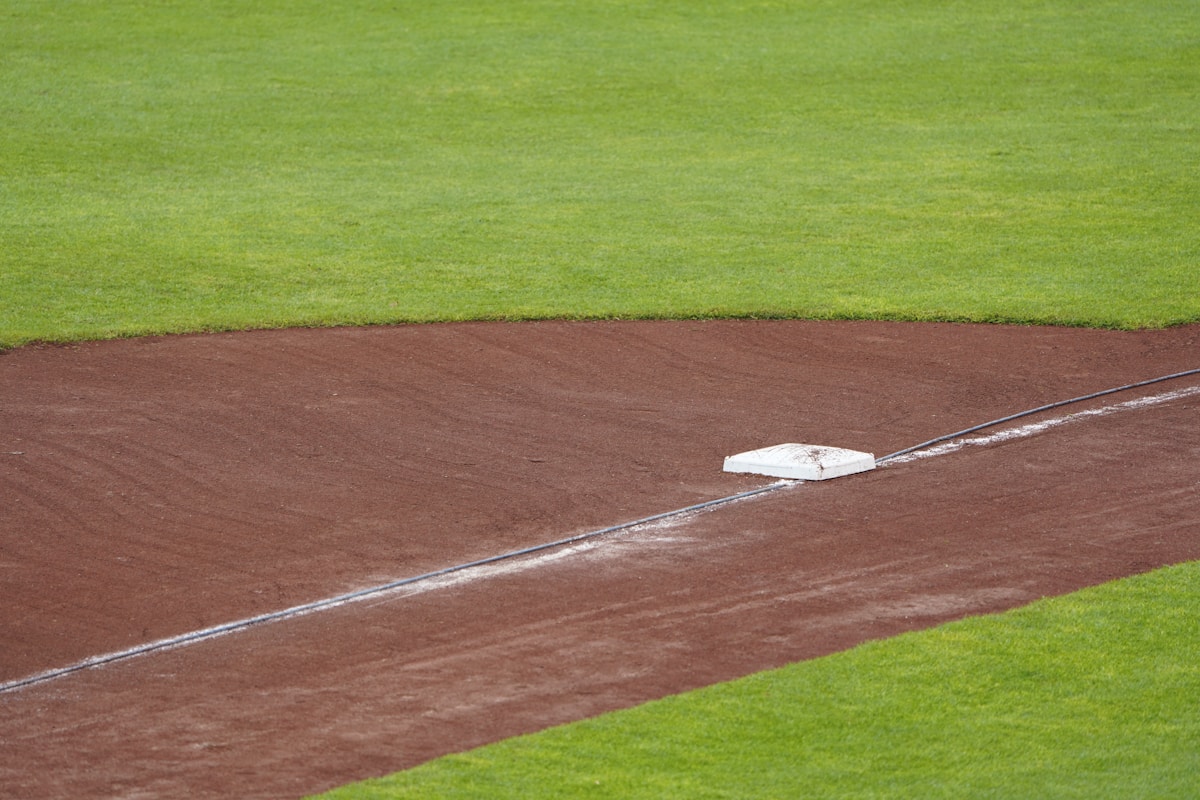
Область со шкурой это грязь на приусадебном участке: базовые пути, которые соединяют домашнюю пластину с первой, второй, и третий; насыпь кувшина и окружающее ее плато; а также боксы для отбивающих на домашней тарелке и скользящие зоны вокруг каждой базы.. В профессиональной сфере эта смесь глины и песка покрывает примерно 2,500–3,000 м², и он получает ноль искусственная трава. Такое поведение на грязной поверхности — как слайдер крадет второе место, как умирает головня — имеет основополагающее значение для бейсбола, и ковровое покрытие испортит игру.
Площадь травы это все остальное: дальняя часть поля (от края приусадебного участка до хоум-рана), приусадебная трава, обвивающая бриллиант со шкурой, и фол-территория по обеим линиям. Только в этих зонах ковровое покрытие. Это единственная главная причина, по которой «сколько травы на бейсбольном поле” не имеет однозначного ответа — вопрос действительно в том, «сколько только трава область, после того, как вы вычтете грязь.”
Покупатели, которые занимаются футболом или хоккеем, предполагают, что спортивная площадка представляет собой один прямоугольник с ковровым покрытием., поэтому они цитируют общая площадь поля. На поле спецификации MLB этот след составляет около 10,500 м², но всего ~7500 м² это трава. Заказ на полную площадь означает покупку ~3000 м².² ковра для ободранного приусадебного участка — материал, который доставляется, оплачено, а затем списано. Всегда сначала удаляйте грязь.
Коэффициент разделения меняется в зависимости от уровня поля. На ромбе Малой лиги базовые пути состоят только из 60 футы (18.3 м), таким образом, площадь скининга меньше в абсолютном выражении, но все же примерно вдвое меньше игрового следа.. На профессиональном поле 90 футы (27.4 м) базовые дорожки и глубокая дальняя часть поля повышают долю травы. В результате процент площади травы возрастает примерно с 54% в Малой лиге примерно 71% на профессиональном уровне — еще одна причина, по которой уровень поля диктует порядок.
Три уровня поля: 5× Разница в площади
В бейсболе используется геометрия, специфичная для уровня.. Расстояния забора, длина базового пути, и глубина поля - все меняется между Малой лигой, колледж/средняя школа, и плюсы — и каждое из этих измерений перетекает прямо в ваш порядок травы. Разница между наименьшим и наибольшим уровнем составляет пять раз..
| Уровень поля | Общая площадь поля | Площадь травы (только ковер) | Кол-во заказа (+12% напрасно тратить) | Рулоны (4м×25м) |
|---|---|---|---|---|
| Маленькая лига | ~2800 м² | ~1500 м² | ~1680 м² | 17 |
| Колледж / Средняя школа | ~6500 м² | ~4000 м² | ~4480 м² | 45 |
| МЛБ / Профессионал | ~10 500 м² | ~7500 м² | ~8400 м² | 84 |
От 1,500 к 7,500 м² травы — 5× разница для одного и того же вида спорта. Неправильный уровень не является ошибкой округления.; это заказ на в пять раз больше материала, или сайт работы, который останавливается из-за того, что груз 6,000 м² короткий. Укажите уровень поля, расстояние базового пути (60 футы против 90 футы), и только трава м² в каждом заказе на покупку.
Изогнутые стены дальнего поля: Почему количество отходов в бейсболе выше
Вот где бейсбол обходится вам дороже ковра, чем любой прямоугольный вид спорта.. Футбольное поле представляет собой чистый прямоугольник. — рулоны бегут прямо к боковой линии, обрезки минимальны, и 5% пособие на отходы обычно покрывает его. Бейсбольное поле представляет собой веерную форму, ограниченную изогнутый забор, и эта кривая — враг эффективного использования крена.
Потому что производственные валки прямые 4 полоски шириной м, каждый из них, идущий от края приусадебного участка до стены дальнего поля, должен быть обрезан до дуги хоум-рана.. Полосы штрафной линии проходят почти во всю длину.; полоса центрального поля самая короткая. Оставшиеся обрезанные треугольники нельзя использовать повторно. — их углы и ширина сужаются больше нигде на поле. Чем уже дуга дальнего поля, тем более выражены обрезки.
Это делает фактор потерь в бейсболе 10–15%, примерно вдвое больше 5–8% прямоугольное поле позволяет. И процент не является одинаковым на разных уровнях.: дальнее поле Малой лиги имеет гораздо меньший радиус (забор на высоте ~60 м) чем поле MLB (забор на 100+ м до центра), поэтому кривая сильнее кусается на небольших полях.
| Тип поля | Форма поля | Рекомендуемые отходы | Почему |
|---|---|---|---|
| Футбол / Хоккей (прямоугольный) | Прямые края | 5–8% | Рулоны идут заподлицо с линией |
| МЛБ / Профессиональный бейсбол | Широкая дуга, глубокий забор | 10–12% | Нежный изгиб, умеренные обрезки |
| Малая бейсбольная лига | Плотная дуга, короткий забор | 13–15% | Резкая кривая, тяжелые отходы |
Если у вас есть бюджет только 5% тратить время на поле колледжа в ожидании 4,000 м² травы, ты грубо падаешь 280 м² (3 рулоны) короткое замыкание, и монтажная бригада простаивает, пока заказ на пополнение отправляется через океан. Всегда используйте 10% как пол для бейсбола, 13–15% для Малой лиги и любого поля с узким радиусом дальнего поля.
Макет рулона: Как 4-метровые рулоны покрывают бейсбольное поле
Искусственная трава для бейсбольных кораблей в стандартных рулонах производства. 4 м шириной × 25 м в длину = 100 м² каждый. Стратегия макета одинакова на всех уровнях.: рулоны проходят вдоль от края земли приусадебного участка к стене дальнего поля, расположены рядом по ширине поля. Затем каждая полоса обрезается до изогнутой линии ограждения..
Возьмите область колледжа/средней школы с примерно 4,000 м² травы. Разделить на 100 м² за рулон, и вы получаете базовый уровень 40 рулоны — перед отходами. Добавьте фактор изогнутого дальнего поля (12% здесь) и реальный порядок возрастает примерно до 4,480 м², или 45 рулоны. Это «+5 бросков” полностью управляемый кривой; все это не является полем.
| Уровень поля | Площадь травы | Базовые рулоны (÷100) | + Напрасно тратить | Фактические рулоны на заказ |
|---|---|---|---|---|
| Маленькая лига | ~1500 м² | 15 | +2 | 17 |
| Колледж / HS | ~4000 м² | 40 | +5 | 45 |
| МЛБ / Про | ~7500 м² | 75 | +9 | 84 |
Заводская предварительная резка особенно ценна на изогнутых полях.. Предоставьте радиус ограждения для обследования объекта, и завод предварительно обрезает каждую полосу до дуги., поэтому установщик укладывает заранее сформированные рулоны, а не разрезает 80+ скатывается на кривую на месте — экономия, измеряемая в человеко-днях, и более чистая линия стыка полос.
Ценовые уровни: Как стоимость единицы продукции падает при масштабировании
за м² цена на бейсбольное покрытие резко падает по мере роста заказа. Поле Малой лиги на высоте ~ 1500 м.² это скромная покупка; поле MLB на высоте ~ 7500 м² это более тонны пряжи и многоконтейнерная партия. Этот объем открывает сразу три скидки.: производственная установка амортизируется в течение более млн.², оптовая закупка пряжи, и специальные перевозки с полной загрузкой контейнера вместо консолидации LCL.
| Уровень поля / Размер | Площадь травы | Цена за единицу на условиях ФОБ | Восток . Стоимость ковра (ФОБ) |
|---|---|---|---|
| Маленькая лига | ~1500 м² | $20 – $35/м² | $30,000 – $52,500 |
| Колледж / Средняя школа | ~4000 м² | $15 – $25/м² | $60,000 – $100,000 |
| МЛБ / Профессионал | ~7500 м² | $12 – $20/м² | $90,000 – $150,000 |
Потому что заказ MLB покупает больше всего m², он достигает самой низкой цены за единицу в игре — хотя абсолютные расходы самые высокие. Урок для мелких покупателей: если вы строите многопрофильный комплекс, группируйте каждый бриллиант в одну производственную партию, чтобы перейти на следующий ценовой уровень, вместо того, чтобы заказывать поле за полем по низкой цене..
Масса, Контейнеры & Перевозки
Заказ на бейсбольное покрытие — одна из самых тяжелых партий в мире спортивных покрытий., и это вес — а не площадь пола — это определяет ваш контейнерный план. Примерно 4.5 кг на м² готового ковра, цифры быстро растут.
Единственное поле MLB в 7,500 м² весит около 33.75 метрические тонны — слишком тяжелый для одного контейнера, поскольку судоходные линии ограничивают 40 футов высотой примерно 26–28 тонн полезной нагрузки. Он разделяется поперек 2 × 40 фут штаб-квартира контейнеры. Поле колледжа весом около 18 тонн умещается в одном 40 фут штаб-квартира. Поле Малой лиги весом ~6,75 тонны достаточно легкое для одного 20 футовый контейнер.
| Уровень поля | Площадь травы | Масса (~4,5 кг/м²) | Контейнерный план |
|---|---|---|---|
| Маленькая лига | ~1500 м² | ~6,75 т | 1 × 20 футовый контейнер |
| Колледж / Средняя школа | ~4000 м² | ~18 т | 1 × 40 фут штаб-квартира |
| МЛБ / Профессионал | ~7500 м² | ~33,75 т | 2 × 40 футовые контейнеры для штаб-квартиры |
Потому что заказы на бейсбол заполняются специальными контейнерами, стоимость перевозки за м² гораздо ниже, чем при частичных перевозках LCL. — одна из причин, по которой заказ на полный объем работ превосходит любую частичную покупку с точки зрения единичной экономики. Всегда подтверждайте, является ли ваше предложение FOB. (завод в порт погрузки) или СИФ (в порт назначения), поскольку количество контейнеров определяет часть стоимости доставки на условиях CIF..
Образец заказа на поставку: Бейсбольное поле колледжа — Полная спецификация материалов
Чтобы показать, как каждая фигура в этом руководстве сочетается друг с другом., вот полная спецификация материалов для бейсбольного поля колледжа/средней школы — самый распространенный полноразмерный заказ B2B. Каждая строка ниже — это то, что указано в заводском заказе на поставку..
| Позиция | Расчет | Количество | Стоимость единицы товара на условиях ФОБ |
|---|---|---|---|
| Бейсбольный травяной ковер | 4,000 м² × 1.12 | 4,480 м² | $15 – $25/м² |
| Нарезанные на заводе рулоны | 4,480 ÷ 100 | 45 рулоны | включено |
| Запасной ковер (зоны повышенного износа) | 2% площади травы | 80 м² | $15 – $25/м² |
| Лента для швов + клей | ~20 полосочных швов × длина поля | ~400 м + 90 кг | $350 – $600 |
Общий ковер: 4,560 м² (4,480 + 80 запасной)
Всего бросков: 46 (45 + 1 запасной)
Общий вес: ~20,5 метрических тонн
Расчетный ФОБ (только ковер): $67,200 – $112,000
Перевозки: 1 × 40 футовый контейнер для штаб-квартиры
Срок изготовления: 25–40 дни
Это именно та разбивка, которую ваш поставщик должен точно указать.. Отправьте заказ на покупку с этими позициями, и завод подтвердит цену., производство, и планирование контейнеров в одном ответе — никаких уточняющих раундов, никаких сюрпризов при доставке.
Пять ошибок заказа, связанных с бейсболом
После поставки бейсбольных покрытий в школы, муниципалитеты, и подрядчики, те же пять ошибок повторяются при заказе на поставку — каждый из них превращает простой заказ в дорогостоящую проблему, не потому, что товар неправильный, но потому что количества и предположения ошибаются.
Обезжиренный приусадебный участок - это грязь, не ковер. Если вы укажете полную стоимость ~10 500 м² профессиональная площадь вместо ~7500 м² лужайка, вы перезаказываете примерно на 3000 м² газона, который некуда положить. Всегда сначала вычитайте очищенную область.
Дуга дальнего поля делает обрезки непригодными для использования. Бюджетирование 5% на поле колледжа вам не хватает ~3 бросков, и команда простаивает, пока отправляется пополнение. Использовать 10% минимум, 13–15% для узких дуг Малой лиги.
Эти места повышенного износа внутри области со шкурой не являются простой грязью. — они используют специально разработанную упаковочную глину или смесь глины и дерна, которую необходимо приобретать отдельно.. Это не часть порядка травяного ковра., но если оно отсутствует в BOQ проекта, поле неиграбельно.
Белая отметка базовой линии и линии фола обычно обособлена., белый газон с коротким ворсом, инкрустированный зеленью — не нарисованный. Если вы забудете эту позицию, разметка полей будет невозможна, и второй, следует срочный заказ небольшого количества по премиальной цене за единицу.
Предупреждающая дорожка представляет собой полосу разноцветных, более короткий газон (или щебень) который проходит прямо за ограждением дальнего поля, чтобы предупредить аутфилдера, направляющегося к стене. Это требует отдельного, спецификация для более коротких свай — не тот же ковер, что и в дальней части поля. Если его пропустить, вы либо потеряете функцию безопасности, либо замените неправильный материал..
Часто задаваемые вопросы
Сколько искусственной травы мне нужно для поля MLB??
Поле MLB/про имеет примерно 7,500 м² площади настоящей травы — приусадебный участок со шкурой исключен. Добавьте 10–12% надбавка за изогнутым полем, и порядок примерно 8,400 м², доставка как 84 рулоны из 4 м × 25 м. Общий вес ковра составляет около 33.75 тонны, заполнение двух 40 футовые высококубовые контейнеры.
Покрывается ли грязь на бейсбольном поле ковровым покрытием??
Нет. Область со шкурой — базовые пути, насыпь кувшина, и коробки для теста — остается искусственно созданной глиной/грязью, потому что такое поведение поверхности важно для игры.. Только дальняя часть поля, приусадебная трава, и грязная территория получают искусственный ковер. Именно поэтому травяной м² всегда значительно ниже общей площади поля.
Почему коэффициент потерь в бейсболе выше, чем в футболе??
Потому что дальняя часть поля ограничена изогнутым забором., не прямая линия. Прямая резка 4 m катится к этой дуге, создавая конические обрезки, которые больше нигде не подходят, выбрасывать отходы в 10–15% — примерно вдвое больше 5–8% прямоугольное футбольное поле позволяет. Более узкие дуги Малой лиги приводят к большим потерям.
Сколько контейнеров нужно бейсбольному полю колледжа?
Приказы колледжа/средней школы о 4,480 м² (45 рулоны) взвешивание ~18 тонны, который умещается в одном 40 футовый высокий куб контейнер. Поле MLB весом ~33,75 тонны переполняет один контейнер и требует двух 40 футы штаб-квартиры.
Какова стоимость искусственной травы для бейсбольного поля на условиях FOB??
Диапазон FOB для бейсбольных заказов составляет $12–$35 за м², уменьшение громкости. Поле Малой лиги (1,500 м²) стоит 30 000 долларов–$52,500; поле колледжа (4,000 м²) стоит $60,000–$100,000; и поле MLB (7,500 м²) стоит $90,000–$150,000. Более крупные месторождения достигают самой низкой цены за единицу продукции за счет добычи., пряжа, и эффективность контейнеров.
Запросите цену непосредственно с завода для вашего бейсбольного поля
Отправьте нам свой профильный уровень, размеры травяного поля, и целевой уровень. Возвращаем полную спецификацию материалов — ковер м², предварительно нарезанное количество рулонов, масса, план контейнера, и цены на условиях FOB — в пределах 24 часы. Производство в Китае с 2006, экспортировано в 50+ страны.
Знайте уровень своего поля и размеры травы.? Отправьте нам спецификации вашего проекта или запросить прямое предложение — мы вернем индивидуальную разбивку материалов, включающую количество ковров в м², предварительно нарезанное количество рулонов, масса, план контейнера, и цены FOB в пределах 24 часы. Relyir производит спортивную искусственную траву с тех пор. 2006, экспорт в 50+ страны.