
اولین اشتباهی که اکثر خریداران با زمین بیسبال مرتکب می شوند این است که با آن مانند هر زمین ورزشی دیگری رفتار می کنند. زمین فوتبال یک مستطیل از چمن است. زمین هاکی یک مستطیل چمن است. یک زمین بیسبال نیمی از چمن است, نیمه خاک — و نیمه خاک, "پوست” infield, قورت می دهد 2,500–3,000 متر² که اصلا نیازی به فرش ندارد. چمن را برای فضای کامل زمین سفارش دهید و هزینه آن را پرداخت می کنید, کشتی, و هزاران متر مربع علف را انبار کنید که هرگز باز نخواهید شد.
بنابراین واقعاً به چه مقدار چمن مصنوعی نیاز دارید? تقریباً کاملاً به سطح بازی بستگی دارد. یک فیلد MLB/pro تقریباً انجام می شود 7,500 متر² منطقه چمن واقعی. یک رشته کالج یا دبیرستان نزدیک است 4,000 متر². یک الماس لیگ کوچک فقط در مورد نیاز دارد 1,500 متر². یعنی 5× بین کوچکترین و بزرگترین پخش می شود — سطح را اشتباه بگیرید و پنج برابر بیش از حد سفارش دهید, یا پنج برابر خیلی کم. لایه بر روی دیوار منحنی میدان بیرونی, که کاهش ضایعات را به 10 می رساند–15%, و قبل از اینکه یک رول از کارخانه خارج شود، مقدار سفارش دوباره بالا می رود.
این راهنما کثیفی را کم می کند, چمن را جدا می کند, و m دقیق را به شما می دهد², تعداد رول, عامل زباله, طرح کانتینر, و هزینه FOB برای هر سه سطح میدان. از ماشین حساب زیر برای یک شکل فوری استفاده کنید, سپس برای تفکیک مخصوص بیسبال به ادامه مطلب بروید — از جمله اینکه چرا حصار منحنی میدان بیرونی باعث میشود این فرش بیش از هر زمین مستطیلی به هدر رود. برای چیدمان های غیر استاندارد یا مجتمع های چند میدانی, ما چمن مصنوعی تیم یک صورتحساب سفارشی از مواد را در داخل برمی گرداند 24 ساعت.
از ماشین حساب زیر برای بدست آوردن مقادیر دقیق زمین بیسبال خود استفاده کنید.
⚾ ماشین حساب چمن بیس بال
میدان خارج را محاسبه کنید & متر مربع چمن داخل زمین, رول ها & هزینه
چمن در مقابل ناحیه پوست: آنچه در واقع به فرش نیاز دارد
زمین بیسبال یک سطح نیست — این دو سطح است که در کنار هم قرار گرفته اند, و تنها یکی از آنها تا به حال فرش شده است. میدان را در سر خود تقسیم کنید و ریاضی کمیت ساده می شود.
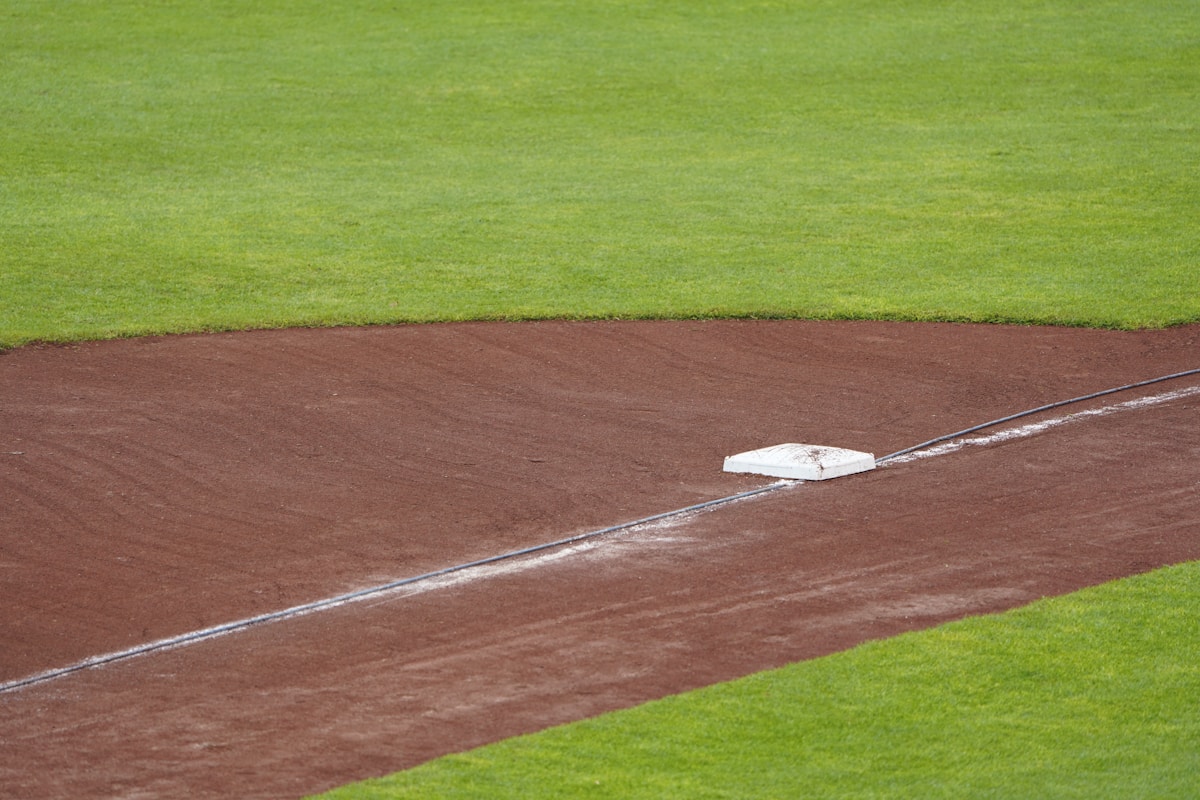
ناحیه پوست شده داخل زمین خاک است: مسیرهای پایه ای که صفحه اصلی را به اول متصل می کند, دوم, و سوم; تپه پارچ و فلات اطراف آن; و جعبه های خمیر صفحه اصلی و مناطق کشویی در اطراف هر پایه. در یک زمینه حرفه ای، این مخلوط خاک رس/شن مهندسی شده تقریباً پوشش می دهد 2,500–3,000 متر², و دریافت می کند صفر چمن مصنوعی. آن رفتار سطح خاکی — روشی که یک لغزنده دوم را می دزدد, روشی که یک بانت می میرد — برای بیسبال اساسی است, و فرش کردن آن بازی را خراب می کند.
محوطه چمن همه چیز دیگر است: میدان بیرونی (از لبه خاکی داخل زمین تا حصار خانگی), علف داخل زمین که دور الماس پوست گرفته می پیچد, و قلمرو ناپاک در هر دو خط. فقط این مناطق فرش می گیرند. این تنها بزرگترین دلیل این است که "چقدر چمن برای یک زمین بیسبال چقدر است” پاسخ واحدی ندارد — سوال واقعا این است که "چقدر فقط چمن منطقه, بعد از اینکه خاک را کم کردید”
خریدارانی که از فوتبال یا هاکی می آیند، زمین ورزشی را یک مستطیل فرش شده فرض می کنند, بنابراین آنها را نقل می کنند کل ردپای میدانی. در یک فیلد با مشخصات MLB که ردپایی وجود دارد 10,500 متر², اما فقط 7500 متر² چمن است. سفارش کامل به معنای خرید 3000 متر است² فرش برای مزرعه پوست کنده — موادی که تحویل می شود, پرداخت شده است, و سپس قراضه شد. همیشه ابتدا کثیفی را کم کنید.
نسبت تقسیم با سطح میدان تغییر می کند. در یک الماس لیگ کوچک، مسیرهای پایه فقط هستند 60 فوت (18.3 متر), بنابراین ناحیه پوست به صورت مطلق کوچکتر است اما هنوز تقریباً نیمی از ردپای بازی است. در یک زمینه حرفه ای 90 فوت (27.4 متر) مسیرهای پایه و میدان بیرونی عمیق سهم چمن را بالاتر می برند. نتیجه این است که درصد سطح چمن از حدود بالا می رود 54% در لیگ کوچک به تقریبا 71% در سطح حرفه ای — دلیل دیگری که سطح میدان ترتیب را دیکته می کند.
سه سطح میدان: 5× تفاوت منطقه
بیسبال توسط هندسه سطح خاص اداره می شود. فواصل حصار, طول مسیر پایه, و عمق میدان همه بین لیگ کوچک تغییر می کند, کالج / دبیرستان, و جوانب مثبت — و هر یک از آن ابعاد مستقیماً در نظم چمن شما جاری می شود. اسپرد بین کوچکترین و بزرگترین سطح ضریب پنج است.
| سطح میدان | کل ردپای میدانی | منطقه چمن (فقط فرش) | تعداد سفارش (+12% هدر دادن) | رول (4متر×25متر) |
|---|---|---|---|---|
| لیگ کوچک | 2800 متر² | 1500 متر² | 1680 متر² | 17 |
| کالج / دبیرستان | ~6500 متر² | ~ 4000 متر² | 4480 متر² | 45 |
| MLB / حرفه ای | 10500 متر² | 7500 متر² | 8400 متر² | 84 |
از 1,500 به 7,500 متر² از چمن — یک 5× تفاوت برای همان ورزش. اشتباه گرفتن سطح یک خطای گرد کردن نیست; این سفارش برای پنج برابر بیش از حد مواد است, یا یک سایت کار که متوقف می شود زیرا محموله است 6,000 متر² کوتاه. سطح زمین را بیان کنید, فاصله مسیر پایه (60 فوت در مقابل 90 فوت), و متر فقط چمن² در هر سفارش خرید.
دیوارهای بیرونی منحنی: چرا ضایعات بیسبال بیشتر است
اینجا جایی است که بیسبال بی سر و صدا بیشتر از هر ورزش مستطیلی برای شما هزینه فرش دارد. زمین فوتبال یک مستطیل تمیز است — رول ها مستقیماً به خط تماس می روند, قطع ها حداقل هستند, و الف 5% کمک هزینه زباله معمولاً آن را پوشش می دهد. زمین بیرونی بیس بال یک شکل هواکش است که با یک محدود شده است حصار منحنی, و آن منحنی دشمن استفاده کارآمد از رول است.
زیرا رول های تولید مستقیم هستند 4 نوار پهن متر, each one running from the infield edge to the outfield wall must be cut to the arc of the home-run fence. The foul-line strips run nearly full length; the centrefield strip is shortest. The offcut triangles left behind cannot be reused — their angles and tapering widths fit nowhere else on the field. The tighter the outfield arc, the more pronounced the offcuts.
That makes the baseball waste factor 10–15%, roughly double the 5–8% a rectangular field allows. And the percentage is not uniform across levels: a Little League outfield has a much tighter radius (fence at ~60 m) than an MLB field (fence at 100+ m to centre), so the curve bites harder on small fields.
| نوع فیلد | Outfield Shape | Recommended Waste | چرا |
|---|---|---|---|
| فوتبال / هاکی (rectangular) | Straight edges | 5–8% | Rolls run flush to the line |
| MLB / Pro baseball | Wide arc, deep fence | 10–12% | Gentle curve, moderate offcuts |
| Little League baseball | Tight arc, حصار کوتاه | 13–15% | منحنی تیز, بریدگی های سنگین |
اگر فقط بودجه دارید 5% ضایعات در یک رشته کالج در انتظار 4,000 متر² از چمن, شما به شدت سقوط می کنید 280 متر² (3 رول ها) کوتاه است و خدمه نصب بیکار می ایستند در حالی که یک سفارش شارژ در سراسر اقیانوس ارسال می شود. همیشه استفاده کنید 10% به عنوان یک زمین برای بیسبال, 13–15% برای لیگ کوچک و هر میدانی با شعاع بیرونی تنگ.
طرح رول: چگونه رول های 4 متری زمین بیس بال را پوشش می دهند
چمن مصنوعی برای کشتی های بیسبال در رول های تولید استاندارد 4 متر عرض × 25 متر طول = 100 متر² هر کدام. استراتژی چیدمان در هر سطح یکسان است: رول ها به صورت طولی از لبه خاکی داخل زمین به سمت دیواره بیرون می روند, کنار هم در عرض زمین قرار می گیرد. سپس هر نوار به خط حصار منحنی بریده می شود.
یک رشته کالج / دبیرستان را با تقریبا 4,000 متر² از چمن. تقسیم بر 100 متر² در هر رول و شما یک پایه از 40 رول ها — قبل از ضایعات. ضریب میدان منحنی را اضافه کنید (12% اینجا) و نظم واقعی به حدود صعود می کند 4,480 متر², یا 45 رول ها. که «+5 رول” کاملاً منحنی محور است; none of it is field area.
| سطح میدان | منطقه چمن | Base Rolls (÷100) | + هدر دادن | Actual Rolls to Order |
|---|---|---|---|---|
| لیگ کوچک | 1500 متر² | 15 | +2 | 17 |
| کالج / HS | ~ 4000 متر² | 40 | +5 | 45 |
| MLB / حرفه ای | 7500 متر² | 75 | +9 | 84 |
Factory pre-cutting is especially valuable on a curved outfield. Supply the site survey’s fence radius and the factory pre-trims each strip to the arc, so the installer lays pre-shaped rolls rather than cutting 80+ rolls to a curve on-site — a saving measured in crew-days and a cleaner seam line where strips meet.
سطوح قیمت: چگونه هزینه واحد در مقیاس کاهش می یابد
The per-m² price of baseball turf steps down sharply as the order grows. A Little League field at ~1,500 m² is a modest purchase; an MLB field at ~7,500 m² is a ton-plus of yarn and a multi-container consignment. That volume unlocks three discounts at once: production setup amortised across more m², bulk yarn procurement, و حمل بار با بار کامل کانتینر به جای ادغام LCL.
| سطح میدان / اندازه | منطقه چمن | قیمت واحد فوب | شرق . هزینه فرش (FOB) |
|---|---|---|---|
| لیگ کوچک | 1500 متر² | $20 – $35/متر² | $30,000 – $52,500 |
| کالج / دبیرستان | ~ 4000 متر² | $15 – $25/متر² | $60,000 – $100,000 |
| MLB / حرفه ای | 7500 متر² | $12 – $20/متر² | $90,000 – $150,000 |
زیرا سفارش MLB بیشترین خرید m², به پایین ترین قیمت واحد در ورزش می رسد — حتی اگر هزینه مطلق بالاترین باشد. درسی برای خریداران کوچکتر: اگر در حال ساختن یک مجتمع چند میدانی هستید, هر الماس را در یک دوره تولید بچینید تا به سطح قیمت بعدی صعود کنید نه اینکه میدان به میدان با نرخ سفارش کوچک سفارش دهید..
وزن, ظروف & حمل و نقل
سفارش چمن بیسبال یکی از سنگین ترین محموله ها در دنیای ورزش های سطحی است, و وزن است — نه مساحت کف — که برنامه کانتینر شما را تعیین می کند. تقریباً در 4.5 کیلوگرم در متر² از فرش تمام شده, اعداد به سرعت بالا می روند.
یک فیلد MLB واحد در 7,500 متر² وزن دارد 33.75 تن متریک — برای یک ظرف خیلی سنگین است, از آنجایی که خطوط حمل و نقل کلاه A 40 فوت مکعب بالا در حدود 26–28 تن بار. در سراسر تقسیم می شود 2 × 40 فوت مقر ظروف. یک رشته کالج در حدود 18 تن برای یک رشته مناسب است 40 فوت مقر. یک میدان لیگ کوچک با وزن 6.75 تن به اندازه کافی برای یک قطعه سبک است 20 کانتینر فوت.
| سطح میدان | منطقه چمن | وزن (~ 4.5 کیلوگرم در متر²) | طرح کانتینر |
|---|---|---|---|
| لیگ کوچک | 1500 متر² | ~6.75 تن | 1 × 20 کانتینر فوت |
| کالج / دبیرستان | ~ 4000 متر² | ~ 18 تن | 1 × 40 فوت مقر |
| MLB / حرفه ای | 7500 متر² | ~ 33.75 تن | 2 × 40 کانتینرهای ft HQ |
زیرا سفارشات بیسبال ظروف اختصاصی را پر می کند, هزینه حمل و نقل در هر متر² بسیار کمتر از محموله های LCL جزئی است — یکی از دلایلی که یک سفارش میدانی کامل بر هر خرید تکهای در اقتصاد واحد غلبه میکند. همیشه تأیید کنید که آیا نقل قول شما FOB است (کارخانه تا بندر بارگیری) یا CIF (به بندر مقصد شما), از آنجایی که تعداد کانتینر بخش CIF از هزینه فرود را هدایت می کند.
نمونه PO: یک زمین بیسبال کالج — لایحه کامل مواد
برای نشان دادن اینکه چگونه هر شکل در این راهنما با هم مطابقت دارد, در اینجا صورتحساب کامل مواد برای زمین بیسبال کالج/دبیرستان آمده است — رایج ترین سفارش B2B در اندازه کامل. هر خط زیر همان چیزی است که در سفارش خرید کارخانه ظاهر می شود.
| مورد خط | محاسبه | مقدار | هزینه واحد FOB |
|---|---|---|---|
| فرش بیسبال چمن | 4,000 متر² × 1.12 | 4,480 متر² | $15 – $25/متر² |
| رول های پیش برش کارخانه ای | 4,480 ÷ 100 | 45 رول ها | گنجانده شده است |
| فرش یدکی (مناطق با سایش بالا) | 2% منطقه چمن | 80 متر² | $15 – $25/متر² |
| نوار درز + چسب | ~20 درز نواری × طول میدان | ~ 400 متر + 90 کلوت | $350 – $600 |
فرش کل: 4,560 متر² (4,480 + 80 یدکی)
مجموع رول ها: 46 (45 + 1 یدکی)
وزن کل: 20.5 متریک تن
FOB تخمینی (فقط فرش): $67,200 – $112,000
حمل و نقل: 1 × 40 کانتینر ft HQ
زمان تولید: 25–40 روز
این همان تفکیک دقیقی است که تامین کننده شما باید به طور دقیق نقل قول کند. سفارش خرید را با این موارد خطی ارسال کنید و کارخانه قیمت را تایید می کند, تولید, و برنامه ریزی ظرف در یک پاسخ — بدون دور شفاف سازی, بدون مقدار شگفتی در تحویل.
پنج اشتباه سفارشی مخصوص بیسبال
پس از تامین سطوح بیسبال برای مدارس, شهرداری ها, و پیمانکاران, همان پنج خطا در سفارشات خرید تکرار می شود — هر کدام یک سفارش ساده را به یک مشکل پرهزینه تبدیل می کند, نه به این دلیل که محصول اشتباه است, اما چون مقادیر و مفروضات اشتباه می کنند.
مزرعه پوست کنده خاک است, فرش نیست. اگر 10500 متر کامل را نقل کنید² رد پای حرفه ای به جای ~ 7500 متر² محوطه چمن, شما بیش از 3000 متر سفارش می دهید² چمنی که جایی برای گذاشتن آن نیست. همیشه ابتدا قسمت پوست را کم کنید.
قوس بیرونی باعث می شود که برش ها غیر قابل استفاده مجدد باشند. بودجه بندی 5% در یک رشته کالج شما را 3 رول کوتاه می کند و خدمه را بیکار می گذارد در حالی که یک بار شارژ ارسال می شود. استفاده کنید 10% حداقل, 13–15% برای کمان های محکم لیگ کوچک.
این نقاط سایش بالا در داخل ناحیه پوست، کثیفی ساده نیستند — آنها از خاک رس بسته بندی مهندسی شده یا ترکیب خاک رس و چمن استفاده می کنند که باید جداگانه تهیه شود. این بخشی از سفارش فرش چمن نیست, اما اگر در پروژه BOQ وجود نداشته باشد، این زمینه غیرقابل پخش است.
خطوط پایه سفید و خطوط خطا معمولاً متمایز هستند, چمن سفید با پرزهای کوتاه تر که به رنگ سبز منبت شده است — روی آن نقاشی نشده است. فراموش کردن این مورد به این معنی است که علامتگذاری فیلد نمیتواند یک ثانیه نصب شود, سفارش عجله مقدار کمی با قیمت واحد برتر دنبال می شود.
مسیر هشدار نوار با رنگ های مختلف است, چمن کوتاه تر (یا سنگ خرد شده) که درست در داخل حصار خارج از زمین اجرا می شود تا به بازیکنی که به سمت دیوار می رود هشدار دهد. نیاز به جدا دارد, مشخصات شمع کوتاه تر — نه همان فرش بیرون زمین. آن را حذف کنید و یا عملکرد ایمنی را از دست بدهید یا مواد اشتباهی را جایگزین کنید.
سوالات متداول
چه مقدار چمن مصنوعی برای یک زمین MLB نیاز دارم?
یک فیلد MLB/pro تقریباً انجام می شود 7,500 متر² منطقه چمن واقعی — مزرعه پوست کنده حذف شده است. 10 اضافه کنید–12% کمک هزینه منحنی خارج از زمین و سفارش در مورد است 8,400 متر², حمل و نقل به عنوان 84 رول ها از 4 متر × 25 متر. وزن کل فرش حدود 33.75 تن, پر کردن دو 40 فوت ظروف مکعبی بالا.
آیا خاک داخل زمین بیسبال فرش می شود؟?
خیر. ناحیه پوست شده — مسیرهای پایه, تپه پارچ, و جعبه های خمیر — به عنوان خاک / خاک مهندسی شده باقی می ماند زیرا این رفتار سطحی برای بازی ضروری است. فقط محوطه بیرونی, چمن داخل زمین, و قلمرو ناپاک فرش مصنوعی دریافت می کنند. دقیقاً به همین دلیل است که فقط چمن m² همیشه بسیار کمتر از کل میدان است.
چرا ضریب ضایعات برای بیسبال بیشتر از فوتبال است?
زیرا میدان بیرونی توسط یک حصار منحنی منحنی محدود شده است, یک خط مستقیم نیست. برش مستقیم 4 m به آن قوس میچرخد، بریدگیهای مخروطی ایجاد میکند که در هیچ جای دیگری مناسب نیست, هل دادن زباله به 10–15% — roughly double the 5–8% یک زمین فوتبال مستطیل شکل اجازه می دهد. کمان های لیگ کوچک تنگتر بیشترین هدر رفتن را دارند.
یک زمین بیسبال کالج به چند کانتینر نیاز دارد?
یک رشته کالج/دبیرستان در مورد سفارش می دهد 4,480 متر² (45 رول ها) وزن کردن ~18 تن, که در یک تک جا می شود 40 فوت مکعب بالا ظرف. یک میدان MLB با وزن 33.75 تن یک کانتینر سرریز می کند و به دو کانتینر نیاز دارد 40 فوت واحدهای ستاد.
هزینه فوب چمن مصنوعی برای زمین بیسبال چقدر است?
محدوده FOB در سراسر سفارشات بیسبال است $12–$35 در هر متر², کنار رفتن با حجم. زمین لیگ کوچک (1,500 متر²) 30000 دلار هزینه دارد–$52,500; یک رشته کالج (4,000 متر²) قیمت 60000 دلار–$100,000; و یک فیلد MLB (7,500 متر²) قیمت 90000 دلار–$150,000. میادین بزرگتر از طریق تولید به کمترین قیمت واحد می رسند, نخ, و کارایی کانتینر.
برای زمین بیسبال خود یک قیمت مستقیم از کارخانه درخواست کنید
سطح رشته خود را برای ما ارسال کنید, ابعاد سطح چمن, و ردیف هدف. ما یک صورتحساب کامل مواد را برمی گردانیم — فرش م², تعداد رول از قبل برش خورده, وزن, طرح کانتینر, و قیمت گذاری FOB — در داخل 24 ساعت. تولید در چین از زمان 2006, صادر می شود 50+ کشورها.
سطح زمین و ابعاد چمن خود را بشناسید? مشخصات پروژه خود را برای ما ارسال کنید یا درخواست یک نقل قول مستقیم — ما یک تفکیک مواد متناسب با مقدار فرش را بر حسب متر برمی گردانیم², تعداد رول از قبل برش خورده, وزن, طرح کانتینر, و قیمت گذاری FOB در داخل 24 ساعت. Relyir از آن زمان چمن مصنوعی ورزشی تولید می کند 2006, صادرات به 50+ کشورها.