
Padel é o esporte de raquete que mais cresce no planeta, com uma estimativa 25 milhões de jogadores em todo o mundo e novas quadras abrindo todos os dias em toda a Europa, o Médio Oriente, e as Américas. Mas ao encomendar grama artificial para uma quadra de padel, a maioria dos compradores esquece a areia – e acaba com uma superfície escorregadia, superfície perigosa que falha meses após a instalação.
A quadra de duplas padrão precisa exatamente 200 m² de carpete. Mas isso é apenas metade da ordem. O preenchimento de areia - aproximadamente 2 toneladas métricas por quadra – é o que torna a superfície jogável. Sem isso, a bola não quicará corretamente, os jogadores deslizarão de forma imprevisível, e as fibras se achatarão e se degradarão muito mais rápido do que sua vida útil nominal. Areia não é acessório para padel; é um componente estrutural da superfície de jogo.
Este guia fornece m² exatos de carpete, contagem de rolos, tonelagem de areia, e custo FOB para 1–8 tribunais, baseado em FIP (Federação Internacional de Padel) dimensões padrão. Esteja você construindo uma única quadra de treinamento ou um complexo comercial de oito quadras, você encontrará as quantidades precisas para colocar em um pedido de compra. Se o seu projeto tiver dimensões fora do padrão, nosso quadra de padel grama artificial especialistas prepararão um orçamento personalizado dentro 24 horas.
Use a calculadora abaixo para obter quantidades exatas para a configuração do seu tribunal.
🎾 Grama Padel & Calculadora de Areia
Obtenha o tapete exato m², rolos, tonelagem de areia & Custo FOB
Dimensões padrão FIP: O 200 m² Linha de base
Cada ordem judicial de padel começa com um único, número fixo: 200 m². O Federação Internacional de Padel (FIP) define a quadra de duplas padrão exatamente 20 m × 10 m = 200 m² da superfície de jogo. Esta é a linha de base que todo fabricante, instalador, e organizador do torneio trabalha de, e está documentado na norma caiu especificação usada em todo o mundo.
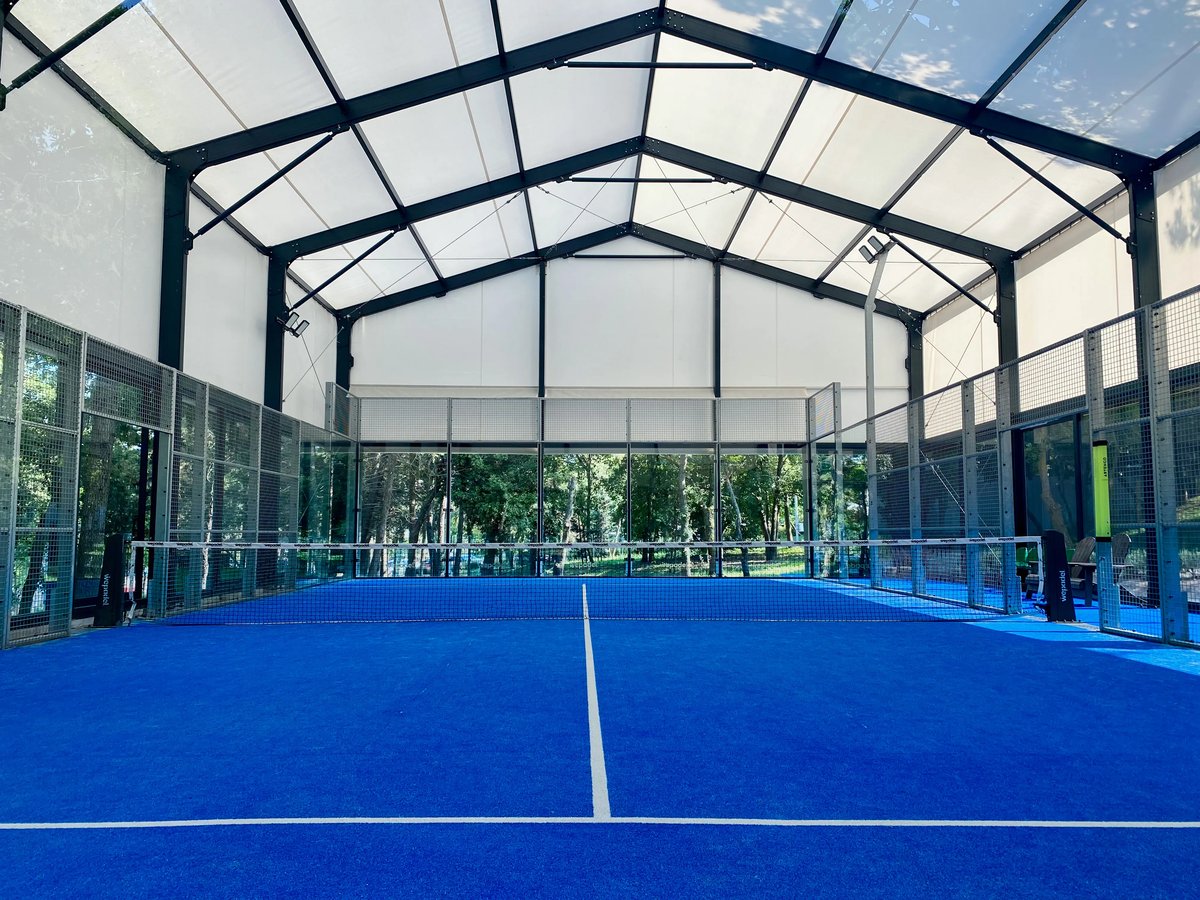
O que torna o padel único entre os esportes de raquete é que a superfície de jogo é totalmente cercada por paredes de vidro. Não há buffer de escoamento a considerar - ao contrário tênis, futebol, ou hóquei, onde metros de margem perimetral devem ser adicionados ao campo de jogo. O carpete é cortado nas dimensões internas exatas da caixa de vidro, não é uma pegada aproximada com margens de segurança.
Isso significa duas coisas para o seu pedido. Primeiro, a área do carpete é uma figura precisa, não é um intervalo - 200 m² para duplos, 120 m² para solteiros. Segundo, porque não há fuga, a cada metro quadrado você solicita mapas diretamente para a superfície jogável. Não há nenhum tapete perimetral desperdiçado escondido dentro do total.
Duplas (Padrão): 20 m × 10 m = 200 m²
Solteiros (Treinamento): 20 m × 6 m = 120 m²
Gabinete: Totalmente com paredes de vidro – não é necessário buffer de escoamento
O carpete é cortado nas dimensões internas exatas
A quadra de solteiros é mais estreita (6 m vs. 10 eu) mas compartilha o mesmo 20 m comprimento. É usado principalmente para instalações de treinamento e prática onde o espaço ou o orçamento são limitados. A maioria dos clubes comerciais de padel constrói exclusivamente quadras duplas, já que as duplas são o formato dominante tanto para jogos recreativos quanto profissionais.
Por que a areia é 50% do seu pedido (E a maioria dos compradores esquece)
Se houver uma lacuna na cadeia de fornecimento de grama artificial de padel, é isso. Os compradores pesquisam meticulosamente as especificações do carpete – altura da pilha, tipo de fibra, dtex, medidor - e então trate a areia como uma nota de rodapé. O resultado é uma quadra que chega com carpete perfeito e zero preenchimento, tornando-o impossível de jogar até que um pedido de areia separado seja obtido, enviado, e espalhar. Na análise SERP competitiva, a maioria das páginas de fornecedores menciona que existe areia, mas quase nenhuma quantifica quanto é necessário. Esta seção preenche essa lacuna.
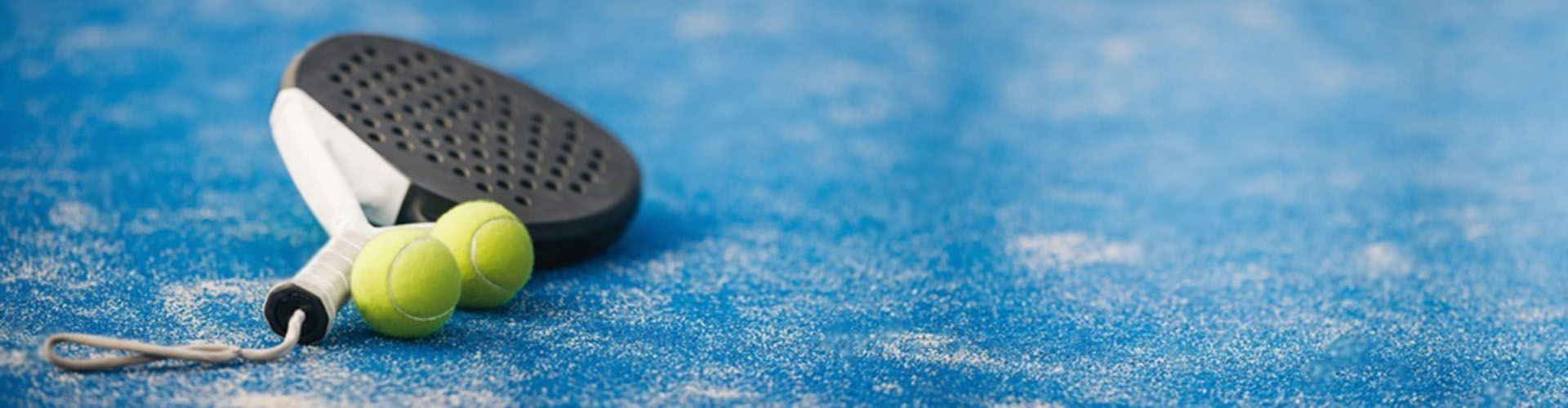
Padel usa grama artificial cheia de areia. A areia não é opcional, decorativo, ou um "bom ter" — é um componente estrutural de suporte da superfície de jogo. As fibras do carpete são projetadas para ficarem em pé dentro de uma camada de areia de sílica graduada, e sem aquele leito de areia, o sistema não funciona.
A areia desempenha quatro funções críticas simultaneamente:
- Regulação do salto da bola: A densidade da areia controla a altura e a rapidez com que a bola quica na superfície. Pouca areia e a bola dispara; demais e morre.
- Aperto do jogador: A camada de areia fornece a tração que os jogadores precisam para paradas repentinas, mudanças direcionais, e movimento lateral. Uma quadra sem areia é um perigo de escorregamento.
- Estabilização de fibra: O peso da areia mantém as fibras da grama artificial em pé, evitando o achatamento prematuro e prolongando a vida útil do carpete de meses para anos.
- Resistência ao fogo: Superfícies preenchidas com areia atendem a padrões mais elevados de segurança contra incêndio do que sistemas não preenchidos, o que é importante tanto para instalações internas quanto para conformidade com seguros.
A taxa padrão de preenchimento de areia para padel é 10 kg/m², com variação aceitável de 8 kg/m² (luz) para 12 kg/m² (pesado) dependendo da altura da pilha e do design da fibra. Para uma única quadra de duplas padrão FIP, a matemática é direta:
200 m² × 10 kg/m² = 2,000 kg = 2 metric tons of sand per court
Amplie isso para um projeto multitribunal e os números aumentarão rapidamente. Para um complexo de oito tribunais: 200 m² × 8 tribunais × 10 kg/m² = 16,000 quilograma = 16 toneladas métricas de areia. Nesse volume, areia é enviada em seu próprio contêiner dedicado e pode representar mais da metade do peso total da remessa.
Layout de rolo: Como rolos de 4m de largura cobrem uma quadra de 10m de largura
A grama artificial Padel é fabricada em rolos padrão: 4 m de largura × 25 m de comprimento = 100 m² por rolo. Este é o mesmo formato de rolo usado na indústria de grama esportiva, e cria um desafio geométrico específico para padel: o tribunal é 10 m de largura, mas o rolo é apenas 4 m de largura. Compreender como esses rolos são dispostos determina a porcentagem de desperdício e a contagem final de rolos.
Para cobrir o 10 m largura de uma quadra de duplas, o instalador precisa de três tiras cortadas dos rolos: um 4 m tira, outro 4 m tira, e um 2 m tira (4 + 4 + 2 = 10). Cada tira percorre toda a 20 m comprimento da quadra. Isso significa que uma única quadra consome material de três rolos separados, com recorte significativo do terceiro rolo.
Para um único tribunal ordenado como rolos padrão, você precisaria 3 rolos: 300 m² de material encomendado para cobrir 200 m² de quadra — um 33% fator de desperdício. É por isso que a maioria dos projetos profissionais de padel usam pré-corte de fábrica: o fabricante corta os rolos nas dimensões exatas da tira necessárias antes do envio, reduzindo drasticamente o desperdício.
Com pré-corte de fábrica e padrão 10% subsídio de desperdício para costuras e acabamentos, a quantidade prática do pedido cai para 220 m² por quadra de duplas (200 m² + 10%). Para projetos multitribunais, o fator de desperdício cai ainda mais porque os cortes do layout de uma quadra alimentam diretamente a próxima.
| Tribunais | Área de carpete (m²) | Quantidade do pedido (m²) | Rolos necessários |
|---|---|---|---|
| 1 tribunal | 200 | 220 | 3 |
| 2 tribunais | 400 | 440 | 5 |
| 4 tribunais | 800 | 880 | 9 |
| 6 tribunais | 1,200 | 1,320 | 14 |
| 8 tribunais | 1,600 | 1,760 | 18 |
A recomendação prática é clara: sempre solicite pré-corte de fábrica para projetos de padel. A fábrica pode cortar tiras com precisão nas dimensões exatas da quadra, reduzindo o desperdício de 33% (rolos padrão) para 10% (pré-cortado), o que economiza custo de material, peso de envio, e tempo de instalação.
Projetos Multijudiciais: A verdadeira economia B2B
A maioria dos compradores de padel B2B não está construindo uma quadra – eles estão construindo de quatro a oito. Um clube comercial de padel normalmente é lançado com quatro quadras para oferecer jogos de duplas simultâneos, enquanto complexos de grande porte e resorts esportivos vão direto para oito quadras para maximizar a receita por metro quadrado de terreno. A economia de uma ordem multijudicial é fundamentalmente diferente de uma compra em um único tribunal, e compreendê-los é o que separa um projeto lucrativo de um projeto superfaturado.
Um clube de quatro quadras ordena 880 m² de carpete (200 m² × 4 × 1.10) e 8 toneladas de areia. Um complexo de oito tribunais ordena 1,760 m² de carpete e 16 toneladas de areia — o suficiente para encher um contêiner de 20 pés como uma remessa dedicada. Nestes volumes, o custo por unidade cai significativamente através do preço direto da fábrica.
A diferença de preços entre os canais direto da fábrica e os canais de distribuição é substancial. Corridas de grama artificial de padel direto da fábrica $18–$ 45 por m² dependendo do tipo de fibra e altura da pilha, enquanto a mesma especificação através de um distribuidor ocidental normalmente custa $40–$70 por m². Em uma ordem judicial de oito 1,760 m², essa diferença pode chegar a dezenas de milhares de dólares – o suficiente para financiar tribunais adicionais, sistemas de vidro, ou iluminação.
| Tamanho do projeto | Tapete (m²) | Rolos | Areia (toneladas) | Peso total | Envio |
|---|---|---|---|---|---|
| 1 tribunal | 220 | 3 | 2 | ~2,4 toneladas | Lcl |
| 2 tribunais | 440 | 5 | 4 | ~4,8 toneladas | Lcl |
| 4 tribunais | 880 | 9 | 8 | ~10 toneladas | Lcl / 20pés |
| 8 tribunais | 1,760 | 18 | 16 | ~20 toneladas | 20contêiner de pés |
Além do custo puro do material, projetos multitribais se beneficiam de logística compartilhada. Uma única ordem de oito tribunais preenche um contêiner de 20 pés, o que é muito mais econômico por metro quadrado do que enviar quatro remessas separadas em dois tribunais. A fábrica também agrupa a produção para um único pedido, garantindo cores e características de fibra consistentes em todas as quadras — um detalhe importante quando as quadras estão lado a lado e visíveis para os jogadores simultaneamente.
Níveis de preços: Como o custo unitário cai 1, 4, e 8 Tribunais
O preço por metro quadrado da grama artificial de padel não é estável – ele cai em níveis à medida que o volume de pedidos aumenta. Um comprador de quadra única pode pagar US$ 45/m² pela mesma especificação que um comprador de oito quadras recebe por US$ 32/m². Compreender onde ocorrem essas reduções de preço permite planejar um projeto multifásico para obter máxima eficiência de custos.
Três fatores impulsionam o desconto por volume. Primeiro, configuração de produção: cada especificação requer uma execução de produção dedicada. Distribuindo esse custo de configuração 1,760 m² em vez de 220 m² reduz drasticamente a sobrecarga por unidade. Segundo, aquisição de matéria-prima: fio, suporte de látex, e areia são compradas por tonelada – pedidos maiores se qualificam para preços em grandes quantidades. Terceiro, eficiência do contêiner: uma ordem de oito tribunais enche um contêiner de 20 pés como uma única remessa, enquanto um único tribunal é enviado como LCL (carga menor que o contêiner) a um custo muito mais alto por metro cúbico.
| Tamanho do pedido | Quantidade do pedido (m²) | Preço unitário FOB | Custo total do carpete | Método de frete |
|---|---|---|---|---|
| 1 tribunal | 220 | $28 – $45 | $6,160 – $9,900 | Lcl (alto $/m²) |
| 4 tribunais | 880 | $22 – $38 | $19,360 – $33,440 | LCL ou FCL de 20 pés |
| 8 tribunais | 1,760 | $18 – $32 | $31,680 – $56,320 | 20pés FCL (menor $/m²) |
As economias são substanciais. Indo de 1 para 4 os tribunais normalmente reduzem o preço unitário em 15–20%. Indo de 4 para 8 os tribunais economizam outros 10-15%. Para um clube que planeja construir em fases, agrupar o pedido do carpete em uma única compra - mesmo que a instalação seja escalonada - pode financiar um tribunal extra inteiro apenas com as economias.
Exemplo de pedido de compra: Um clube de padel de 4 quadras — Lista completa de materiais
Para mostrar como cada quantidade neste guia se encaixa, aqui está a lista completa de materiais para um pedido de clube de padel de 4 quadras do mundo real — o tamanho de projeto comercial mais comum. Cada item de linha abaixo é o que aparece no pedido de compra da fábrica.
| Item de linha | Cálculo | Quantidade | Custo unitário FOB |
|---|---|---|---|
| Tapete padel (12milímetros) | 200 m² × 4 × 1.10 | 880 m² | $22 – $38/m² |
| Rolos pré-cortados de fábrica | 880 ÷ 100 | 9 rolos | incluído |
| Preenchimento de areia sílica | 800 m² × 10 kg/m² | 8,000 kg (8 t) | $80 – US$ 150/tonelada |
| Fita de costura | ~2 costuras × 20m × 4 | ~160m | $0.50 – $ 1,00 / mês |
| Adesivo (2-papel) | ~4 latas | 80 kg | $120 – $200 |
| Tapete sobressalente (reparos) | 10% de 1 tribunal | 20 m² | $440 – $760 |
Tapete total: 900 m² (880 + 20 poupar)
Areia total: 8 toneladas
Total de rolos: 9 (pré-cortado)
Peso total: ~10 toneladas métricas
FOB estimado (somente carpete): $19,360 – $33,440
Envio: LCL ou contêiner de 20 pés
Prazo de produção: 15–25 dias
Esta é a quantidade detalhada que seu fornecedor precisa cotar com precisão. Quando você envia um pedido de compra com esses itens de linha exatos, a fábrica confirma o preço, cronograma de produção, e planejamento de contêineres em uma única resposta — sem necessidade de esclarecimentos.
Peso, Recipientes & Envio
Os materiais das quadras de padel são pesados – mais pesados do que a maioria dos importadores iniciantes esperam. O tapete em si é denso, e o preenchimento de areia adiciona a maior parte do peso da remessa. Planejar a logística em torno do peso real do material é o que determina se seu pedido será enviado com eficiência ou se incorrerá em sobretaxas de frete inesperadas.
Para uma única quadra de duplas, o tapete pesa aproximadamente 400 kg (220 m² × ~1,8 kg/m² para 12 pilha mm), e a areia adiciona outro 2,000 kg (2 toneladas métricas). Peso total do material para uma quadra: aproximadamente 2.4 toneladas. Isso é enviado confortavelmente como carga inferior a um contêiner (Lcl) carga.
Escala para quatro quadras e só o tapete pesa cerca de 1,600 kg, com 8 toneladas de areia - aproximadamente 10 toneladas totais. Isto ainda está dentro da faixa LCL, mas se aproxima do limite em que um contêiner dedicado se torna mais econômico por metro cúbico. Em oito tribunais, o total chega a aproximadamente 20 toneladas (3.2 toneladas de carpete + 16 toneladas de areia), que preenche um padrão 20-contêiner de transporte de pés.
| Tamanho do projeto | Peso do carpete | Peso da Areia | Peso total | Método de envio |
|---|---|---|---|---|
| 1 tribunal | ~400kg | 2,000 kg | ~2,4 toneladas | Lcl |
| 4 tribunais | ~1.600kg | 8,000 kg | ~10 toneladas | LCL ou 20 pés |
| 8 tribunais | ~3.200kg | 16,000 kg | ~20 toneladas | 20contêiner de pés |
Erros de pedido que custam m² e dinheiro

Depois de fornecer quadras de padel para 50+ países, os mesmos erros de quantidade ocorrem em pedidos de compra. Cada um abaixo transforma um pedido simples em um problema caro — não porque o produto esteja errado, mas porque o quantidades estão errados.
200 m² é a superfície de jogo, não a quantidade do pedido. Cada quadra precisa de margem de corte e costura. Encomende exatamente 200 m² e você ficará sem — a última tira será 10–15 m² curto, interromper a instalação enquanto você faz um novo pedido urgente. Sempre adicione 10%: ordem 220 m² por quadra de duplas.
O erro mais prejudicial. Tapete chega, areia não, e o tribunal não pode abrir. No momento em que um pedido de areia separado é obtido e enviado, as fibras podem já ter achatado devido ao tráfego de pedestres durante a instalação. Sempre inclua a tonelagem de areia no mesmo pedido de compra: 2 toneladas por quadra em 10 kg/m².
Produção de rolos padrão de 4m 33% desperdício em uma quadra de 10m de largura (você precisa 4+4+2 = 3 tiras, mas só uso 2 rolos completos de material). O pré-corte na fábrica reduz o desperdício para 10%. Em uma ordem de 4 tribunais, essa é a diferença entre pedir 12 rolos e 9 rolos — um 25% economia de material e menor frete.
Os compradores calculam o peso do carpete, mas esquecem que o preenchimento de areia é 5× mais pesado. Uma ordem de 4 tribunais não é 1.6 toneladas de carpete — isso é 1.6 toneladas de carpete mais 8 toneladas de areia, totalizando ~10 toneladas. Isso determina se você precisa de LCL ou de um contêiner completo. Se errar no peso, você enfrentará sobretaxas de frete ou atrasos alfandegários.
Zonas de alto desgaste (caixas de serviço, área líquida) pode precisar de correção após 3–5 anos. Encomendar uma quantidade exata com zero peças sobressalentes significa que um reparo futuro exigirá uma remessa urgente de pedido mínimo de carpete incompatível. Adicionando 20 m² (10% de um tribunal) ao pedido original custa pouco, mas economiza milhares depois.
Perguntas frequentes
Quanto tempo dura a grama artificial de padel?
Uma superfície de quadra de padel bem especificada dura 8–12 anos com manutenção adequada. Os principais fatores são a estabilização UV (para quadras ao ar livre), níveis corretos de preenchimento de areia mantidos através de recargas periódicas, e instalação profissional com colagem de costura adequada. Instalações comerciais de alto tráfego podem sofrer desgaste mais cedo; tribunais privados com uso mais leve muitas vezes excedem 12 anos antes da substituição.
Posso usar grama normal de quadra de tênis para padel?
Não. Padel requer uma superfície específica projetada para taxas mais altas de preenchimento de areia (8–12 kg/m²) e um determinado textura de fibra que regula o salto da bola dentro da janela de desempenho FIP. Quadra de tênis de grama artificial – seja quadra dura, simulação de argila, ou mesmo cheio de areia - tem alturas de pilha diferentes, densidade, e especificações de preenchimento que não proporcionarão o comportamento correto da bola de padel. Usar grama de tênis para padel produz uma superfície que joga errado e falha mais rápido.
As quadras de padel cobertas precisam de areia?
Sim. O preenchimento com areia é essencial para comportamento da bola, independentemente de a quadra ser interna ou externa. A areia regula o salto, fornece tração ao jogador, e estabiliza as fibras. Uma quadra coberta sem areia teria as mesmas características impossíveis de jogar que uma quadra externa. As quadras cobertas podem usar um grau ou taxa de areia ligeiramente diferente dependendo da altura da pilha (muitas vezes 15 mm premium para interior), mas a areia em si é obrigatória.
Qual é a cor azul nas quadras profissionais de padel?
A superfície de jogo azul é a cor padrão exigida pela FIP para torneios profissionais. A tonalidade específica – um azul médio-escuro – proporciona um contraste visual ideal tanto para os jogadores que acompanham a bola como para as câmaras de transmissão que cobrem o jogo.. Embora as quadras recreativas possam ser verdes, azul agora é o padrão para qualquer quadra destinada a jogos competitivos ou televisionados. A cor é tingida na fibra durante a fabricação, não aplicado posteriormente.
Quanto custa uma quadra de padel completa?
Uma quadra de padel completa – incluindo grama artificial e areia, paredes de vidro, quadro estrutural, cerca de malha, sistema de rede, iluminação, e construção de sub-base – normalmente custa $24,000–$ 65.000 total. A gama depende muito da qualidade do vidro, categoria judicial (Torneio FIP vs recreativo), localização, e se a instalação está incluída. Somente o carpete e a areia representam cerca de 15–25% do custo total do projeto; o vidro e a estrutura respondem pela maioria.
Posso encomendar apenas o carpete se eu adquirir areia localmente?
Sim – e muitos compradores experientes fazem exatamente isso. Obtenção de areia localmente é uma prática comum que elimina de 60 a 80% do peso da remessa e reduz significativamente o custo do frete. A fábrica fornecerá a especificação exata do grau de areia (normalmente areia de sílica arredondada de 0,2–0,6 mm) para que seu fornecedor local atenda ao padrão exigido. Apenas certifique-se de que a areia local atenda às especificações graduadas - o uso de areia de construção genérica comprometerá a jogabilidade da quadra.
Conheça a contagem e as dimensões do seu tribunal? Envie-nos as especificações do seu projeto — retornaremos um detalhamento de material personalizado cobrindo a quantidade de carpete, contagem de rolos pré-cortados de fábrica, tonelagem de areia, plano de contêiner, e preços FOB dentro 24 horas. A Relyir fabrica grama artificial esportiva desde 2006, exportando para 50+ países.