
パデルは地球上で最も急速に成長しているラケット スポーツです, 推定値付き 25 世界中で数百万人のプレイヤーがプレーし、ヨーロッパ全土で毎日新しいコートがオープン, 中東, そしてアメリカ大陸. ただし、パデルコート用の人工芝を注文する場合, ほとんどの購入者は砂のことを忘れてしまい、結局滑りやすくなってしまいます。, 設置後数か月以内に破損する危険な表面.
標準的なダブルスコートがまさに必要とするもの 200 カーペットの㎡. しかし、それは注文の半分にすぎません. 砂の充填 — おおよそ 2 コートあたりのメートルトン - 表面をプレー可能にするもの. それがなければ, ボールは正しくバウンドしません, プレイヤーは予期せぬ滑りをするでしょう, 繊維は平らになり、定格寿命よりもはるかに早く劣化します。. 砂はパデルの付属品ではありません; それは競技面の構造コンポーネントです.
このガイドは正確なカーペットの平方メートルを示します, ロールカウント, 砂のトン数, 1 ~ 8 コートの FOB コスト, に基づく FIP (国際パデル連盟) 標準寸法. 単一のトレーニング コートを建設する場合でも、8 つのコートを備えた商業施設を建設する場合でも, 発注書に出す正確な数量がわかります. プロジェクトの寸法が標準以外の場合, 私たちの パデルコート人工芝 専門家がカスタム見積もりを以内に作成します 24 時間.
コート構成に応じた正確な数量を取得するには、以下の計算機を使用してください。.
🎾 パデルコートグラス & 砂計算機
正確なカーペット m を取得する², ロール, 砂のトン数 & FOBコスト
FIP規格寸法: の 200 m² ベースライン
すべてのパデル裁判所命令は単一の命令から始まります, 固定番号: 200 m². の 国際パデル連盟 (FIP) 標準ダブルスのコートを正確に設定します 20 メートル× 10 m = 200 m² プレー面の. これは各メーカーの基準です, インストーラ, トーナメント主催者の取り組み, そしてそれは標準に文書化されています 落ちた 世界中で使用されている仕様.
パデルがラケット スポーツの中でユニークなのは、プレー面が完全にガラスの壁で囲まれていることです。. とは異なり、考慮すべき流出バッファーはありません。 テニス, フットボール, またはホッケー, 競技フィールドに周囲マージンをメートル追加する必要がある場合. カーペットはガラス筐体の正確な内寸に合わせてカットされます。, 安全マージンを考慮したおおよその設置面積ではありません.
これは、ご注文に関して 2 つのことを意味します. 初め, カーペット面積は正確な数値です, 範囲ではありません — 200 ダブルの場合㎡, 120 シングル向け㎡. 2番, 流出がないので, 注文したすべての平方メートルがプレイ可能なサーフェスに直接マッピングされます. トータルの中に隠された無駄な周囲のカーペットはありません.
ダブルス (標準): 20 メートル× 10 m = 200 m²
シングル (トレーニング): 20 メートル× 6 m = 120 m²
囲い: 完全にガラス張り - 流出バッファーは必要ありません
カーペットは正確な内寸にカットされます
シングルスのコートは狭い (6 メートル対 10 メートル) しかし同じことを共有する 20 長さメートル. 主にスペースや予算が限られているトレーニングや練習施設に使用されます。. ほとんどの商業パデルクラブはダブルス専用コートを建設しています, ダブルスはレクリエーションとプロのプレーの両方で主流のフォーマットであるため.
なぜ砂なのか 50% ご注文の (そしてほとんどの購入者はそれを忘れています)
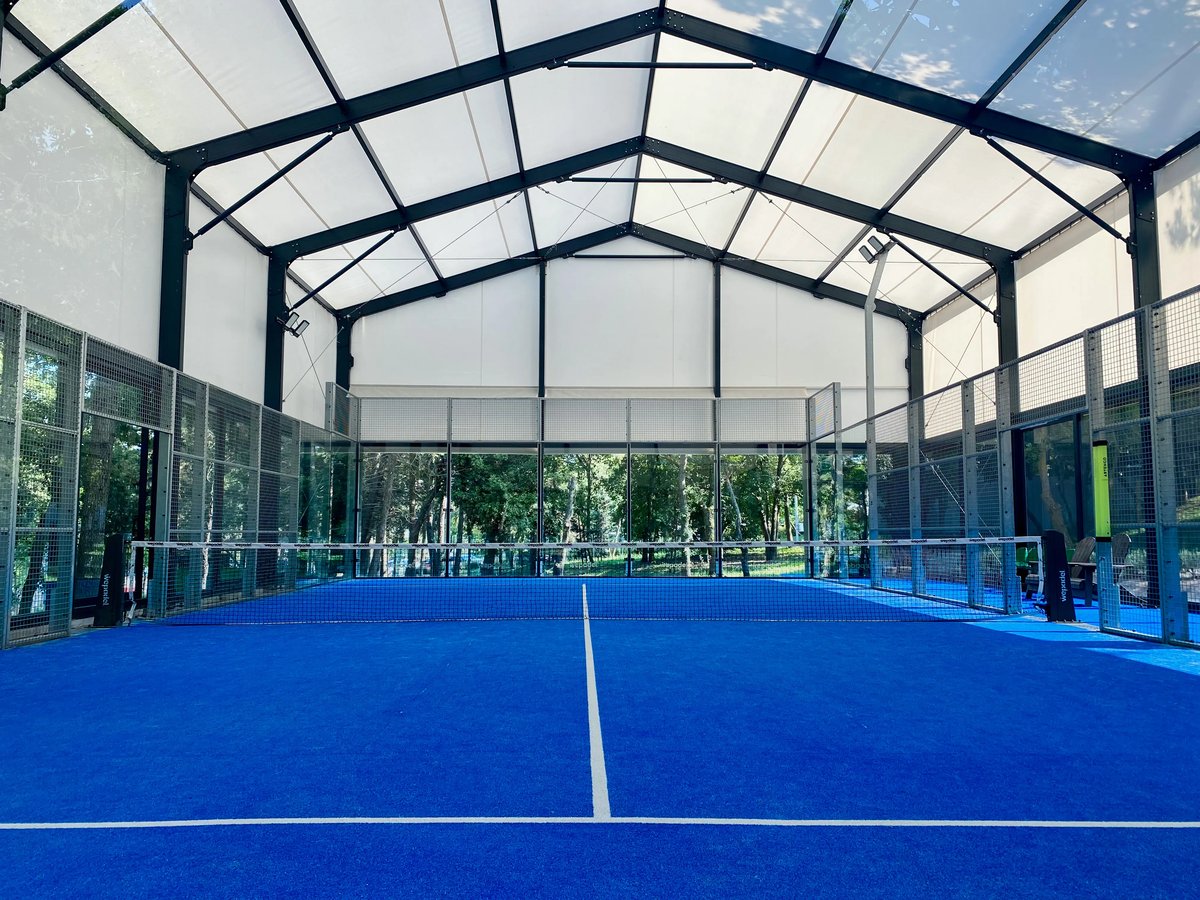
Padel 人工芝のサプライチェーンにギャップが 1 つある場合, これです. バイヤーはカーペットの仕様、つまりパイルの高さを注意深く調査します。, 繊維の種類, デシテックス, ゲージ — そして砂を脚注として扱います. その結果、完璧なカーペットと詰め物のないコートが完成します。, 別のサンド注文が調達されるまでプレイ不能にする, 発送されました, そして広がる. 競合SERP分析において, ほとんどのサプライヤーのページには砂の存在が記載されていますが、必要な量を定量化しているものはほとんどありません。. このセクションではそのギャップを埋めます.
パデルは砂入り人工芝を使用. 砂はオプションではありません, 装飾的な, または "あったらいいな" — 競技面の耐荷重構造コンポーネントです. カーペットの繊維は、段階的な珪砂のベッド内で直立するように設計されています。, そしてその砂床がなければ, システムが機能しない.
砂は 4 つの重要な機能を同時に実行します。:
- ボールバウンス規制: 砂の密度は、ボールが表面から跳ね返る高さと速さを制御します。. 砂が少なすぎるとボールが飛び出す; 多すぎると死ぬ.
- プレーヤーグリップ: 砂の層は、プレーヤーが急停止するときに必要なトラクションを提供します。, 方向転換, そして横方向の動き. 砂が少ないコートは滑る危険があります.
- 繊維の安定化: 砂の重みで人工芝の繊維が直立します。, 早期のへたりを防ぎ、カーペットの耐用年数を数か月から数年に延ばします。.
- 耐火性: 砂が充填された表面は、砂が充填されていないシステムよりも高い防火基準を満たしています, これは屋内施設と保険の遵守の両方にとって重要です.
パデルの標準的な砂充填率は次のとおりです。 10 kg/平方メートル, ~からの許容範囲内の変動 8 kg/平方メートル (ライト) に 12 kg/平方メートル (重い) パイルの高さと繊維のデザインによる. FIP規格ダブルスコート1面の場合, 計算は簡単です:
200 m² × 10 kg/m² = 2,000 kg = 2 metric tons of sand per court
それを複数裁判所のプロジェクトに拡張すると、数字は急速にエスカレートします. 8コートの複合施設の場合: 200 ㎡ × 8 裁判所× 10 kg/平方メートル = 16,000 kg = 16 メートルトンの砂. あのボリュームで, 砂の船は専用のコンテナで輸送され、総輸送重量の半分以上を占めることもあります.
ロールレイアウト: 幅4mのロールが幅10mのコートをカバーする仕組み
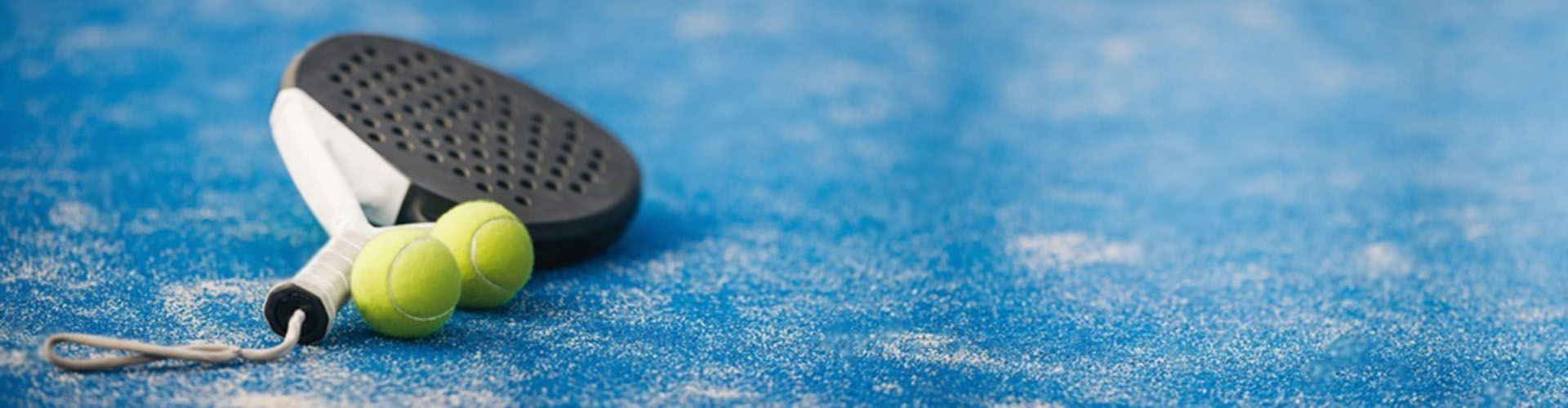
Padel 人工芝は標準ロールで製造されています: 4 幅m× 25 長さメートル = 100 ロールあたりの㎡. これはスポーツグラス業界全体で使用されているのと同じロール形式です, そしてそれはパデルにとって特有の幾何学的な課題を生み出します: 裁判所は 10 幅メートル, しかしロールはただ 4 幅メートル. これらのロールがどのようにレイアウトされているかを理解することで、無駄の割合と最終的なロール数が決まります。.
をカバーするには、 10 ダブルスのコートの幅 m, 設置者はロールから切り取った 3 本のストリップが必要です: ある 4 メートルストリップ, 別の 4 メートルストリップ, そして 2 メートルストリップ (4 + 4 + 2 = 10). 各ストリップはフルに実行されます 20 コートの長さ m. これは、1 つのコートが 3 つの別々のロールからの素材を消費することを意味します, 3 番目のロールからの大幅なオフカットあり.
標準ロールとして注文されたシングルコートの場合, あなたには必要でしょう 3 ロール: 300 カバーするために注文された材料の平方メートル 200 コートの㎡ - a 33% 廃棄物要因. これが、ほとんどのプロの Padel プロジェクトが使用する理由です。 工場でプレカット: メーカーは出荷前に必要な正確なストリップ寸法にロールをカットします。, 無駄を大幅に削減.
工場でプレカットされた標準品付き 10% 縫い目とトリミングの無駄許容量, 実際の注文量は次のように減少します。 220 ダブルスコートあたりの㎡ (200 m² + 10%). マルチコートプロジェクトの場合, あるコートのレイアウトからの端材が次のコートに直接供給されるため、無駄の要素はさらに減少します。.
| 裁判所 | カーペットエリア (m²) | 注文数量 (m²) | 必要なロール |
|---|---|---|---|
| 1 裁判所 | 200 | 220 | 3 |
| 2 裁判所 | 400 | 440 | 5 |
| 4 裁判所 | 800 | 880 | 9 |
| 6 裁判所 | 1,200 | 1,320 | 14 |
| 8 裁判所 | 1,600 | 1,760 | 18 |
実際的な推奨事項は明らかです: Padel プロジェクトの場合は常に工場でのプレカットをリクエストしてください. 工場では正確なコート寸法に合わせてストリップを精密にカットできます。, ~からの廃棄物を削減する 33% (標準ロール) に 10% (プレカット), 材料費を節約できる, 発送重量, そして取り付け時間.
マルチコートプロジェクト: 本当の B2B 経済学
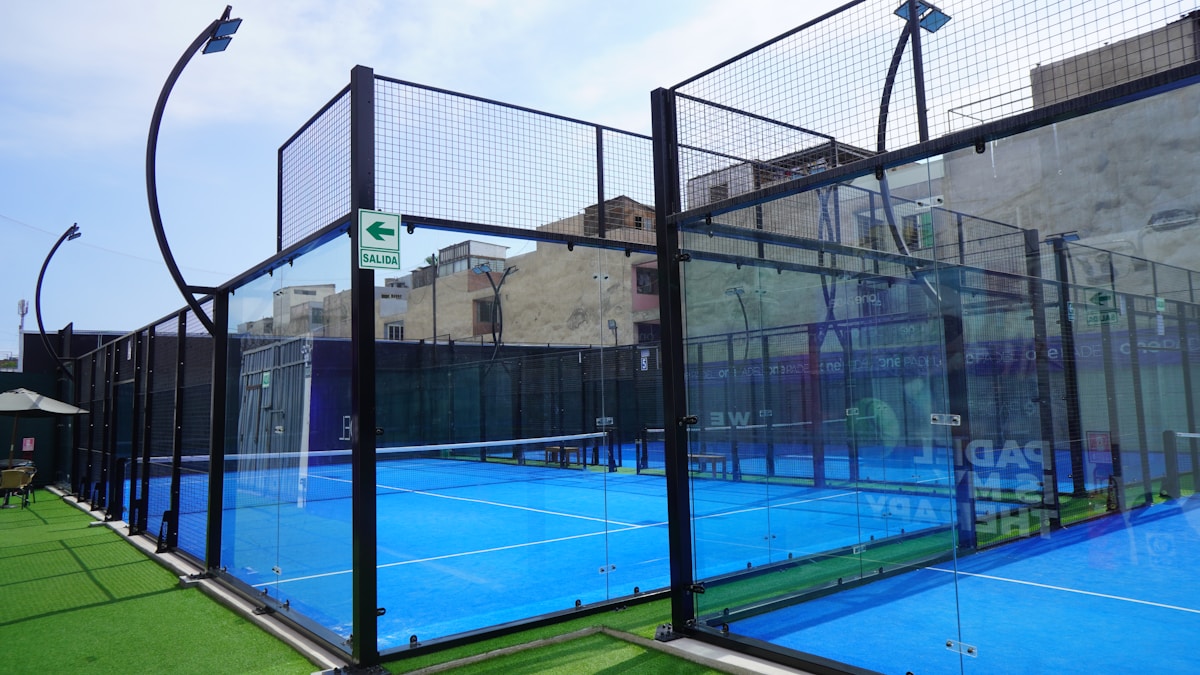
ほとんどの B2B Padel バイヤーは 1 つのコートを建設しているのではなく、4 ~ 8 つのコートを建設しています。. 商業パデルクラブは通常、同時ダブルスプレイを提供するために 4 つのコートで立ち上げられます。, 一方、大規模な複合施設やスポーツリゾートは、土地平方メートル当たりの収益を最大化するために、8 つの裁判所に直接アクセスします。. 複数裁判所の発注の経済性は、単一裁判所の購入とは根本的に異なります, それらを理解することが、収益性の高いプロジェクトと高値のプロジェクトを分けるものとなります.
4 つのコートを持つクラブのオーダー 880 カーペットの㎡ (200 ㎡ × 4 × 1.10) そして 8 大量の砂. 8 つのコートからなる複合施設のオーダー 1,760 カーペットの㎡ そして 16 大量の砂 — 専用の積荷として 20 フィートの輸送コンテナを満たすのに十分な量. このボリュームで, 工場直接価格設定により、ユニットあたりのコストが大幅に下がります.
工場直販チャネルと販売チャネル間の価格差はかなり大きい. 工場直送のパデル人工芝ラン $18–$45/㎡ 繊維の種類とパイルの高さによる, 一方、西側の代理店を通じて同じ仕様を提供すると、通常は費用がかかります $40–$70/㎡. 8裁判所の命令により、 1,760 m², その差額は数万ドルに達する可能性があり、追加の裁判所に資金を提供するのに十分な額です, ガラスシステム, または照明.
| プロジェクトの規模 | カーペット (m²) | ロール | 砂 (トン) | 総重量 | 配送 |
|---|---|---|---|---|---|
| 1 裁判所 | 220 | 3 | 2 | ~2.4トン | LCL |
| 2 裁判所 | 440 | 5 | 4 | ~4.8トン | LCL |
| 4 裁判所 | 880 | 9 | 8 | ~10トン | LCL / 20フィート |
| 8 裁判所 | 1,760 | 18 | 16 | ~20トン | 20フィートコンテナ |
純粋な材料コストを超えて, マルチコートプロジェクトは物流の共有から恩恵を受ける. 1 回の 8 コート注文で 20 フィートのコンテナ 1 個分になります, これは、2 つのコートに 4 つの個別の委託品を発送するよりも、平方メートルあたりのコスト効率がはるかに優れています。. 工場では単一の注文に対してバッチ生産も行っています, すべてのコートで一貫した色と繊維の特性を確保します。これは、コートが隣り合ってプレーヤーに同時に見える場合に重要になります。.
価格帯: 単価がどのように下がるのか 1, 4, そして 8 裁判所
パデル人工芝の平方メートルあたりの価格は一定ではなく、注文量が増加するにつれて段階的に下がります。. 単一コートの購入者は、8 コートの購入者が 32 ドル/㎡ で得られるのと同じ仕様に対して 45 ドル/㎡ を支払う可能性があります。. これらの価格変動がどこで発生するかを理解することで、最大のコスト効率を実現する複数フェーズのプロジェクトを計画できます。.
ボリューム ディスカウントを促進する 3 つの要因. 初め, 生産セットアップ: 各仕様には専用の生産実行が必要です. セットアップコストを全体に分散する 1,760 代わりに m² 220 m² はユニットあたりのオーバーヘッドを大幅に削減します. 2番, 原材料の調達: 糸, ラテックス裏地, 砂はトン単位で購入されます。大量の注文には一括価格が適用されます. 三番目, コンテナ効率: 8 裁判所の注文は 20 フィートのコンテナを 1 つの貨物として満たします, 一方、単一のコートは LCL として出荷されます (コンテナ積載量未満) 立方メートルあたりのコストがはるかに高くなります.
| 注文サイズ | 注文数量 (m²) | FOB単価 | カーペットの総コスト | 運送方法 |
|---|---|---|---|---|
| 1 裁判所 | 220 | $28 – $45 | $6,160 – $9,900 | LCL (1平方メートルあたりの価格が高い) |
| 4 裁判所 | 880 | $22 – $38 | $19,360 – $33,440 | LCLまたは20フィートFCL |
| 8 裁判所 | 1,760 | $18 – $32 | $31,680 – $56,320 | 20フィートFCL (最低額/平方メートル) |
大幅な節約が可能. 出発地 1 に 4 裁判所は通常、単価を 15 ~ 20% 引き下げます。. 出発地 4 に 8 裁判所はさらに 10 ~ 15% 節約します. 段階的に構築を計画しているクラブの場合, カーペットの注文を 1 回の購入にまとめれば、たとえ設置が時間差であったとしても、節約した分だけで追加のコート全体を賄うことができます。.
サンプルPO: 4コートのパデルクラブ — 部品表を完成させる
このガイドの各数量がどのように組み合わされるかを示すには, これは、実際の 4 コート パデル クラブの注文の完全な部品表です。 — 最も一般的な商業プロジェクトの規模. 以下の各項目は工場発注書に表示されるものです.
| 品目 | 計算 | 量 | FOB単価 |
|---|---|---|---|
| パデルカーペット (12mm) | 200 ㎡ × 4 × 1.10 | 880 m² | $22 – $38/㎡ |
| 工場でプレカットされたロール | 880 ÷ 100 | 9 ロール | 含まれています |
| 珪砂充填 | 800 ㎡ × 10 kg/平方メートル | 8,000 kg (8 t) | $80 – 150ドル/トン |
| シームテープ | ~2シーム×20m× 4 | ~160メートル | $0.50 – $1.00/月 |
| 接着剤 (2-一部) | ~4缶 | 80 kg | $120 – $200 |
| 予備のカーペット (修理) | 10% の 1 裁判所 | 20 m² | $440 – $760 |
トータルカーペット: 900 m² (880 + 20 スペア)
総砂: 8 トン
総ロール数: 9 (プレカット)
総重量: ~10トン
推定FOB (カーペットのみ): $19,360 – $33,440
配送: LCLまたは20フィートコンテナ
生産リードタイム: 15–25日
これはサプライヤーが正確に見積もる必要がある数量の内訳です. これらの項目を含む注文書を送信すると、, 工場が価格を確認する, 生産スケジュール, 単一の応答でコンテナ計画を作成できるため、何度も説明する必要はありません.
重さ, コンテナ & 配送
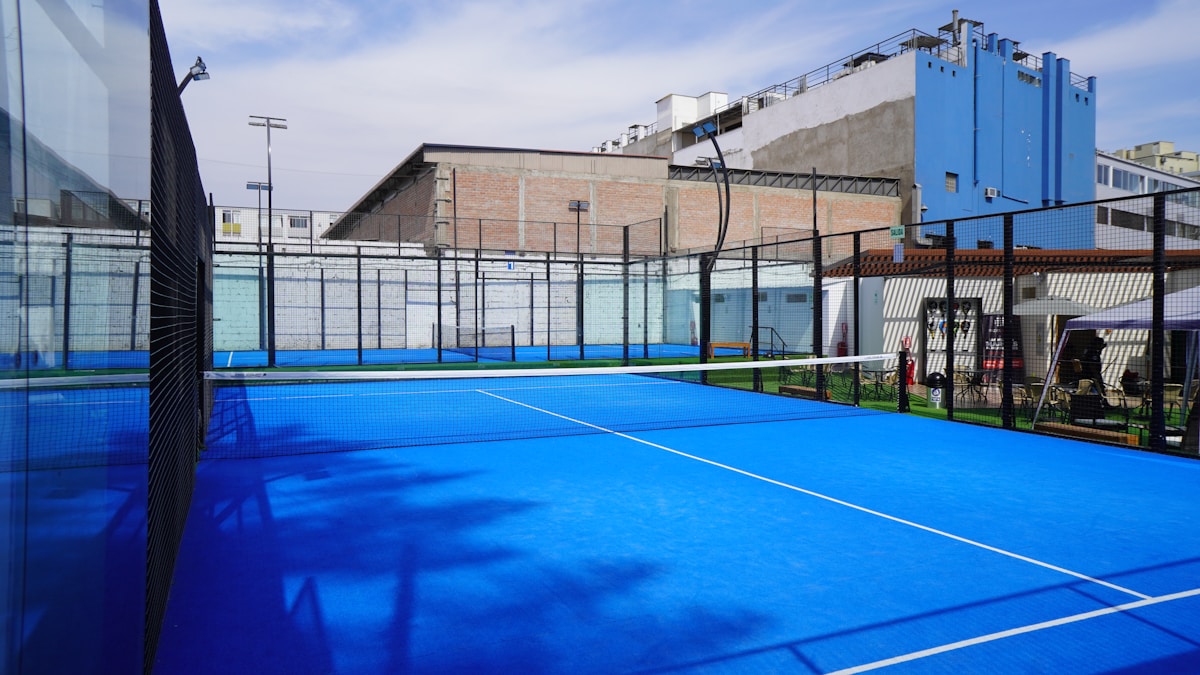
パデルのコート素材は重い - ほとんどの初めて輸入する業者が予想するよりも重い. カーペット自体が緻密です, 砂の詰め物が出荷重量の大部分を増加させます. 実際の材料重量に基づいて物流を計画することが、注文品が効率的に発送されるか、予期せぬ運賃追加料金が発生するかを決定します。.
シングルダブルスコートの場合, カーペットの重さはおよそ 400 kg (220 m² × ~1.8 kg/m² 12 mmパイル), そして砂がさらに追加します 2,000 kg (2 メートルトン). コート1枚あたりの材料の総重量: 約 2.4 トン. コンテナよりも少ない荷物で快適に配送できます (LCL) 貨物.
コート 4 面まで拡張すると、カーペットだけで約 5 メートルの重さになります 1,600 kg, と 8 大量の砂 - おおよそ 10 合計トン. これはまだ LCL の範囲内ですが、立方メートルあたり専用コンテナの方が経済的になる閾値に近づいています。. 8つの法廷で, 合計は約に達します 20 トン (3.2 トンカーペット + 16 砂トン), 基準を満たすもの 20-フット輸送コンテナ.
| プロジェクトの規模 | カーペットの重量 | 砂の重量 | 総重量 | 配送方法 |
|---|---|---|---|---|
| 1 裁判所 | ~400kg | 2,000 kg | ~2.4トン | LCL |
| 4 裁判所 | ~1,600kg | 8,000 kg | ~10トン | LCLまたは20フィート |
| 8 裁判所 | ~3,200kg | 16,000 kg | ~20トン | 20フィートコンテナ |
注文ミスで㎡と費用が発生する

パデルコートを供給した後、 50+ 国, 発注書で同じ数量のエラーが再発する. 以下のそれぞれは、簡単な注文をコストのかかる問題に変えます。 — 製品が間違っているからではありません, しかし、 数量 間違っています.
200 m²はプレー面です, 注文数量ではありません. どのコートでも裁断と縫い代が必要です. 正確に注文する 200 m²では不足してしまいます — 最後のストリップは 10 になります–15 ㎡ショート, 急ぎの再注文中にインストールを停止する. 常に追加する 10%: 注文 220 ダブルスコートあたりの㎡.
最も有害な単一のエラー. カーペットが到着, 砂はそうではありません, そして法廷は開かれない. 別の砂の注文が調達されて出荷されるまでに, ファイバーは設置中に人の通行によりすでに平らになっている可能性があります. 同じ注文書には常に砂のトン数を含めてください: 2 コートあたりトン 10 kg/平方メートル.
標準4mロール生産 33% 幅10メートルのコートに廃棄物を置く (あなたが必要です 4+4+2 = 3 ストリップ, ただし使用するだけ 2 フルロール分の材料). 工場でプレカットすることで廃棄物を削減し、 10%. 4コートオーダーの場合, それが注文の違いです 12 ロールと 9 ロール — ある 25% 資材の節約と運賃の削減.
購入者はカーペットの重量を計算しますが、砂の充填量が 5 であることを忘れています× 重い. 4コートオーダーは不可 1.6 大量のカーペット — それはです 1.6 大量のカーペット プラス 8 大量の砂, 合計約10トン. これにより、LCL が必要かコンテナ全体が必要かが決まります。. 重量を間違えると、運賃追加料金や税関遅延が発生する可能性があります.
高摩耗ゾーン (サービスボックス, ネットエリア) 3 以降はパッチが必要になる場合があります–5 年. スペアなしで正確な数量を注文するということは、将来の修理には、適合しないカーペットの最小注文の急ぎ出荷が必要になることを意味します。. 追加 20 m² (10% ある裁判所の) 最初の注文にはほとんどコストがかかりませんが、後で数千ドルを節約できます.
よくある質問
パデル人工芝はどのくらい長持ちしますか?
適切に仕様化されたパデルコートの表面が持続します 8–12年 適切なメンテナンスを行うことで. 重要な要素はUV安定化です (屋外コート用), 定期的な補充により正しい砂充填レベルが維持される, 適切な縫い目接着による専門的な取り付け. 交通量の多い商業施設は早期に磨耗の上限が見られる可能性がある; 利用が軽い私設裁判所は多くの場合、 12 交換の数年前.
パデルに通常のテニスコートの芝生を使用できますか??
いいえ. Padel には、次のように設計された特定の表面が必要です。 砂の充填率が高い (8–12kg/m²) そして特定の 繊維の質感 FIP パフォーマンスウィンドウ内でボールの跳ね返りを調整します。. テニスコート人工芝 - ハードコートかどうか, 粘土シミュレーション, または砂で満たされた場合でも、山の高さは異なります, 密度, パデルボールの正しい挙動を実現しないインフィル仕様. パデルにテニスグラスを使用すると、表面が間違ってプレーし、失敗が早くなります.
屋内パデルコートには砂が必要ですか?
はい. 砂の充填は必須です コートが屋内か屋外かに関係なく、ボールの挙動. 砂がバウンスを調整する, プレーヤーにトラクションを提供する, そして繊維を安定させます. 砂のない屋内コートは、屋外コートと同じようにプレーできない特性を持ちます。. 屋内コートでは、杭の高さに応じて、わずかに異なる砂のグレードまたは割合が使用される場合があります。 (頻繁 15 mmプレミアム屋内用), ただし砂自体は必須です.
プロのパデルコートの青色は何ですか?
青いプレー面は、 FIPがプロトーナメントに要求する標準色. 特定の色合い - 中程度の濃い青 - は、ボールを追跡するプレーヤーと試合をカバーする放送カメラの両方に最適な視覚的コントラストを提供します。. レクリエーションコートは緑になる可能性がありますが、, 現在、競技またはテレビ放映を目的としたコートでは青がデフォルトになっています. 製造時に色が繊維に染まる, 後から適用されない.
パデルコートのフルコートの料金はいくらですか?
人工芝と砂を含む完全なパデルコート, ガラスの壁, 構造フレーム, メッシュフェンス, ネットシステム, 点灯, およびサブベースの建設 - 通常は費用がかかります $24,000–65,000ドル 合計. 範囲はガラスの品質に大きく依存します, 法廷カテゴリー (FIPトーナメント vs レクリエーション), 位置, インストールが含まれるかどうか. カーペットと砂だけで、総プロジェクト費用の約 15 ~ 25% に相当します。; ガラスと構造物が大部分を占めます.
砂を地元で調達した場合、カーペットだけを注文できますか?
はい、多くの経験豊富なバイヤーはまさにこれを行っています. 砂は地元で調達 これは出荷重量の 60 ~ 80% を削減し、輸送コストを大幅に削減する一般的な方法です。. 工場は正確な砂グレードの仕様を提供します (通常は 0.2 ~ 0.6 mm の丸い珪砂) 地元のサプライヤーが必要な基準に適合するようにする. 地元の砂がグレードの仕様を満たしていることを確認してください。一般的なビルダー砂を使用すると、コートのプレイアビリティが損なわれます。.
コートの数と寸法を知る? プロジェクトの仕様書をお送りください — カーペットの数量をカバーする、カスタマイズされた素材の内訳を返信します。, 工場出荷時のプレカットロール数, 砂のトン数, コンテナプラン, およびFOB価格設定以内 24 時間. ルリールはスポーツ用人工芝を製造して以来、 2006, に輸出する 50+ 国.