
以来 2012, 1 つのカーペットをご注文いただくと、男性用と女性用の両方の試合に対応します. 世界ラクロス統一フィールドは正確に測定されます 110 メートル× 60 メートル — 6,600 カーペットの平方メートル - この数字があらゆる量の基準となります, ロールカウント, 容器, このページの価格と. 計算を間違えると、インストーラは最後のストリップで芝生を使い果たすか、 (再注文が中国から発送されるまで4週間待つ) または、一度カットすると工場が取り返しのつかない数百平方メートルの代金を支払う.
統合されたフットプリントにより、ラクロス調達が異常にクリーンになります. 60 メートルは正確に 15 に分割されます 4 m幅ロール, メンズとウィメンズのラインセットは単一の生産バッチを共有します, そして全体 6,600 m² フィールドは 1 つにまとめて出荷されます 40 フィートハイキューブコンテナ. このガイドでは、すべてのラクロス構成の正確な平方メートルを歩きます - 統一, ホッケー用に改良された, フットボールと共有 — デュアルラインインレイの計算, ロールレイアウト, FOB価格帯, そして成立した発注書. 貴社のサイトに合わせた部品表の場合, 私たちの 人工芝 チームは内側に1人を返す 24 時間.
フィールドのサイズとプロジェクトの規模に応じた正確な数量を得るには、以下の計算機を使用してください。.
🏐 ラクロスフィールドの芝生計算機
フィールド平方メートルを計算する, ロール & メンズの料金 & 女子ラクロス
スポーツの現代のほとんどの時代において, ラクロスバイヤーは指定する必要がありました まったく異なる2つのカーペット. 男子の試合は帝国単位で行われた 110 ヤード× 60 yd — 女子の試合ではメートル法エンベロープが使用されましたが、 120 メートル× 60 メートル. 2 つのフィールド サイズは 2 つのロール レイアウトを意味します, 2つのラインセット, 両方のプログラムを実行する学校またはクラブ向けの 2 つの別々の注文書. その重複は で消えました 2012.
その時点で 2012 総会, 国際ラクロス連盟 (フィル, 今 世界ラクロス) を批准した 統一フィールド 標準. 両方のコードが単一の長方形上で競合するようになりました。: 110 長さメートル× 60 幅メートル = 6,600 m² (について 7,974 平方ヤード). 調達への影響は直接的です。1 つのカーペットの注文で男性用と女性用の両方のプログラムが提供されます。. 長方形の内側で線のジオメトリが異なります, しかし、グリーンフットプリントはそうではありません.
統合フィールドのサイズも、既存のインフラストラクチャに適応できるように調整されました。. ホッケーピッチ全体のサイズ 91.4 メートル× 55 メートル, そしてラクロスの長方形は次のようになります 変更されたダウン すでにホッケー競技場をホストしているサイトの枠に適合するように. この柔軟性が、多くのキャンパスがホッケー スタイルのベースの上に世界ラクロスのカーペットを 1 枚敷いて、同じ設備で 3 つのスポーツを実施している理由です。.
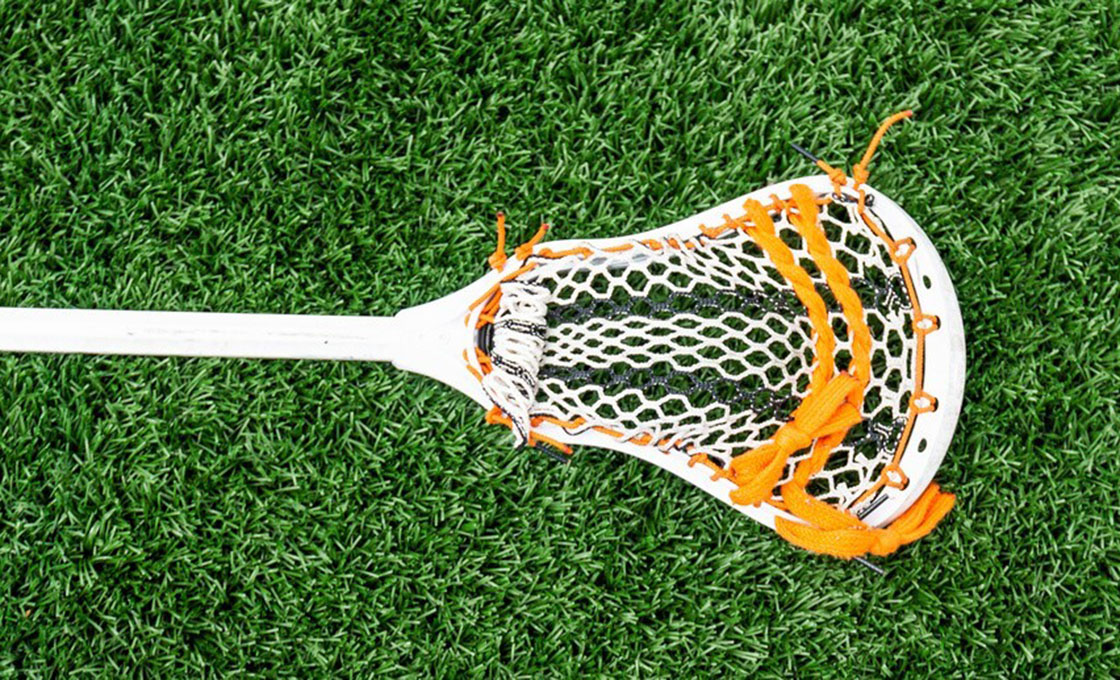
デュアルラインインレイ: 2つのスポーツ, 芝生バッチ 1 つ
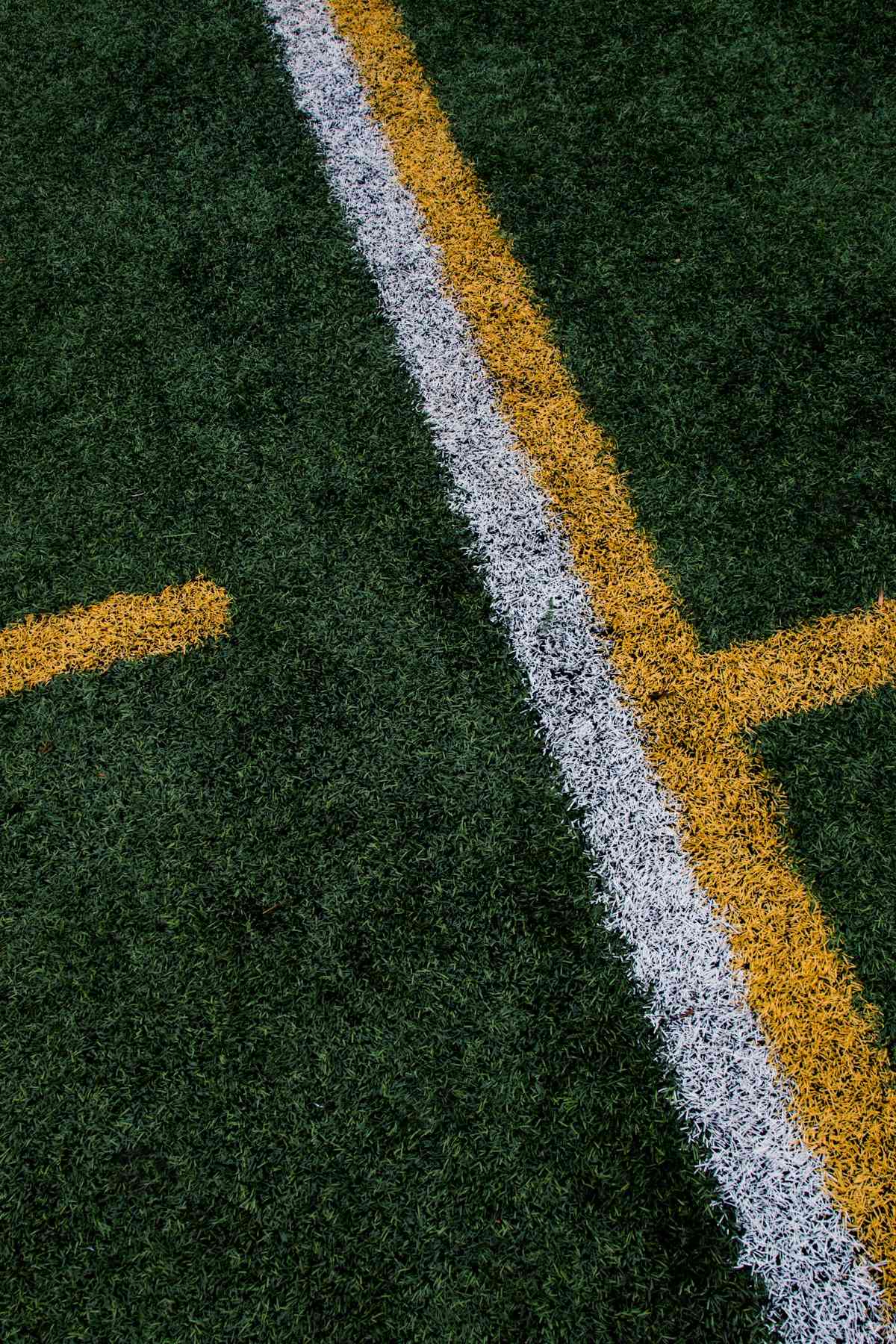
統一されたフィールドは 1 つのカーペットを共有します, しかしそれは運ぶ マーキングの完全なセット 2 つ. 男性用のレイアウトと女性用のレイアウトは大きく異なるため、両方を表面にふさわさなければなりません, それを最もきれいに行う方法は、グリーンフィールドカーペットと同じ染料ロットで製造された工場象嵌です。.
男子のマーキングにはゴールエリアのラインセットが含まれます 18 ゴールまであとm, フェイスオフXから伸びるウイングライン, の代替ゲート 13 メートル, そしてフェイスオフXそのもの. 女性のマーキングは別の拘束ラインを使用します 25 各ゴールからメートル, の中心円 9 半径メートル, そしてゴールサークルは 3 半径メートル. どちらのセットも対照的な色で象嵌されています - 従来通り メンズラインは白、ウィメンズラインは黄色 —それで選手たちは, 関係者や放送カメラが一目で正確な形状を読み取ることができます.
ラインターフ自体に意味のある量. 二重線の統合フィールドは通常、 200– 300㎡のカラーライン芝, 両方のジオメトリが同じフットプリント内で重なるため、単一スポーツのレイアウトに必要なレイアウトよりもわずかに多くなります。. ラインターフはグリーンと同じ生産バッチから切り出され、同じロットで染色されています。これは交渉の余地のない要件です。, 不一致の染料ロットはフィールドとラインの間の目に見える色の段差として現れ、どれだけブラッシングしても隠れないためです。.
追加のスポーツを同じバッチに追加できます. フットボールのヤードライン, サッカーのセンターサークル, または、フィールドホッケーの境界マークはすべて、ラクロスのジオメトリに沿って工場で埋め込むことができます, 生産開始前にレイアウトが固定されている場合. 注文がロックされたら, 工場はカーペットの総数量内ですべてのラインをカットします.
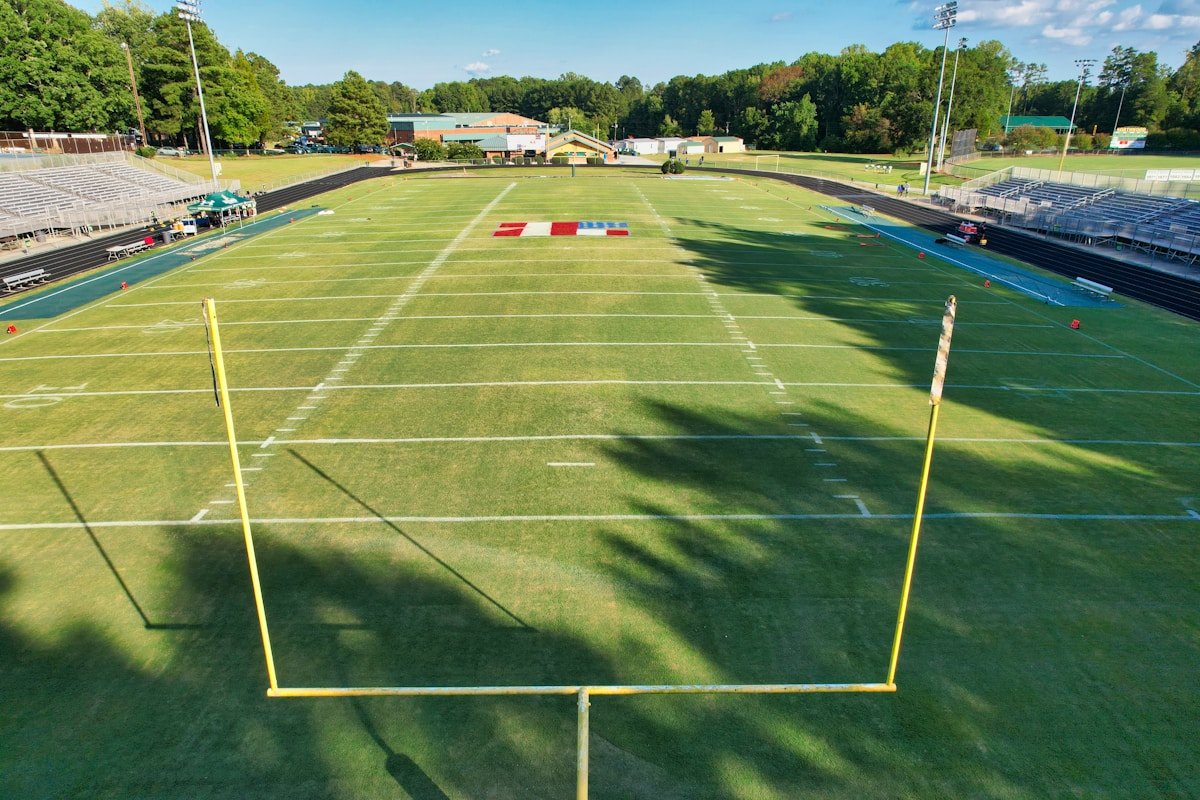
ラクロス場 (110 メートル× 60 メートル) FIFAサッカー場の中に座っている (105 メートル× 68 メートル) 余裕のある, 2 つの長方形は、多くの学校が配置できるエリアに十分近いです。, 大学, そして自治体が建設する カーペット1枚 両方のスポーツをホストします. これは、マルチスポーツのキャンパス計画において最も一般的な調達パターンの 1 つです。.
共有フィールドはサッカーボールの幅に合わせて作られています. フットボールは 2 つの競技のうち、幅広い方です。 68 M対ラクロス 60 メートル, カーペットはフットボールのフットプリントに合わせて配置され、ラクロスの境界線がはめ込まれています 4 各タッチライン内側のメートル. 両方のラインセット (フットボールヤードラインとラクロス抑制ライン) は、同じ生産工程で工場でタフト化されます。, そのため、設置したその日からスポーツをプレイできる状態でサーフェスが到着します。.
経済性が決定的だ. 2 つの専用ピッチを構築 - 1 つはラクロス, 1 つのフットボール — 2 つのベースを意味します, 2つの排水システム, 2つの照明ラン, および 2 つの別々のカーペットの注文. ピッチを共有すると、両方のスポーツが 1 つにまとめられます 7,140 m² のカーペットと 1 セットのインフラストラクチャ. 共有アプローチは通常、 総平方メートルコストをおよそ削減します 30% 2 つの別々のフィールドを構築することに反対, それが大学や地方自治体の市場を支配している理由です.
の 60 m幅の利点: クリーンロール計算
人工芝を購入するあらゆるスポーツについて, ラクロスは最もクリーンなロールレイアウトを持っています - その理由は単一部門にあります. 標準的なスポーツターフはロールで製造されます 4 幅メートル, そして統一フィールドはまさに 60 幅メートル. 60 を 4 で割ると 15 になります, 残りなしで:
60 m ÷ 4 m per roll = exactly 15 strips — no fractional rolls, no offcuts
このクリーンな区分が、ラクロスが他のほとんどのフィールド スポーツよりも廃棄物の排出量が少ない理由です。. サッカーで 68 mは次のように分割されます 17 ストリップ (まだきれいな), でもテニス, ホッケーやマルチスポーツのコートでは、扱いにくいフラクショナル ストリップが生成され、 10% 廃棄物許容量. ラクロスの 15 ストリップ レイアウトがベンチマーク.
長さは小さな非効率を隠します. それぞれの 15 ストリップは全体にまたがる必要があります 110 長さメートル. スタンダードなロールは、 25 長さメートル, それで 110 ÷ 25 = 4.4 ストリップごとの長さ – 各ストリップに必要な長さを意味します 5ロールの長さ 遠くのエンドラインに到達するために, 回復可能なもので 15 ラインターフと周囲のトリムとなるストリップごとの m オフカット. ストリップを逆方向に実行する (110 メートル÷ 4 m = 27.5 ストリップ× 25 メートル) さらに悪いことに、ストリップが半分になり、継ぎ目が多くなります。.
したがって、最適なレイアウトは次のようになります。 15 を横切るストリップ 60 幅m, 各ストリップはフルに実行されます 110 長さメートル, おおよそから構築されています 5 ストリップあたりのロール数. プレミアムプロジェクト向け, 工場はカスタムを生産することもできます 110 m の連続長ロールなので、各ストリップは継ぎ目なしで届きます.
ロールのレイアウトと総数
ジオメトリを固定した状態で, 合計量がきれいに落ちます. 以下の 3 つの構成は、ラクロス オーダーの圧倒的多数、つまり統一フィールドをカバーします。, ホッケーピッチの修正, サッカー場と共有のピッチ.
| 構成 | 寸法 | フィールド㎡ | + 5% 無駄 | ロール (100 m²) |
|---|---|---|---|---|
| 統一フィールド | 110 メートル× 60 メートル | 6,600 m² | 6,930 m² | 70 ロール |
| ホッケーのピッチ用に修正 | 91.4 メートル× 55 メートル | 5,027 m² | 5,278 m² | 53 ロール |
| サッカーと共有 | 105 メートル× 68 メートル | 7,140 m² | 7,497 m² | 75 ロール |
統一フィールド: 6,930 ㎡注文 → 70 のロール 4 メートル× 25 メートル
6,600 プレイエリア㎡ + 5% 廃棄物許容量は周囲の流出をカバーします, ラインインレイ, そして縫い目のトリム.
価格帯
ラクロスカーペットのFOB価格は以下からです $10 に $25 m²あたり, 注文が到着する段階は、実際の量ではなく仕様によって設定されます。. ラテックスの裏地にモノフィラメントを使用したコミュニティフィールドがバンドの下部にあります。; パフォーマンスパッドと背の高いパッドを備えた世界ラクロス認定サーフェス, 密な房が上部にあります.
| 仕様層 | 一般的な使用方法 | FOB価格 / m² |
|---|---|---|
| 学校 / コミュニティ | 6,600 m²統合フィールド | $10–18 |
| 大学 / クラブ | 6,600 m²統合フィールド | $12–22 |
| 世界ラクロス認定 | 6,600 m²統合フィールド | $15–25 |
重さ, コンテナ & 配送
ラクロスは、あらゆるフィールド スポーツの中で最もクリーンな出荷プロファイルを持っています。, 統合フィールドは単一のコンテナに適合するサイズであるため、. スポーツ用芝生の重さはおよそ 3.5 kg/m² — タフトファイバーの合計重量, 一次支援, ラテックスまたはポリウレタンコーティング. いっぱい 6,600 したがって、m² フィールドの重さは:
6,600 m² × 3.5 kg/m² = 23,100 kg ≈ 23.1 tonnes
あ 40 フィートのハイキューブコンテナは最大積載量約 26 ~ 28 トンを運ぶことができます. で 23.1 トン, 単一の統一されたフィールドがそのキャップの下に快適に収まります, ダンネージに十分なヘッドルームがある, パレット, 太平洋横断輸送に必要な耐荷重性. 1つのフィールド, 1つのコンテナ — それが配送上の利点です 110 メートル× 60 設置面積m.
複数フィールドの注文の場合、コンテナ数は直線的に増加します: 2つのフィールドの複合体 (46.2 t) 2つ必要です 40 フィート本社コンテナ, 4つのフィールドからなるキャンパス (92.4 t) 4つ必要です. ロール状の芝生が重量の上限に達する前にボリュームの上限に達する, したがって、各コンテナはおよそ 8,000 ~ 8,500 平方メートルを収容できます。つまり、統一されたフィールドの容量になります。 6,930 平方メートルの注文で 1 つのボックスに余裕ができます.
サンプルPO: 大学のラクロス複合施設 (2 フィールド)
以下の完成した注文書は、世界ラクロスの完全な統一寸法に基づいて構築された 2 フィールドの大学複合施設の現実的な部品表です。, 両方のフィールドに男性用と女性用のデュアルラインインレイを使用して単一のバッチでカーペットを敷く.
| 品目 | 量 | 注意事項 |
|---|---|---|
| フィールドカーペット (緑) | ~13,860㎡ | 2 × 6,930 m², 含まれています 5% 無駄 & 回線許容量 |
| ロール (4 メートル× 25 メートル) | ~140ロール | 100 ロールあたりの㎡, 単一の生産バッチ & 染料ロット |
| ラインターフ (デュアルインレイ) | ~500~600㎡ | メンズホワイト + 女性の黄色, 合計注文の範囲内で |
| 総重量 | ~46.2トン | 幅約 3.5 kg/m² 13,200 m² |
| コンテナ | 2 × 40 フィート本社 | コンテナごとに 1 つの統合フィールド |
| FOB値 (大学レベル) | $166,000–305,000 | 1平方メートルあたり12~22ドル(FOB) |
よくある間違い (ラクロス特有の)
統一されたフィールドではなく、男性用と女性用のカーペットを別々に注文する. 2012 年以前の習慣は消えにくい. 2 つの長方形を指定する購入者は、2 つの生産バッチの代金を支払います, 2つのロールレイアウト, 廃棄物が 2 セット — 1 つの場合 6,600 デュアル ライン インレイを使用した m² の統一オーダーは、数分の 1 のコストで両方のプログラムを提供します。.
デュアルラインインレイを忘れてペイントラインに頼る. ペイントされたラクロスラインは、クリートとゴールクリースの交通量の多いシーズン内に摩耗します. 工場で埋め込まれたラインはカーペットの寿命まで持続します. 見積時に回線セットを指定しない場合, 工場出荷 100% 緑のカーペットとマーキングは現場でカットする必要があります - 時間がかかります, 精度が低い, そしてさらに無駄な.
グリーンとラインターフの間の染料ロットが一致しない. 別のバッチで生産されたラインターフは、目に見えて異なる色合いが現れます. フィールドとすべてのラインは 1 つの染料ロットからのものでなければなりません. 製造前にライン レイアウトをロックして、すべての色の芝生が同じ作業で切断されるようにします。.
フットボールのみの幅を使用する (68 メートル) ラクロスだけが必要なとき 60 メートル. ラクロス専用のピッチには余分なものは必要ありません 8 メートル. ラクロス専用サイトでフットボール幅に合わせて注文すると料金が発生します 880 カーペットの㎡ (とその充填物のシェア, 貨物, そして基礎工事) それは決して遊びには入らない. フィールドがサッカーと本当に共有されている場合にのみ、より広い設置面積を注文してください。.
無視する 12 各ゴールラインの後ろにメートルのスペース. ラクロスはゴール裏でライブプレイするスポーツです. の 110 mの長さは再生長方形です; の 12 各エンドライン後方のランオフのメートルは、攻撃者とゴールキーパーが実際に活動する場所です. ランオフゾーン全体をカバーするようにカーペットを注文してください, または、設置業者が端を端材でパッチすることになります。.
よくある質問
1つのラクロス場にどれくらいの人工芝が必要ですか?
規制統一フィールドは 110 メートル× 60 m = 6,600 プレーエリアの㎡. 追加 5% 廃棄物の場合, 周囲の流出, デュアルラインインレイは約 6,930 m² — おおよそ 70 のロール 4 メートル× 25 メートル (100 それぞれ㎡). コンテナ1個で発送します.
男子ラクロス場と女子ラクロス場は同じ広さですか??
以来、 2012 世界ラクロス (次にFIL) 総会, はい. どちらのコードも 110 メートル× 60 m統一フィールド. 内部の刻印のみが異なります, したがって、デュアル ライン インレイを含む 1 つのカーペットを注文すると、両方のプログラムが提供されます。.
ラクロス場には何個のコンテナが必要ですか?
1つ. あ 6,600 約 3.5 kg/m² の m² フィールドのおおよその重さ 23.1 トン, 26 ~ 28 トンのペイロードの下でも快適に使用できます。 40 フィートハイキューブ. 2 つのフィールドの複合体には 2 つのコンテナが必要です; 4 つのフィールドがあるキャンパスには 4 つのフィールドが必要です.
ラクロスとフットボールで1枚のカーペットを共有できますか?
はい. FIFAサッカー場 105 メートル× 68 メートル (7,140 m²) 簡単に含まれます 110 メートル× 60 mラクロス長方形. フットボールの幅に合わせて構築, 両方のラインセットを 1 つのバッチでインレイします, サーフェスは両方のスポーツを開催します。通常、合計平方メートルのコストが約約削減されます 30% 2 つの専用ピッチとの比較.
なぜラクロスはこれほどきれいなロールレイアウトを持っているのでしょうか?
の 60 m 幅は正確に で除算されます。 4 m ロール幅 — 60 ÷ 4 = 15 ストリップ, 残りはありません. このクリーンな区分が、ラクロスが他のほとんどのフィールド スポーツよりも廃棄物の排出量が少ない理由です。, そしてなぜ単一のフィールドがこれほどきれいにマッピングされるのか 70 標準ロール.
フィールド数とサイズを把握する? サイトの詳細をお送りください または 直接見積もりをリクエストする — 統一フィールド m² をカバーする、カスタマイズされた材料の内訳を返します, デュアルラインインレイ, ロールカウント, 重さ, コンテナプラン, およびFOB価格設定以内 24 時間. ルリールはスポーツ用人工芝を製造して以来、 2006, に輸出する 50+ 国.