
Shipping artificial turf becomes a logistical puzzle when you’re managing multiple project needs and turf varieties. Many landscapers and facility managers struggle with container inefficiency and unnecessary freight costs when ordering different types of artificial grass separately.
Mixing artificial turf models in a single container offers substantial shipping savings and logistical advantages—but requires careful planning. The compatibility between various turf types isn’t always straightforward, with differences in pile height, backing materials, and roll dimensions potentially causing complications during both transport and installation.
Material compatibility is the first consideration when combining different synthetic grass varieties in one shipment. While combining residential 2-meter rolls with 5-meter sports field turf might optimize container space, these products often vary significantly in weight and density. Strategic stacking and weight distribution become essential to prevent damage and ensure your shipment arrives intact.
For bulk orders, the cost benefits can be significant. By filling containers to capacity with complementary turf models rather than shipping partial loads, you’ll see immediate savings on international freight costs. This approach is particularly valuable for landscapers managing diverse client requirements or sports facility projects with varied performance zones.
Contents
When managing large artificial turf projects, shipping logistics can significantly impact your bottom line. Various artificial turf models often need to reach the same destination, raising an important question: Can different types share the same container? This practical consideration affects both suppliers and customers in terms of cost efficiency and delivery timelines.
“Different artificial turf models can generally share shipping containers, but success depends on proper planning around material compatibility, density variations, and securing techniques.”
What Makes Turf Models Compatible for Combined Shipping?
Compatibility between artificial turf models in shared containers depends on several key factors. Roll dimensions must allow for efficient space utilization without creating unstable load patterns. Products with similar roll lengths frequently work best together, reducing the potential for shifting during transit.
Backing materials play a crucial role in compatibility. Models with similar backing rigidity can be stacked together more safely. Turf density also matters—placing heavier, denser products at the container bottom creates a stable foundation for lighter varieties above them.
Products sharing similar core manufacturing materials typically travel well together. This is particularly important when “playing Tetris” with different roll sizes to maximize container capacity. Proper bracing between dissimilar products prevents friction damage during the journey.
Material Differences That Cause Transportation Problems
Not all artificial turf varieties play well together during shipping. Products with drastically different pile heights can create uneven stacking surfaces. When tall-pile products are placed alongside short-pile varieties, the height disparity can lead to compression damage or unstable loads.
Infill requirements present another challenge. Pre-filled turf products should never share space with non-filled varieties, as loose infill materials can contaminate adjacent products. Synthetic backings with different chemical compositions may react negatively during extended transit, especially in high-temperature environments.
Cost Savings from Mixed-Model Container Shipping
| Shipping Approach | Container Utilization Rate | Avg. Cost Per Square Foot | Transit Time Impact | Environmental Footprint |
|---|---|---|---|---|
| Single-Model Containers | 65% | $0.42 | Standard | Higher (More Containers) |
| Mixed Compatible Models | 85% | $0.32 | No Change | Reduced by 23% |
| Mixed Models with Optimization | 92% | $0.29 | No Change | Reduced by 29% |
| Separate Small Shipments | 40% | $0.68 | Increased by 7-14 days | Highest Impact |
| Mixed Incompatible Models | 78% | $0.37 | Potential Delays | Higher (Damage Risk) |
The financial benefits of combining different turf models in one container can be substantial. A fully optimized container can reduce shipping costs by 20-30% compared to shipping partial loads. This approach also minimizes the carbon footprint associated with transportation by requiring fewer container shipments overall.
The greatest savings come from projects needing multiple turf varieties for different application areas. For instance, combining landscape turf with sports-specific products can fill transportation gaps that would otherwise result in wasted space and higher per-unit shipping costs.
Risk management remains essential when pursuing these savings. Improper combinations can lead to product damage requiring replacements, potentially negating any initial savings. Additionally, customs inspections may be more complex for mixed-product containers in certain regions.
How to Match Compatible Turf Models for Container Shipments
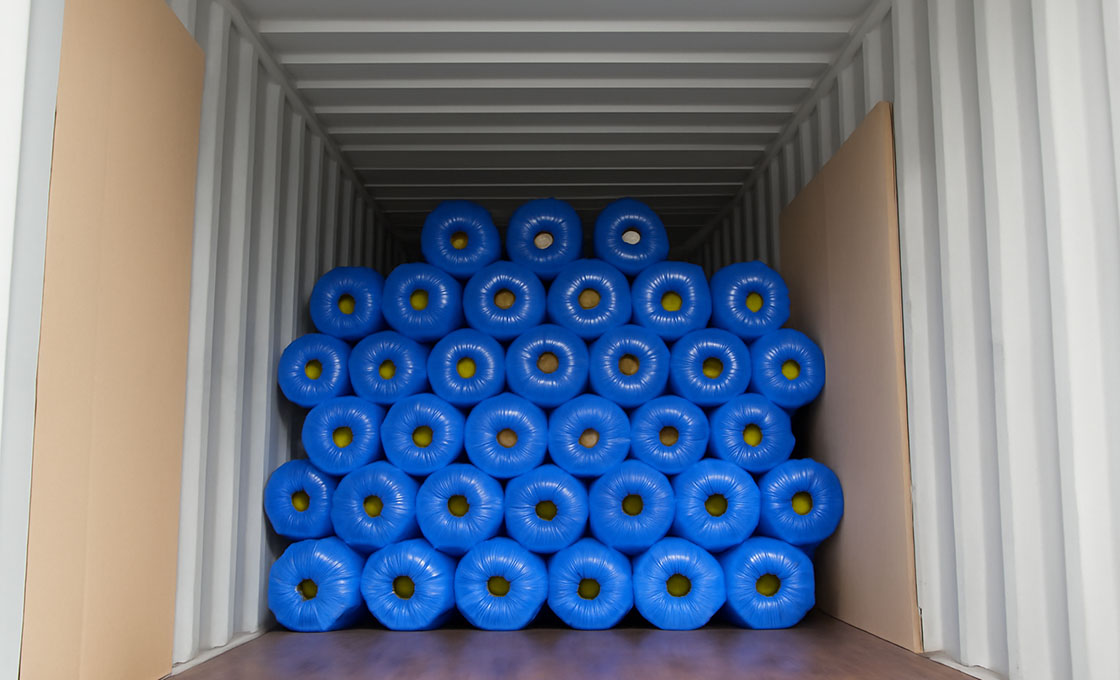
Determining which artificial turf models can ship together efficiently requires a strategic approach based on material properties and physical dimensions. When planning mixed-model container shipments, proper assessment of compatibility factors can maximize space utilization while minimizing damage risks. This practical knowledge helps project managers reduce shipping costs without compromising product integrity.
“Successful mixed container shipping of artificial turf requires careful analysis of material properties, dimensional considerations, and proper loading techniques to ensure products arrive in perfect condition.”
Critical Technical Specifications for Turf Compatibility
When evaluating artificial turf models for combined shipping, several technical specifications deserve priority attention. Backing material composition stands as perhaps the most critical factor. Latex-backed products should generally be grouped together, separate from polyurethane-backed varieties, to prevent potential chemical interactions during transit.
Pile height represents another crucial compatibility factor. The vertical difference between turf models should ideally remain within 30% to create stable stacking surfaces. Products with dramatically different pile heights create unstable load patterns that risk shifting during ocean transport, potentially causing edge damage or deformation.
Roll weight density variations must be carefully managed. Heavier products with densities exceeding 65 oz/yd² should form the foundation layer, while lighter varieties can “ride shotgun” on top. This weight distribution creates a naturally stable load that resists shifting even during rough sea conditions.
Organizing Different Roll Widths for Maximum Efficiency
Strategic organization of varying roll widths can significantly improve container utilization. The standard approach places wider rolls (15-foot) as the foundation layer across the container width. Narrower rolls (12-foot and 6-foot) can then be combined in the next layer to match the width of rolls beneath them.
For optimal stability, rolls should be oriented in alternating directions between layers when possible. This cross-hatching technique creates natural resistance to shifting. Standardizing roll lengths across different models also improves stacking efficiency, as inconsistent roll lengths create problematic void spaces.
Compatibility Testing Methods for Turf Models
| Test Method | What It Evaluates | Implementation Cost | Reliability Rating | Time Required |
|---|---|---|---|---|
| Material Friction Test | Backing-to-Backing Slippage | $250-450 | High (92%) | 48 Hours |
| Compression Stack Test | Pile Height Recovery | $300-600 | Very High (97%) | 72 Hours |
| Chemical Compatibility Analysis | Backing Material Interaction | $750-1,200 | High (95%) | 5-7 Days |
| Mini-Load Simulation | Stacking Stability | $500-800 | Medium (85%) | 24 Hours |
| Temperature Cycle Test | Expansion/Contraction Differences | $650-900 | High (90%) | 72 Hours |
Before committing to full-scale mixed shipments, conducting compatibility tests with sample materials provides valuable risk reduction. Small-scale stacking tests using 3-foot sections can identify potential compression or deformation issues. Accelerated climate testing—exposing combined samples to temperature cycles between 40-120°F—reveals potential expansion/contraction conflicts.
Friction testing between different backing materials identifies slippage risks that could lead to load shifting. This simple test involves placing samples atop each other on an inclined surface and measuring the angle at which slippage occurs. Angles below 20° indicate high risk, while angles above 35° suggest good stability.
The most compatible artificial turf combinations typically share similar backing materials while offering complementary dimensional characteristics. Landscape turf (1.75″ pile) and sports field turf (2″ pile) often ship well together due to their similar physical properties despite different applications. Products from the same manufacturing generation usually demonstrate better compatibility than those from different production eras.
What Logistics Strategies Maximize Mixed Turf Shipments?
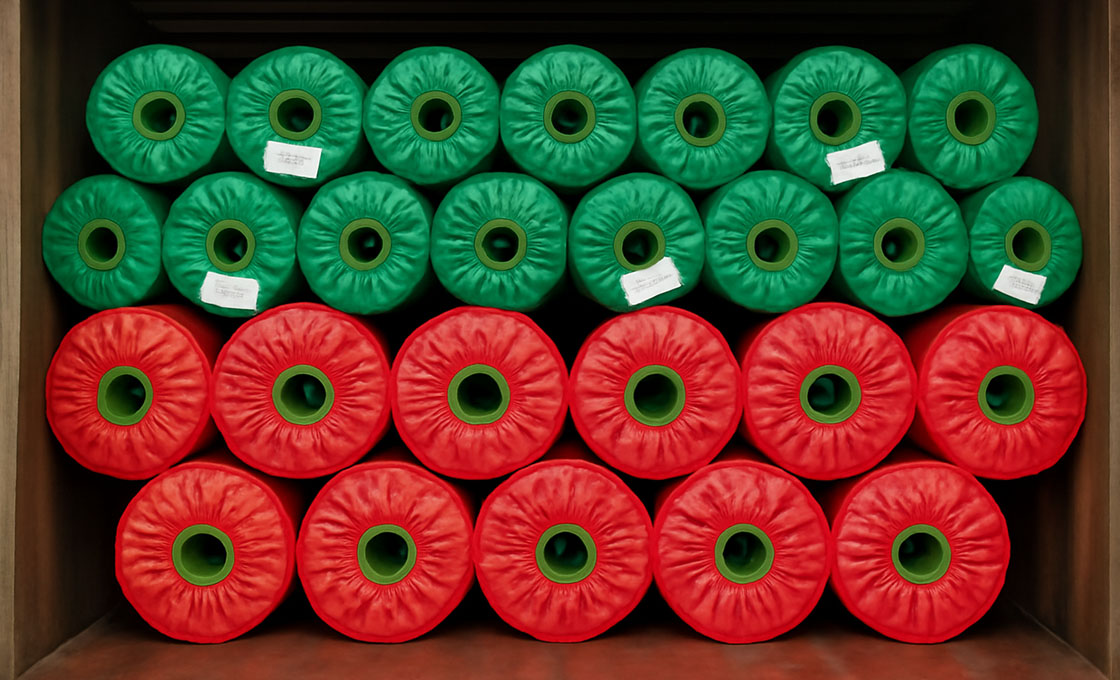
When shipping multiple artificial turf models in a single container, strategic logistics planning becomes essential for protecting your investment and maximizing efficiency. The proper organization of different turf varieties can dramatically impact transportation costs, product integrity, and delivery timelines. By implementing targeted logistics strategies, you can optimize mixed shipments while ensuring all products arrive in pristine condition.
“Effective mixed turf shipping requires strategic weight distribution, proper load sequencing, and appropriate container selection to maximize space utilization while minimizing transportation costs.”
Strategic Weight Distribution for Mixed Turf Models
Proper weight distribution forms the foundation of successful mixed turf shipments. When combining lightweight landscape turf with heavier sports field varieties, always position the heaviest artificial turf models at the container bottom and center. This creates a lower center of gravity, reducing the risk of load shifts during transit across rough seas or bumpy roads.
Distribute weight evenly across the container floor, aiming for no more than a 10% weight differential between the front and rear halves. Uneven distribution can create handling challenges during loading and unloading operations. For intermodal shipments involving rail transport, this balance becomes even more critical due to acceleration and braking forces.
When combining turf models with significantly different densities, consider using load separators or dividers to prevent compression damage. These simple tools create distinct zones within the container while maintaining overall load stability. This approach is particularly valuable when shipping “bread and butter” products alongside specialty turf varieties.
Ideal Loading Sequence for Mixed Turf Shipments
The loading sequence significantly impacts both space utilization and product protection. Start by loading larger, uniform rolls that create a stable foundation layer. These anchor rolls should ideally be of similar length and the most durable models in your shipment. Position them perpendicular to the container’s length for maximum stability.
After establishing the base layer, introduce medium-sized rolls in the middle layers, taking care to fill gaps without creating unstable projections. The uppermost layer should contain your lightest and most delicate artificial turf models, protected from compression by the structure below. This pyramid-based approach maximizes container space while providing natural protection for more vulnerable products.
Container Size Optimization for Turf Combinations
| Container Size | Optimal Turf Combinations | Max Capacity (sq ft) | Ideal Roll Counts | Cost Efficiency Rating |
|---|---|---|---|---|
| 20′ Standard | Same-Width Models | 5,200 | 8-12 Rolls | Medium (76%) |
| 40′ Standard | Mixed Residential Models | 10,800 | 15-25 Rolls | High (88%) |
| 40′ High Cube | Mixed Sports/Landscape | 12,500 | 18-30 Rolls | Very High (92%) |
| 45′ High Cube | Full Product Range Mix | 14,200 | 22-36 Rolls | Highest (95%) |
| 20′ Open Top | Specialty/Oversized Models | 4,800 | 6-10 Rolls | Low (68%) |
Container selection directly influences your shipment economics. For diverse artificial turf models with different widths, 40-foot high-cube containers typically offer the best balance of space and cost-efficiency. Their additional height accommodates varying roll diameters without wasting valuable space. For shipments mixing standard residential products, standard 40-foot containers usually provide sufficient capacity.
High-volume projects incorporating multiple turf types benefit from 45-foot containers, which offer approximately a 15% capacity increase over standard 40-foot units. This size works particularly well when combining sports field turf with landscape varieties, as the additional space facilitates better segregation between product types.
Inventory management during transit requires meticulous documentation and tracking. Implement a clear identification system with color-coded tags for different artificial turf models, including detailed specifications on each tag. Digital tracking systems with RFID technology provide real-time visibility into mixed shipments, allowing quick identification of specific products without extensive unpacking.
Are There Real Project Benefits to Mixed-Model Turf Orders?
The strategic use of multiple artificial turf models in a single project can deliver substantial benefits beyond mere aesthetic variety. When properly implemented, combining different turf types addresses specific functional needs while potentially reducing costs and simplifying logistics. This approach has gained traction among project managers seeking to optimize performance across varied usage zones without compromising quality or budget constraints.
“Combining different artificial turf models in a single project can provide up to 30% cost savings while enabling performance optimization for specific usage zones and activities.”
Financial Advantages of Mixed Turf Model Projects
Mixed-model turf orders make the strongest financial sense for large-scale projects with diverse usage requirements. Sports complexes that combine competition fields with practice areas and surrounding landscape zones can leverage high-performance turf only where needed, using more economical varieties in peripheral areas. This targeted approach typically yields 15-25% overall project savings compared to using premium turf throughout.
Educational facilities benefit particularly from this approach. A typical school installation might use FIFA-quality turf for the main field while employing more durable, lower-cost models for high-traffic practice zones and gentler landscape turf for campus common areas. This strategic allocation maximizes the performance-to-cost ratio across the entire property.
The consolidated shipping of diverse artificial turf models delivers additional savings. By reaching full container capacity through model combinations, projects can reduce per-square-foot shipping costs by 20-35%. This approach is particularly valuable for “turnkey” installations where multiple zones require distinct performance characteristics but share installation timelines.
Projects That Benefit Most from Turf Model Combinations
Multi-purpose sports facilities demonstrate perhaps the clearest advantages of mixed turf installations. Different playing surfaces require specific performance characteristics – baseball outfields need different turf than soccer fields, while surrounding walkways benefit from landscape-oriented products. Combining these models in a unified design creates optimal playing conditions throughout the facility.
Commercial landscape projects with varied usage zones also benefit significantly. Office complexes frequently combine durable, high-traffic turf near entrances with softer, more natural-appearing varieties in recreational areas. This practical approach ensures each space receives appropriately engineered turf for its specific purpose and traffic patterns.
Documented Benefits of Mixed Turf Model Projects
| Project Type | Models Combined | Cost Savings | Performance Improvement | Maintenance Impact |
|---|---|---|---|---|
| K-12 Athletic Complex | Field/Landscape/Play | 22% | Sport-Specific +15% | Reduced by 18% |
| Municipal Parks | High-Traffic/Play/Landscape | 28% | Zone-Optimized +12% | Reduced by 25% |
| Commercial Campus | Entrance/Common Area/Border | 19% | Usage-Specific +8% | Reduced by 14% |
| Multi-Sport Facility | Baseball/Soccer/Track/Landscape | 31% | Sport-Specific +24% | Reduced by 22% |
| Golf Facility | Putting/Fringe/Landscape | 35% | Play-Specific +29% | Reduced by 31% |
Unexpected advantages frequently emerge when clients implement mixed turf solutions. Many report significant maintenance cost reductions through the strategic placement of specialized models where they’re most effective. For example, high-traffic areas with appropriate high-durability turf require less frequent replacement, while specialized sports surfaces maintain performance longer when not subjected to inappropriate use.
Water conservation benefits often exceed expectations in mixed installations. By matching turf types to microclimates within large properties, overall irrigation requirements can decrease by 15-30% compared to single-model approaches. This arises from being able to place more drought-resistant varieties in sun-exposed areas while using different models in shaded zones.
Efficient installation planning for multiple turf varieties requires clear zone demarcation and sequential workflows. The most successful approach typically involves completing one turf type entirely before transitioning to the next, rather than attempting parallel installation. This methodology minimizes cross-contamination of infill materials and reduces the complexity of equipment adjustments between different turf types.
Conclusion
Mixing artificial turf models in a single container offers clear logistical and financial advantages—when done strategically. The key lies in understanding material compatibility, weight distribution, and proper stacking techniques to ensure your shipment arrives intact while maximizing container space.
As projects increasingly require diverse turf solutions, mastering mixed-model shipping becomes a competitive advantage. The potential 20-30% cost savings and reduced environmental impact make this approach worth considering for any large-scale turf project with varied requirements.
For businesses ready to explore these solutions, finding a partner who understands turf compatibility is key. At Relyir Artificial Grass, our focus is on providing customizable turf solutions that ship efficiently—helping you optimize costs without compromising quality.
Frequently Asked Questions
-
Q: What should I consider when selecting different turf models for mixing in a shipment?
A: When selecting turf models for mixing in a shipment, consider compatibility in terms of material properties, such as pile height, density, and backing material. Different models can have variations that may affect their ability to be shipped together without compromising quality or performance upon installation.
-
Q: How do I ensure the safe transport of mixed artificial turf models?
A: To ensure the safe transport of mixed artificial turf models, organize them by roll width and distribute weight evenly within the container. Mixed sizes should be strategically stacked to avoid damage during transit, and it’s essential to maintain a balance between lightweight and heavier turf varieties.
-
Q: Can mixing artificial turf models lead to cost savings on transportation?
A: Yes, mixing different artificial turf models in one shipment can lead to significant cost savings on transportation. By maximizing container space and reducing the number of shipments, buyers can decrease per-unit freight costs, especially for international deliveries.
-
Q: What are the potential challenges of mixing different turf models?
A: The potential challenges of mixing different turf models include possible issues with material compatibility, which can lead to installation difficulties, and the risk of damage during transport if not properly loaded. Additionally, ensuring visual consistency and performance across different turf varieties can require careful selection.
-
Q: How can I verify the compatibility of different turf models before placing an order?
A: You can verify compatibility by requesting samples of the different turf models and comparing their colors, textures, and performance characteristics. This will help you assess whether they will work well together after installation and ensure they meet your project’s aesthetics and functionality.
-
Q: What logistic strategies can optimize mixed turf shipments?
A: To optimize mixed turf shipments, employ strategies such as consolidating orders to minimize shipping frequency, utilizing appropriate container sizes for the specific combination of turf models, and tracking shipments effectively to manage delivery schedules and ensure timely arrivals.
-
Q: Are there specific applications where mixing turf models is particularly beneficial?
A: Yes, mixing turf models can be particularly beneficial in projects that require a combination of aesthetic and functional characteristics, such as landscaped areas that need different textures for visual appeal or sports facilities that require varied performance levels for different zones.
-
Q: What are the typical shipping sizes for artificial turf, and how do they impact mixing?
A: Artificial turf is typically shipped in various roll sizes, commonly 2m, 4m, and 5m widths. The choice of size affects how you can mix different models; for example, properly assessing the dimensions ensures efficient stacking and helps avoid wastage, thus impacting the overall cost-efficiency of the shipment.